
Visual storytelling relies on a silent language understood by audiences worldwide. This language is not spoken with words, but crafted through the meticulous selection of camera angles and shot types.
Every time a director chooses to move the camera closer, tilt it upward, or pull focus, they are making a deliberate psychological choice that influences how we perceive a character's power, emotional state, or relationship to their environment.
Whether you are a budding filmmaker, a content creator, or simply a passionate cinephile, understanding this visual grammar is the key to unlocking the true depth of cinematic narrative.
What is a camera shot?
A camera shot is composed of a series of frames that are shot uninterrupted from the moment the camera starts rolling until it stops.
Camera angles and shot types are essential aspects of filmmaking and video production, because by combining different types of shots, angles, and camera movements, filmmakers are able to emphasize specific emotions, ideas, and movement for each scene.
Shot size is the foundation of shot selection, but it does not work alone. It is the combination of shot size, camera angle, framing, camera movement, lens choice, focal length, composition, and depth of field that shapes an audience’s perception.
In this article, we will break down the fundamental camera shots and angles you need to understand to elevate your cinematic storytelling.
Types of camera shot sizes
Different shot type sizes dictate how large or small a subject appears within the frame. This fundamental cinematography choice helps establish spatial relationships, setting context and guiding the emotional distance for viewers.
Extreme wide shot (EWS)
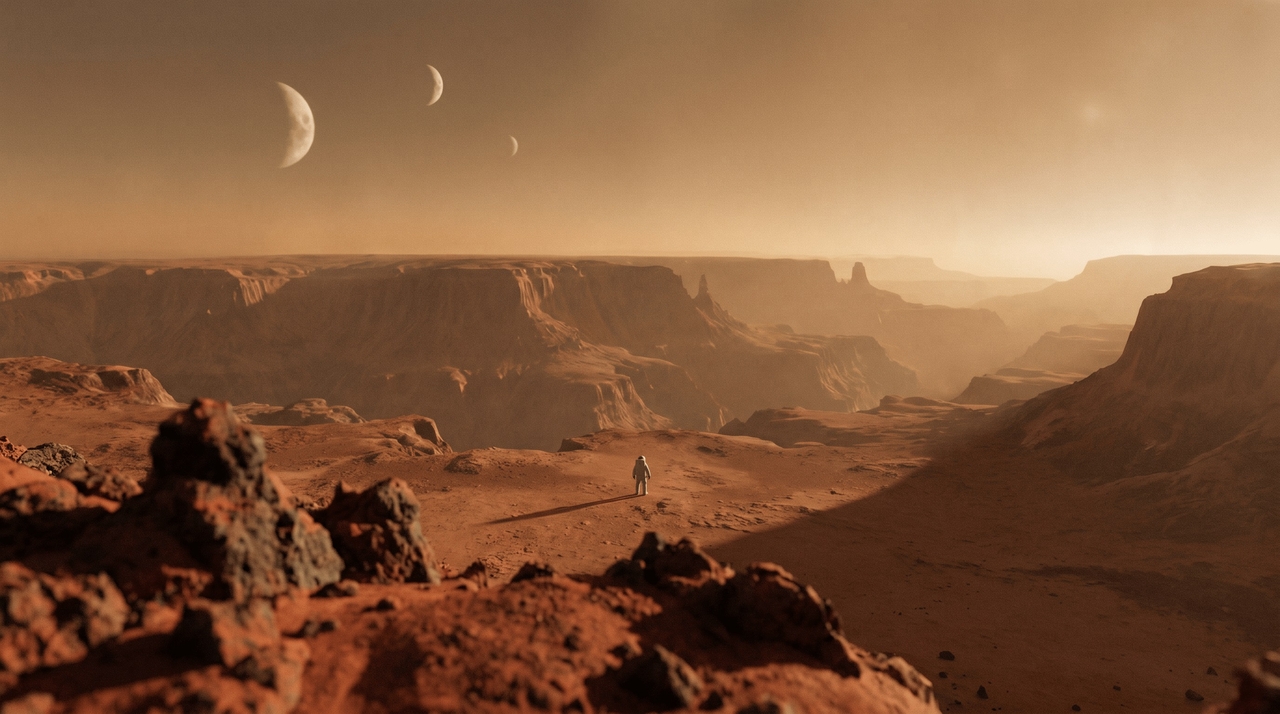
An extreme wide shot makes your subject appear incredibly small against their surrounding location. You can use an extremely long shot to make your subject feel distant, isolated, or unfamiliar. Practically speaking, it is a powerful way to establish a grand setting, allowing the environment to become a character itself.
Wide shot (WS)
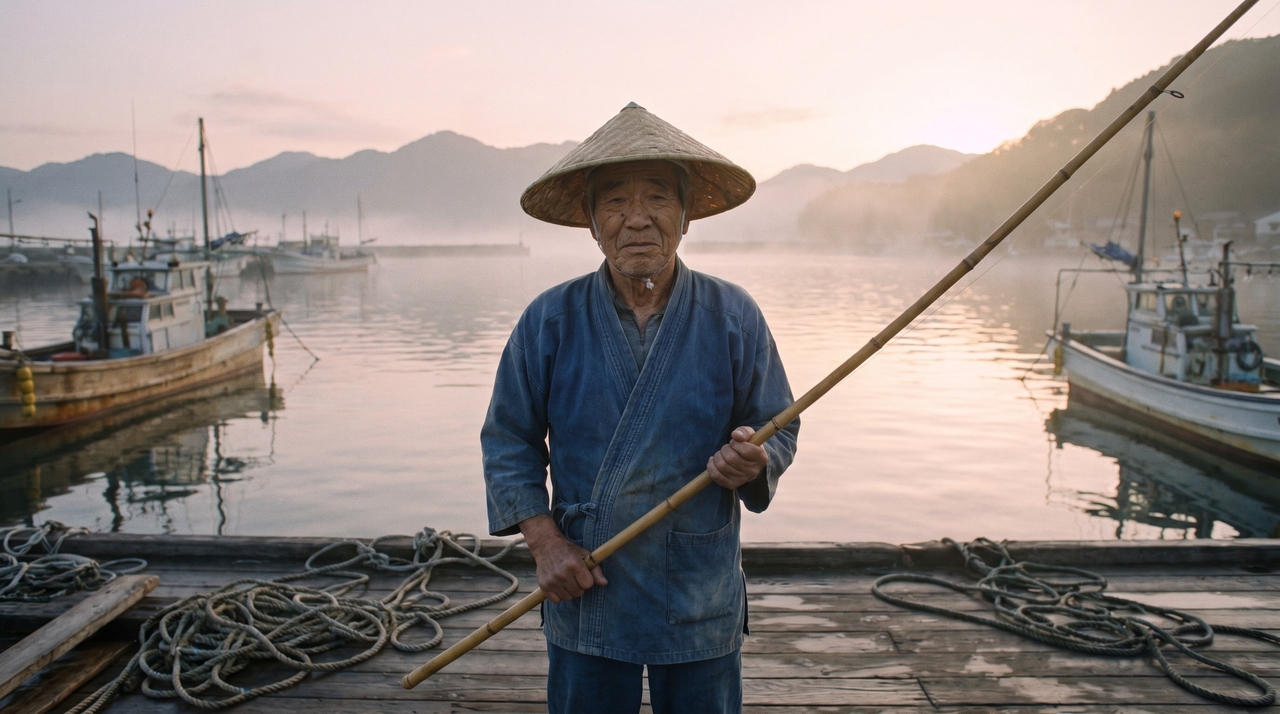
The wide shot is similar to an extreme wide shot but positions the camera a bit closer. If your subject is a person, their entire body will be clearly in view, though not entirely filling the frame. It keeps the subject in plain view amidst their grander film surroundings.
Full shot (FS)
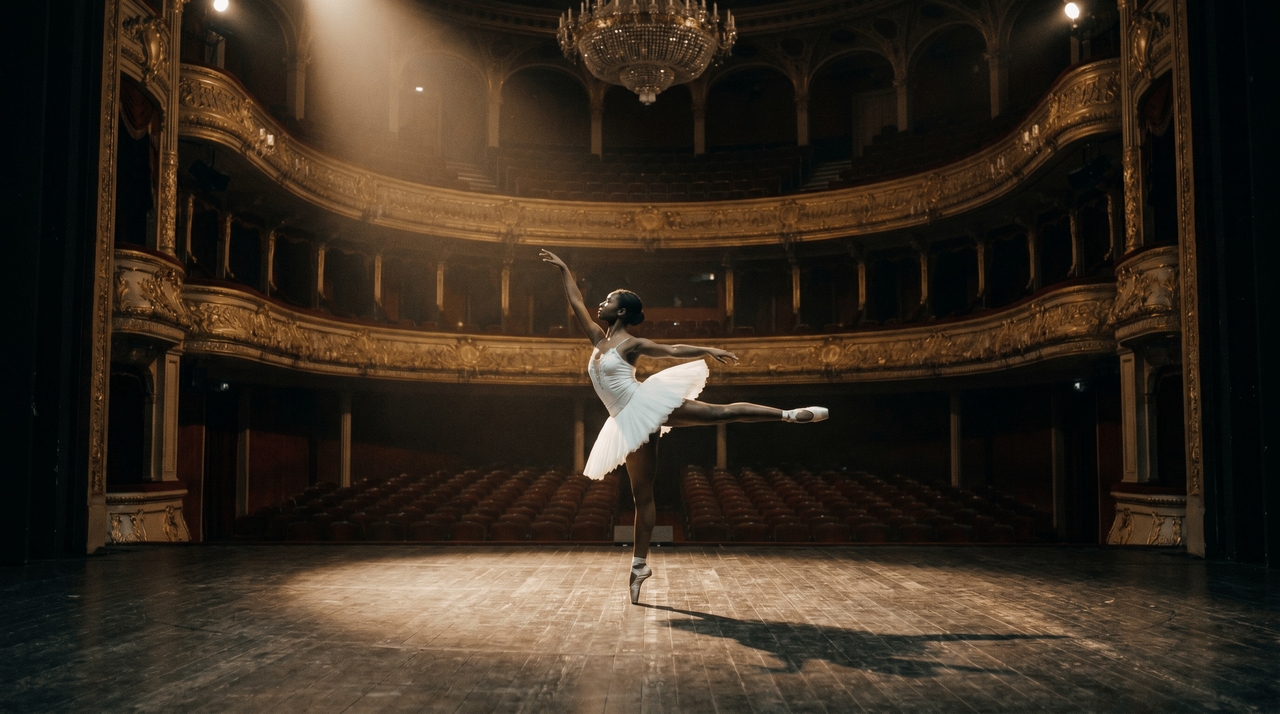
A full film shot type is a camera technique that lets your subject fill the frame completely from head to toe while still keeping some emphasis on the background scenery. Full shots can be effectively used to feature multiple characters in a single frame, highlighting their physical actions and immediate spatial surroundings.
Medium shot (MS)
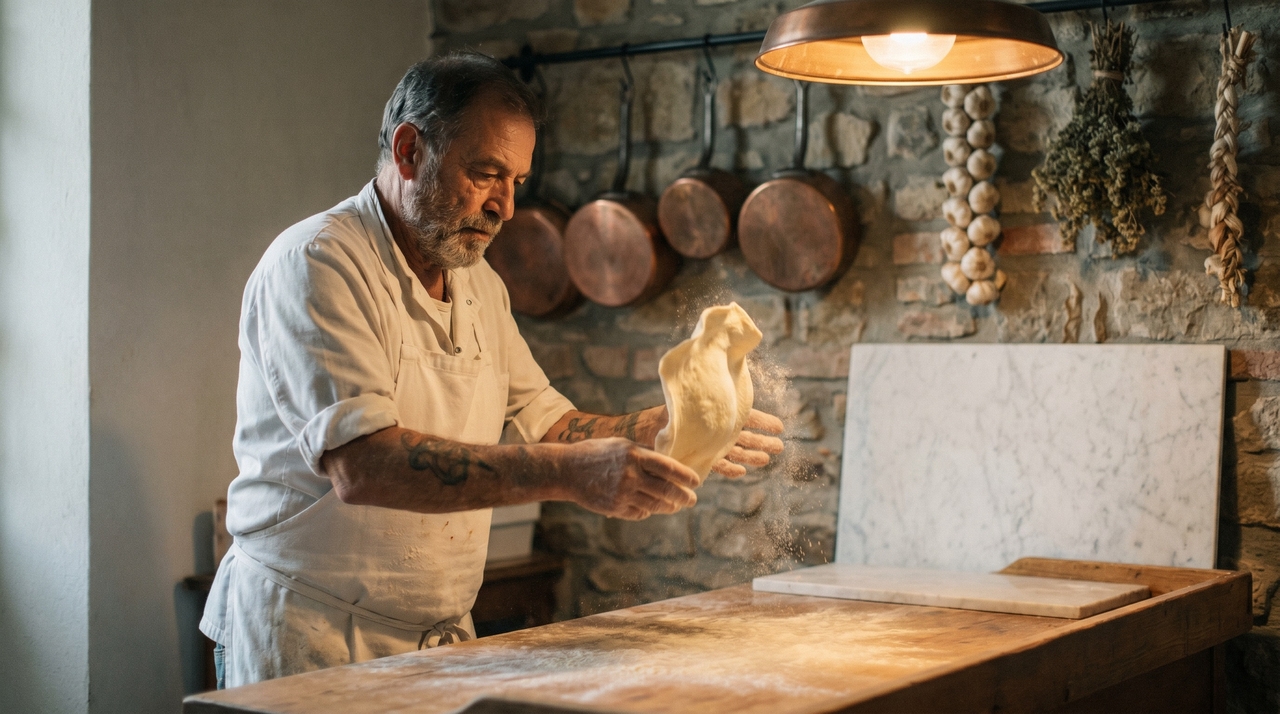
The medium shot is one of the most versatile types of cinematic shots available to modern filmmakers. It generally frames the subject from roughly the waist up and through the torso. This emphasizes the subject's expressions and body language while keeping their immediate environment visible, making it ideal for standard dialogue scenes.
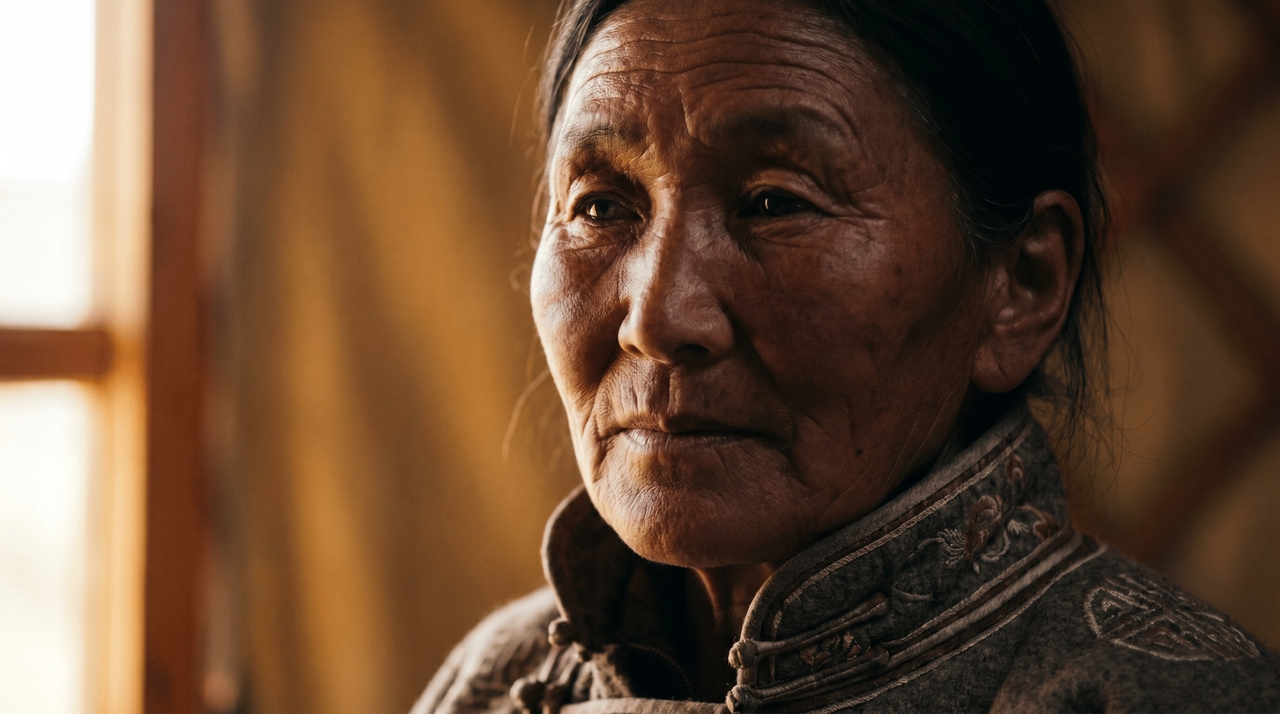
Close up (CU)
You know it is time for a close up when you want to intimately reveal a subject’s innermost emotions and reactions. This camera shot tightly fills your frame with a specific part of your subject, often their face. It efficiently registers tiny emotional shifts without losing vital overall character connection.
Types of camera framing shots
Camera shot framing is the meticulous art of placing subjects within your visual composition. Rather than just pointing the camera, shot framing calls upon the artist to intentionally construct images.
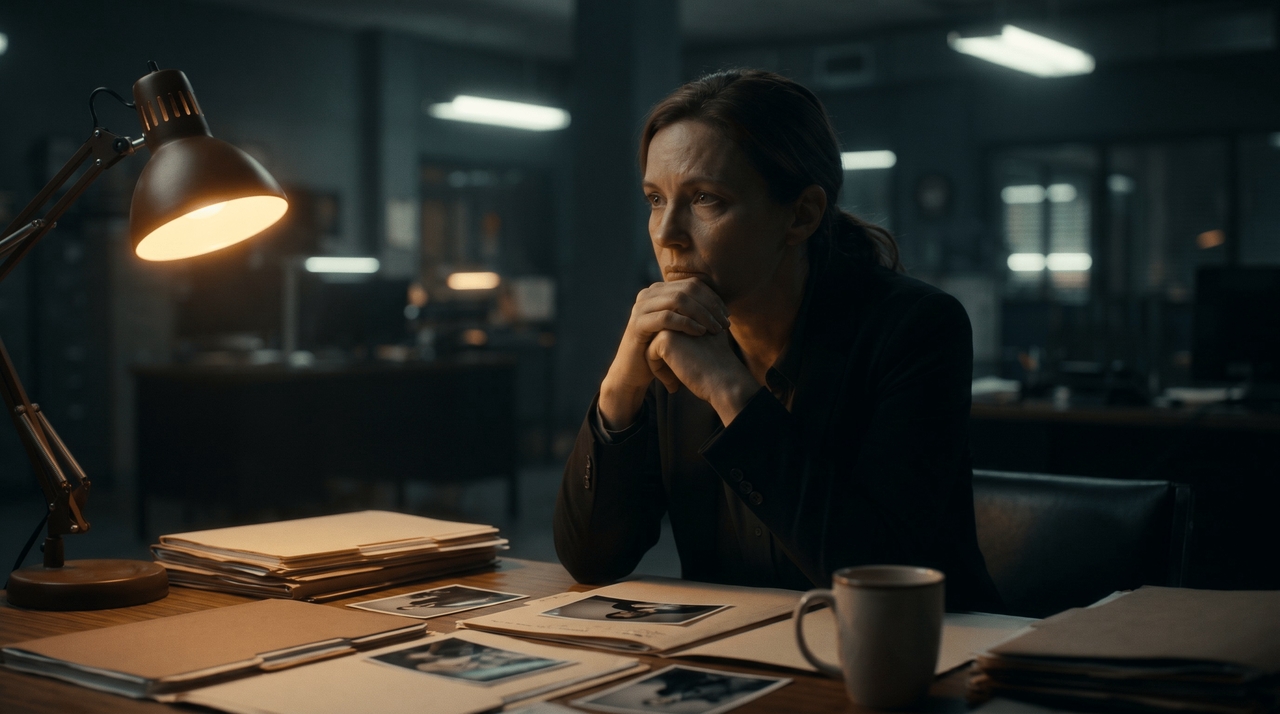
Single shot
A single shot deliberately features only one active subject at a time. Singles can be set and framed in absolutely any shot size you like, just as long as there is strictly one character featured as the primary focal point within the frame during the scene's core emotional dialogue beats.
Two shot
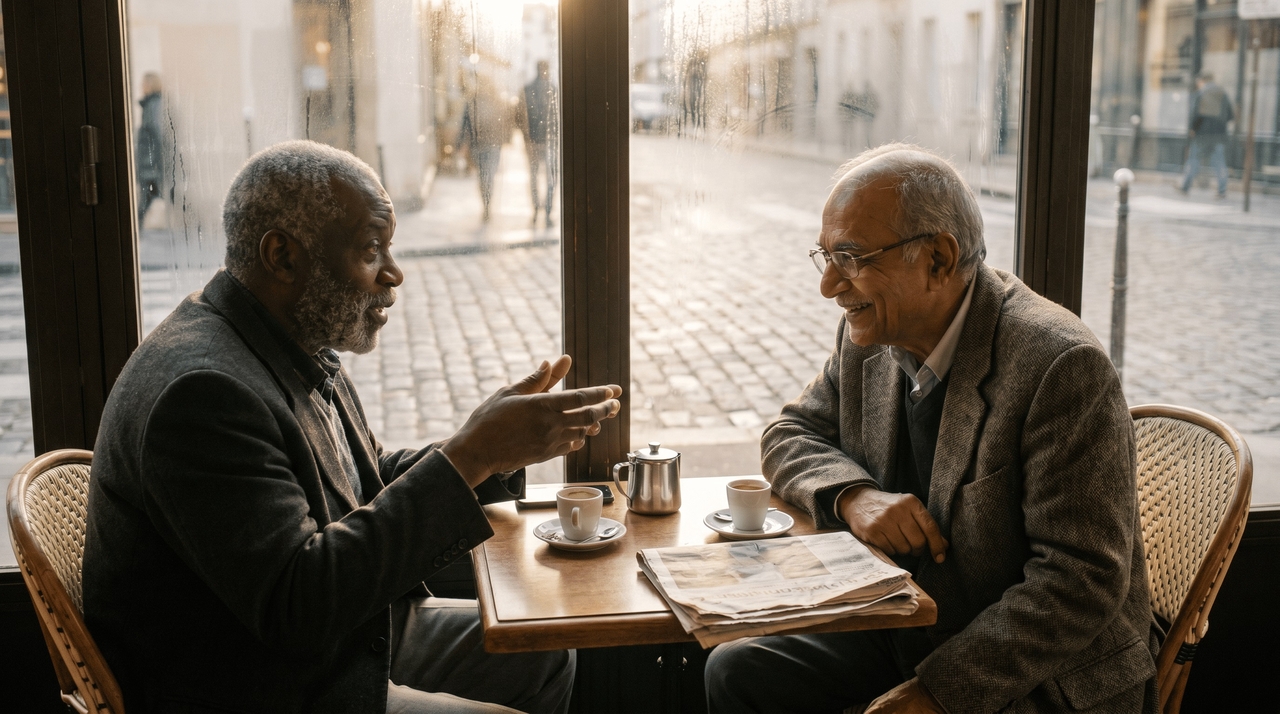
A two shot is a classic cinematic camera technique that explicitly frames two distinct characters together within the exact same camera shot. Two shots are incredibly useful for naturally allowing performances to play out in a single uninterrupted take, showcasing the direct relationship and dynamic interaction between the two key people.
Three shot
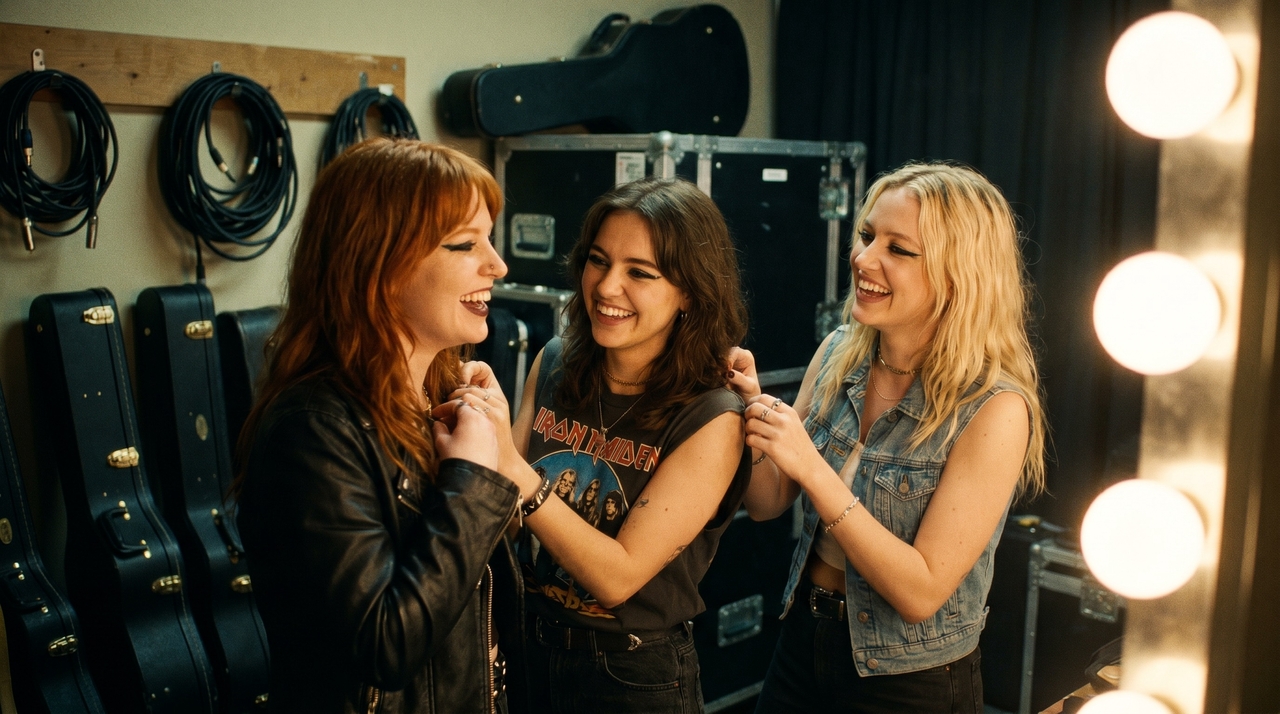
Following the same logical pattern, a three shot features three separate characters seamlessly sharing the same framing composition. These shots are crucial in ensemble films or complex dialogue scenes, helping to efficiently establish the spatial geography and character dynamics of a group without constantly cutting between various isolated human individuals.
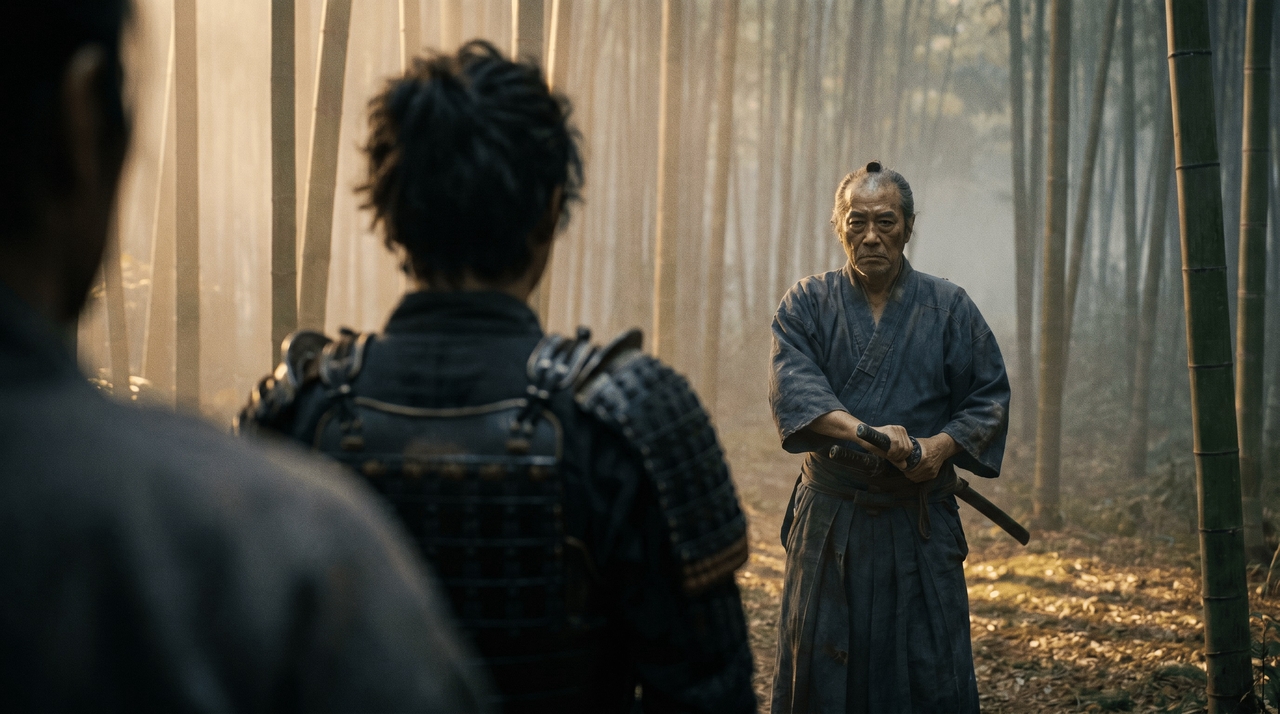
Over the shoulder shot (OTS)
An over the shoulder shot frames the primary subject from squarely behind the shoulder of another character. This powerful technique helps physically establish the line of sight and relative position between two conversing characters, anchoring the viewer seamlessly within the perspective of the ongoing conversation and heightening basic spatial awareness.
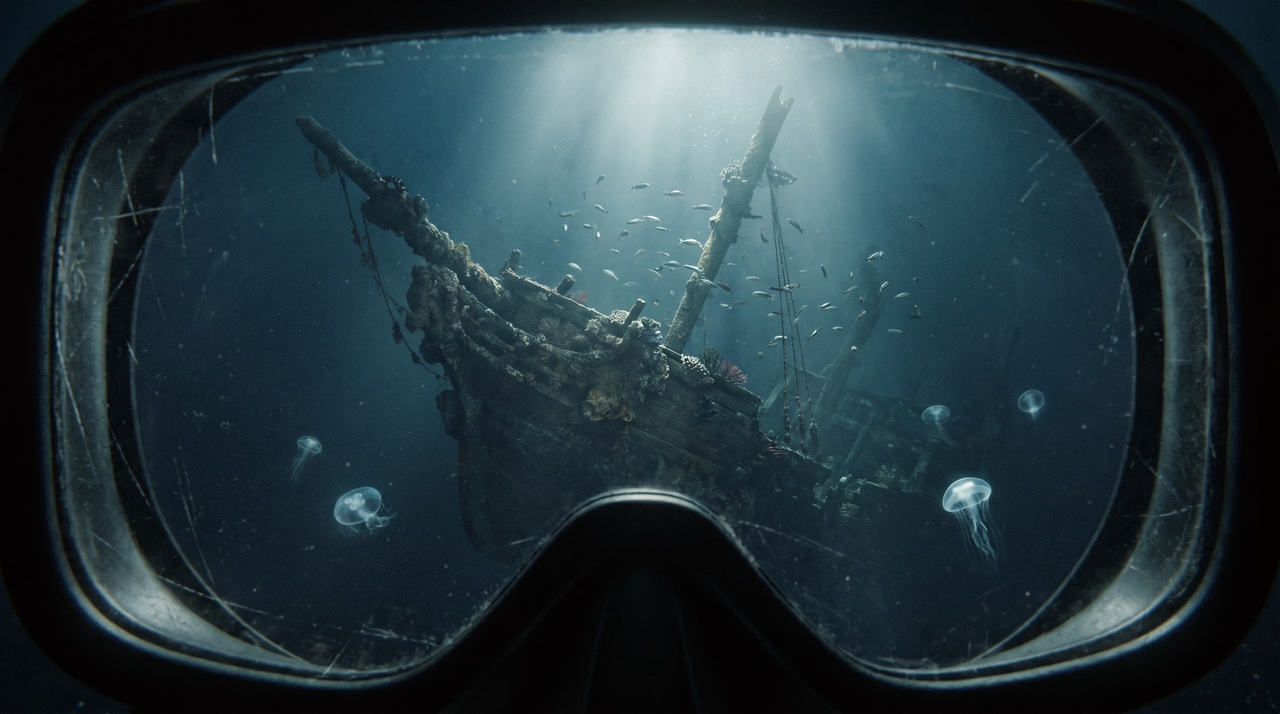
Point of view shot (POV)
A point of view shot is strategically designed to perfectly mirror what a specific character is seeing through their own eyes. By placing the viewer directly inside the character’s literal perspective, a POV shot drastically increases audience immersion, forging a strong empathetic bond and deep psychological connection with the subject.
Types of camera angles and shots
The camera shot angle specifies the precise physical location where the camera is placed relative to the subject. This strategic positioning fundamentally alters how the audience perceives scene power dynamics.
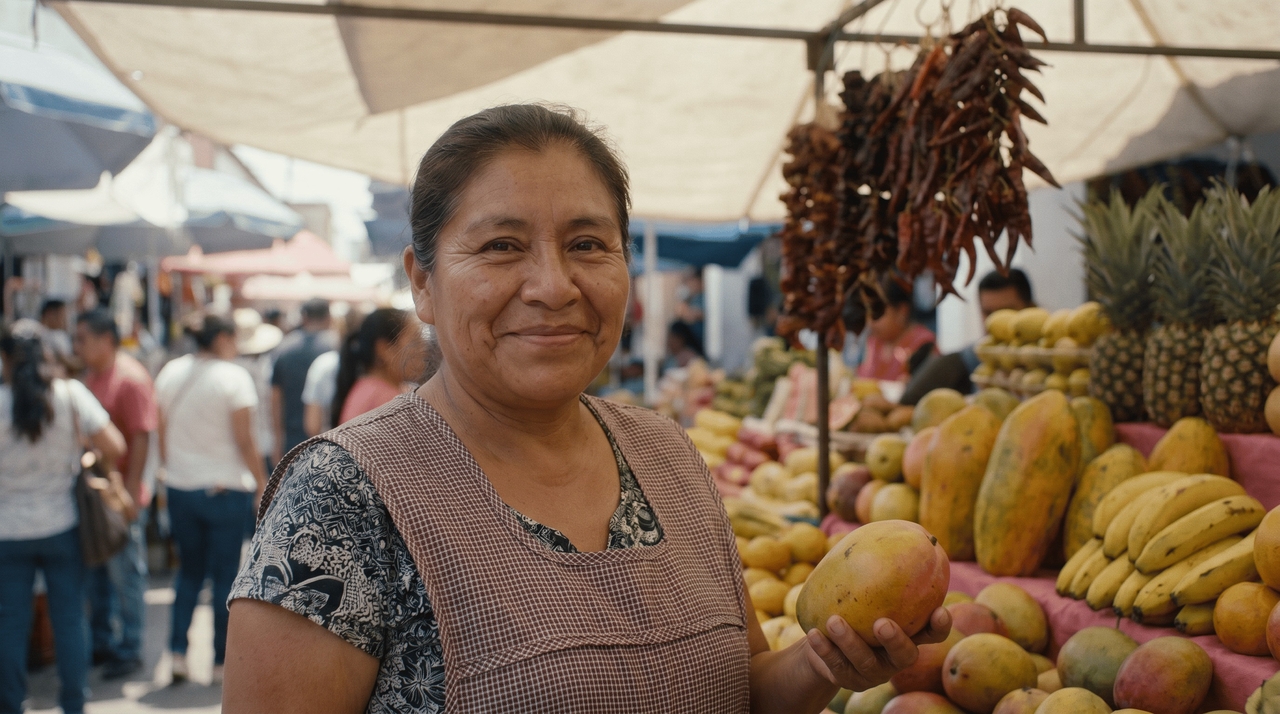
Eye level shot
The eye level camera shot type places the camera precisely at the subject's natural eye level. This creates a remarkably neutral, deeply relatable perspective that closely mimics how humans normally view the real world. It avoids imposing any artificial psychological judgment, making the audience feel directly connected to the character's honest reality.
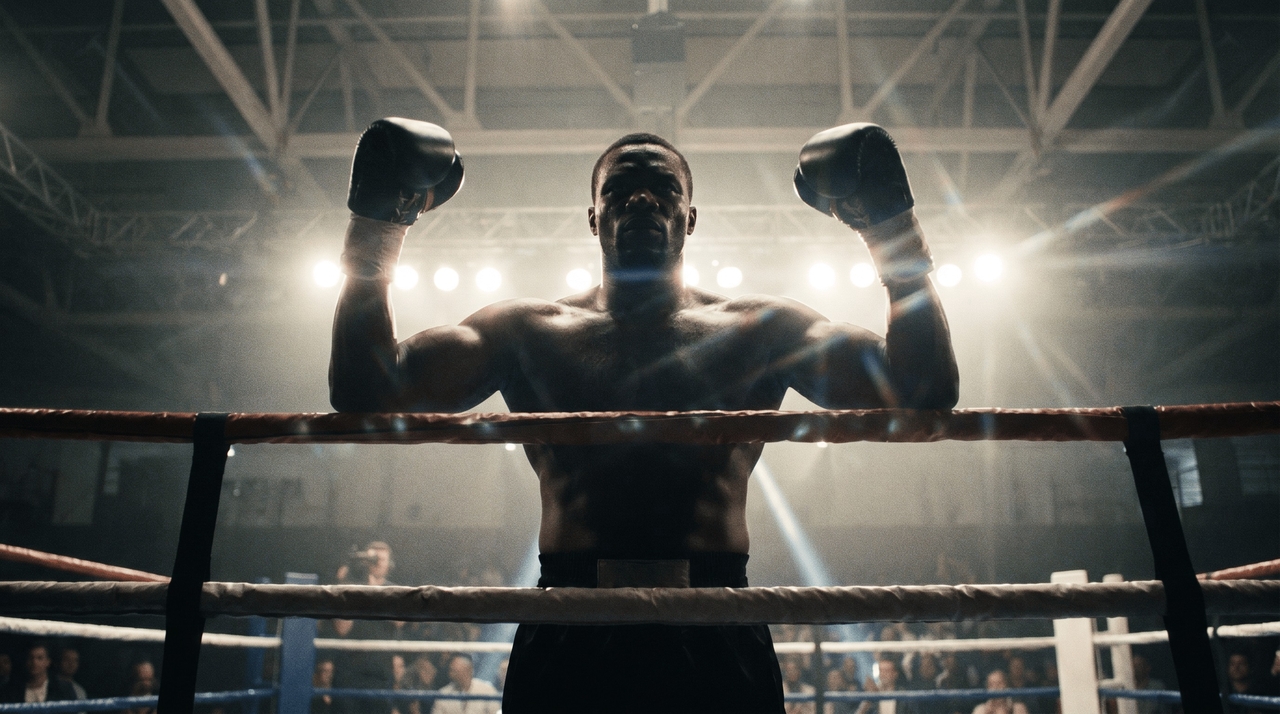
Low angle shot
A low angle shot positions the camera substantially below the subject’s natural eye level, pointing firmly upward. This specific cinematic technique subtly manipulates audience perception by making the subject appear significantly more powerful, highly dominant, visually imposing, or even dangerously threatening within the context of the film's complex narrative structure.
High angle shot
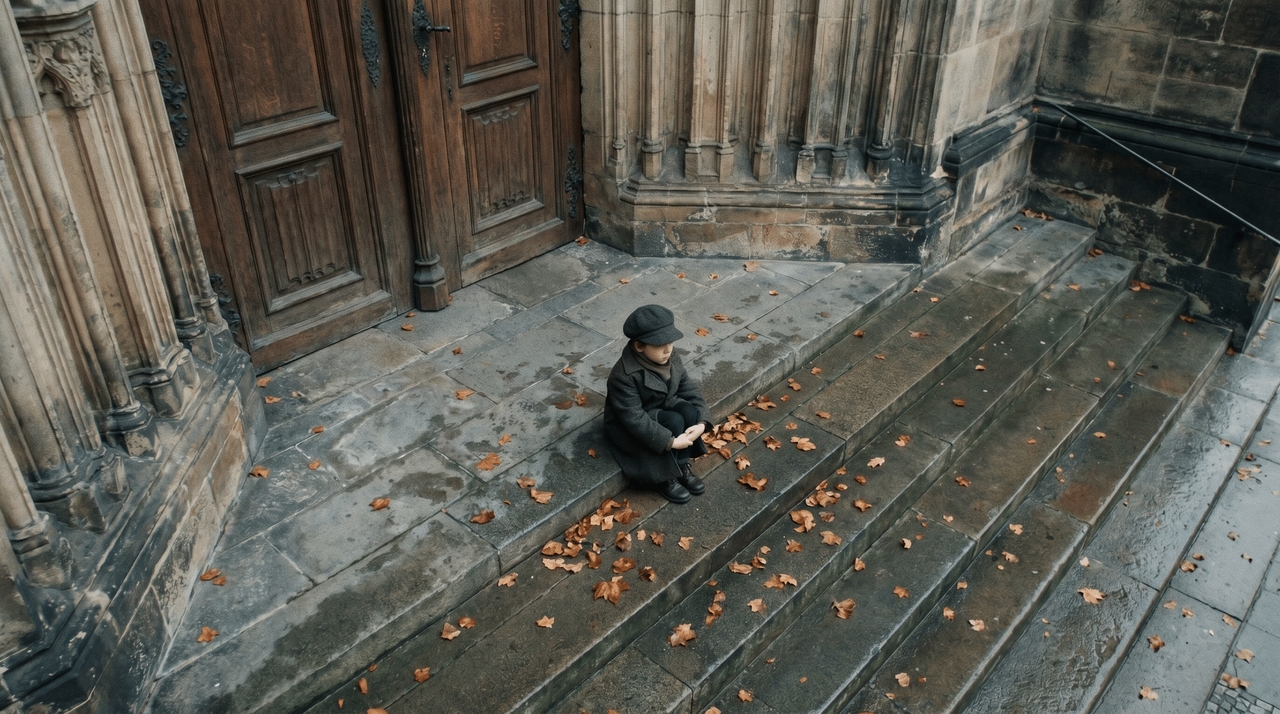
Conversely, a high angle shot places the camera physically above the subject, aiming downward. This deliberate framing choice frequently makes the subject appear notably smaller, emotionally vulnerable, physically weak, or tragically insignificant. It is a highly effective way to visually communicate a character’s sudden loss of control and overwhelming despair.
Dutch angle shot
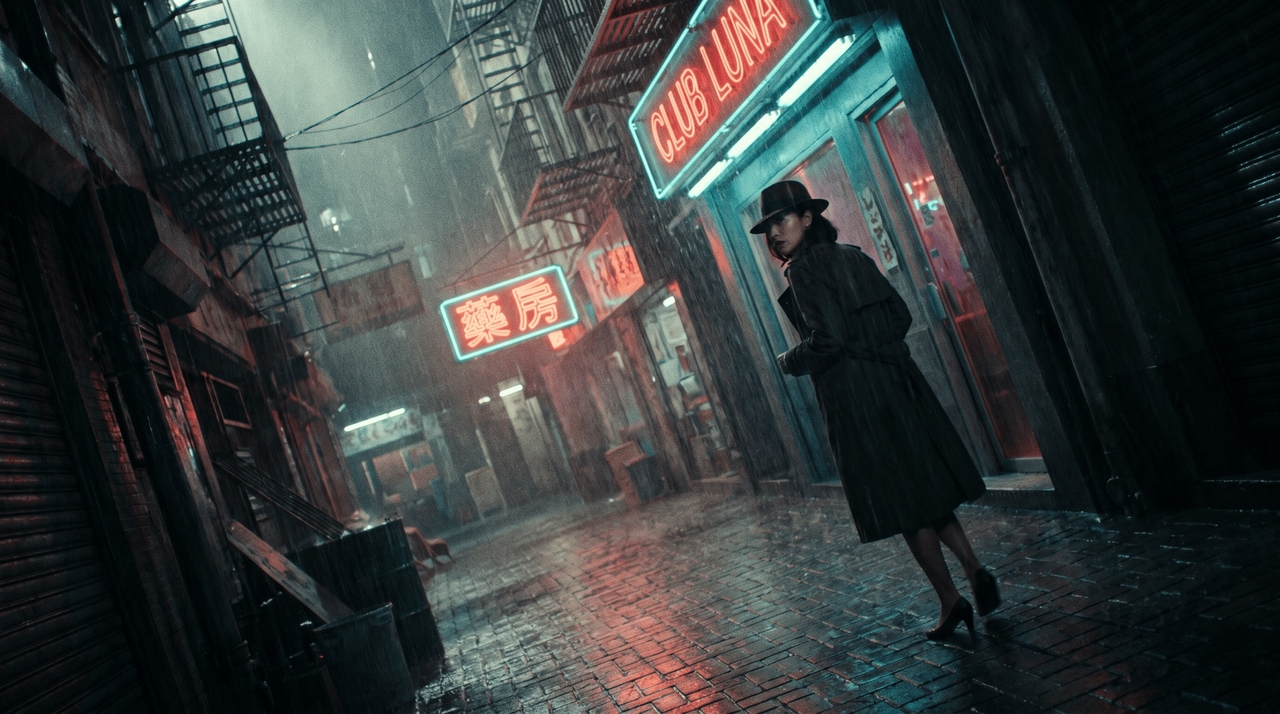
A Dutch angle shot intentionally tilts the camera physically to one side, completely skewing the natural horizon line. This highly stylized technique immediately creates a profound sense of intense psychological unease, extreme disorientation, or growing frantic tension, visually signaling to the audience that something is fundamentally wrong and deeply unstable.
Overhead shot
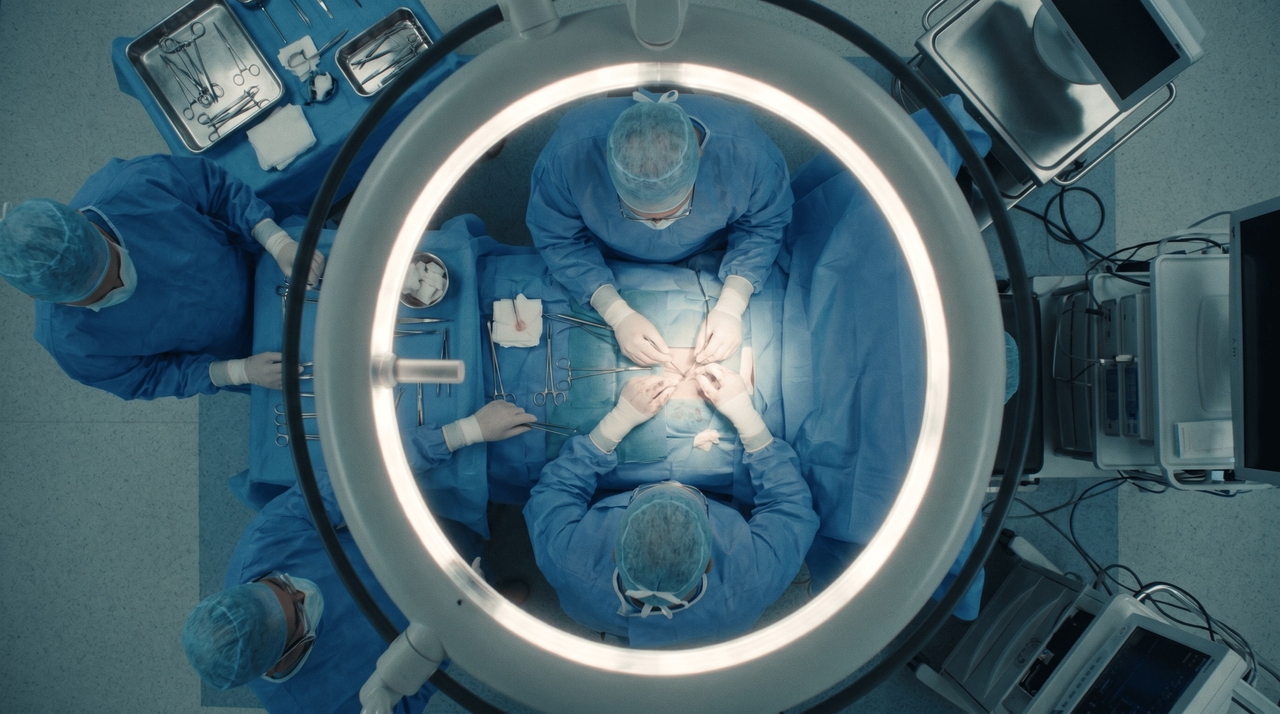
An overhead shot, occasionally called a bird’s eye view, captures the subject from directly above, looking straight down. This unique, detached perspective offers a comprehensive, almost omniscient view of the physical environment, emphasizing complex spatial relationships, intricate blocking patterns, or the subject's extreme isolation within a massive, overwhelming geographical landscape.
Types of camera movements
Camera movement adds kinetic energy and narrative rhythm to a sequence. By dynamically shifting the visual frame during a continuous take, filmmakers can seamlessly reveal crucial information and heighten cinematic tension.
Pan shot
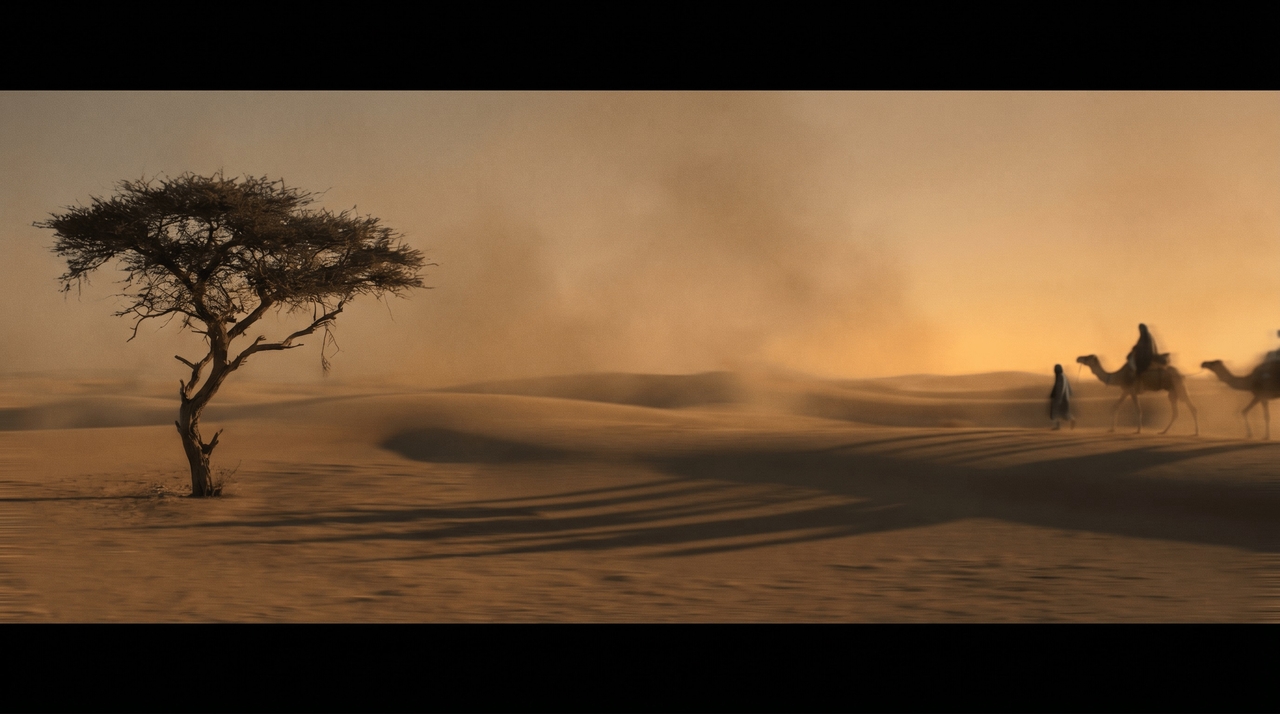
A pan shot occurs when the stationary camera slowly rotates horizontally from left to right, or vice versa, on a fixed axis. Panning is routinely used to naturally follow a moving subject, smoothly reveal a sprawling landscape, or dynamically connect two dramatically significant elements seamlessly within a single continuous shot.
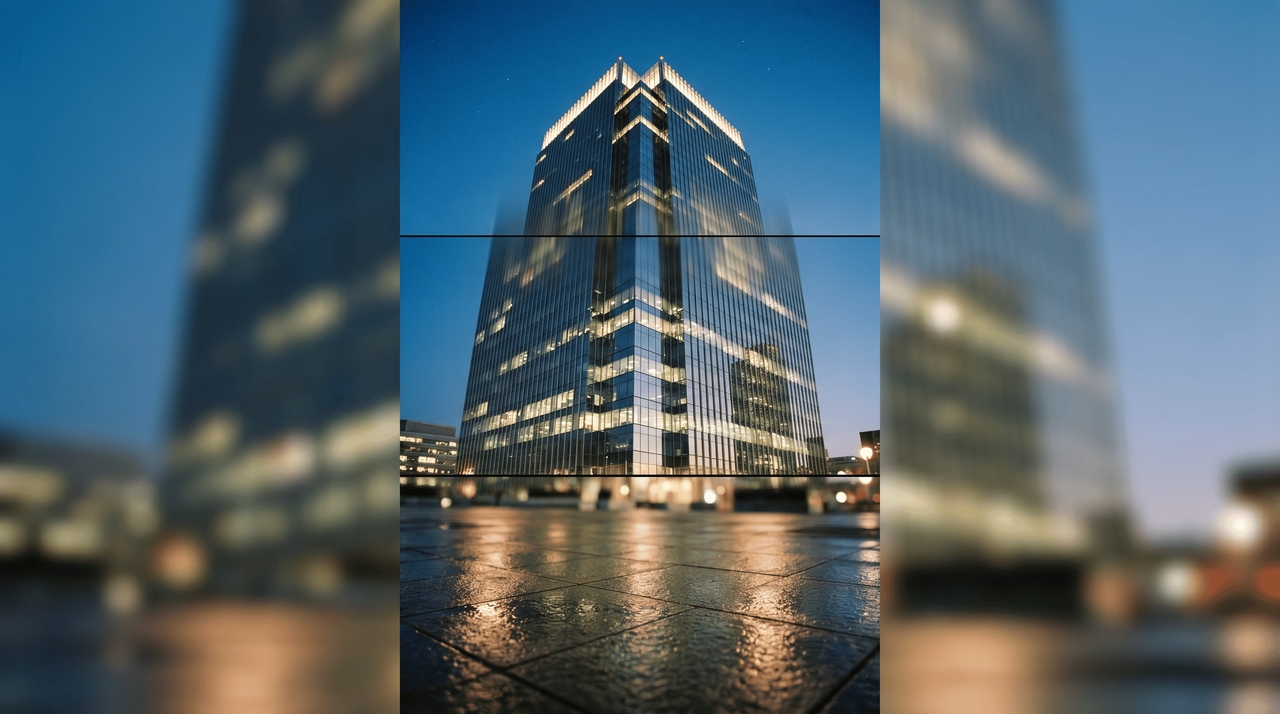
Tilt shot
Similar to a pan, a tilt shot involves pivoting the camera vertically, smoothly pointing the lens straight up or straight down while securely mounted on a fixed base. Tilts are incredibly effective for dramatically revealing tall structures, slowly introducing a character from head to toe, or emphasizing massive vertical scale.
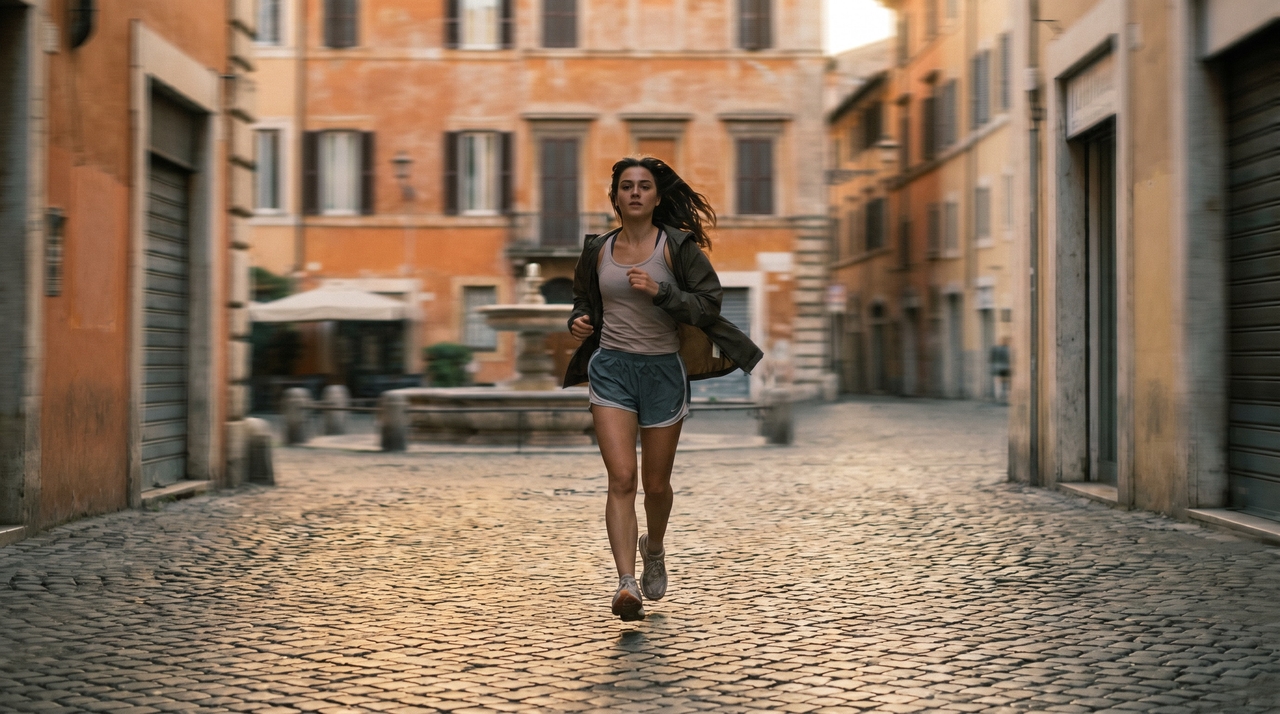
Tracking shot
A tracking shot literally moves the entire camera system physically through the environment, smoothly following alongside, directly behind, or just ahead of a moving subject. This highly immersive movement effectively keeps pace with the unfolding action, pulling the viewer right into the character's journey with a kinetic sense of momentum.
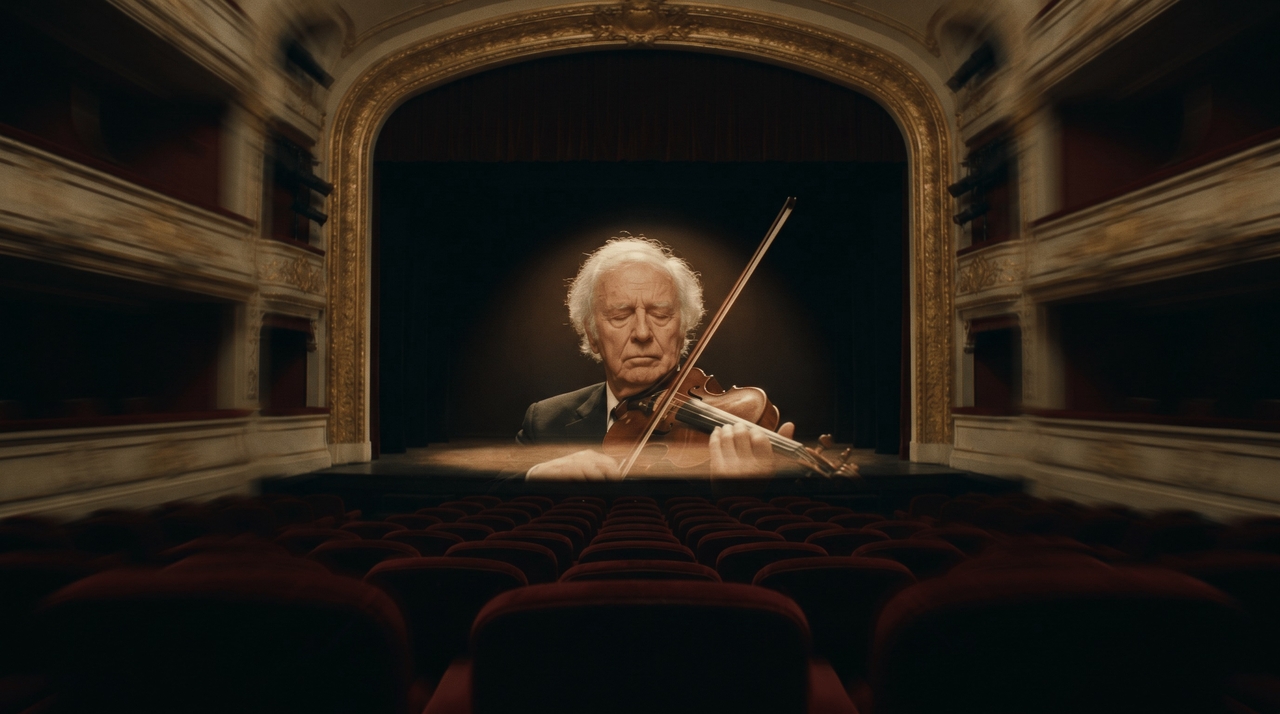
Dolly shot
A dolly shot mounts the heavy camera firmly on a wheeled cart that rolls smoothly along pre-laid tracks. Pushing directly in on a subject intensely heightens profound emotional focus, while pulling slowly away deliberately emphasizes their growing isolation or physically reveals previously unseen aspects of the surrounding grand environmental setting.
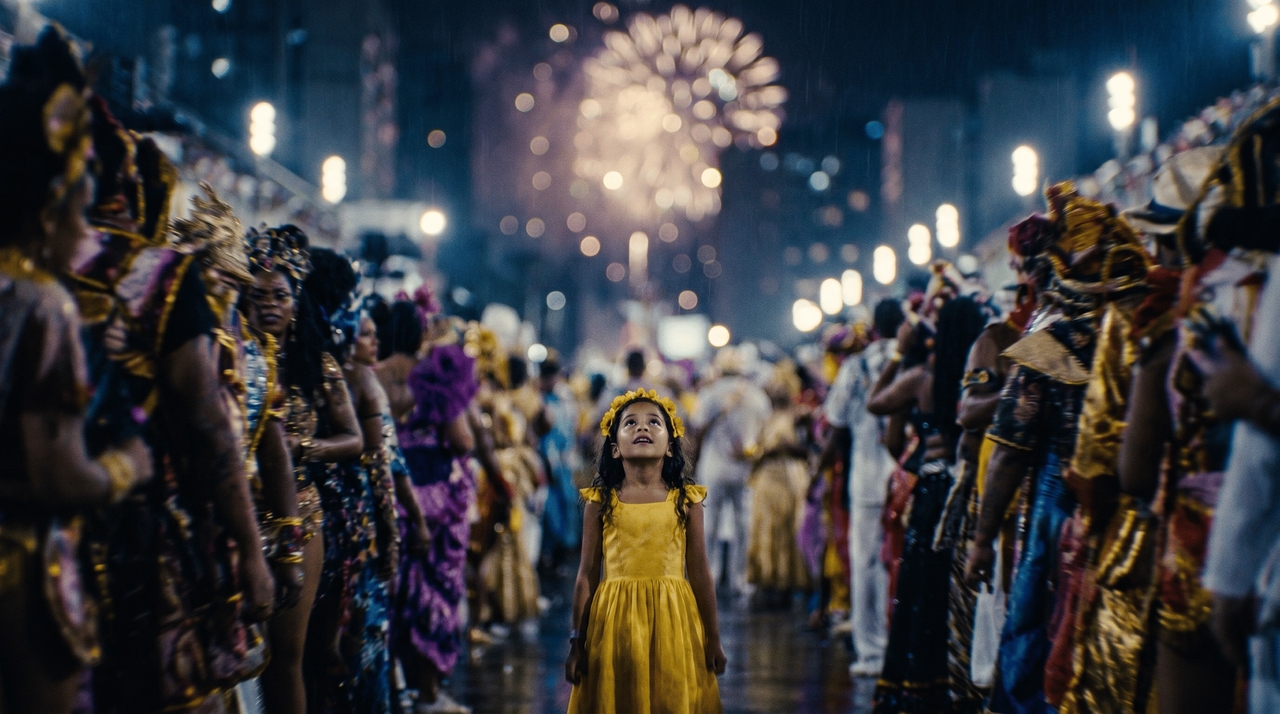
Zoom shot
Unlike moving the actual physical camera, a zoom shot rapidly changes the specific focal length of the mechanical lens. Zooming quickly magnifies the subject to sharply draw intense focus to a vital detail, or violently snaps back to aggressively reveal the larger surrounding context with a highly stylized visual flair.
Types of camera focus shots
Manipulating the depth of field through focus is an essential storytelling mechanism. Deciding exactly what visual elements remain sharp or blurred directly commands the viewer's attention toward critical narrative details.
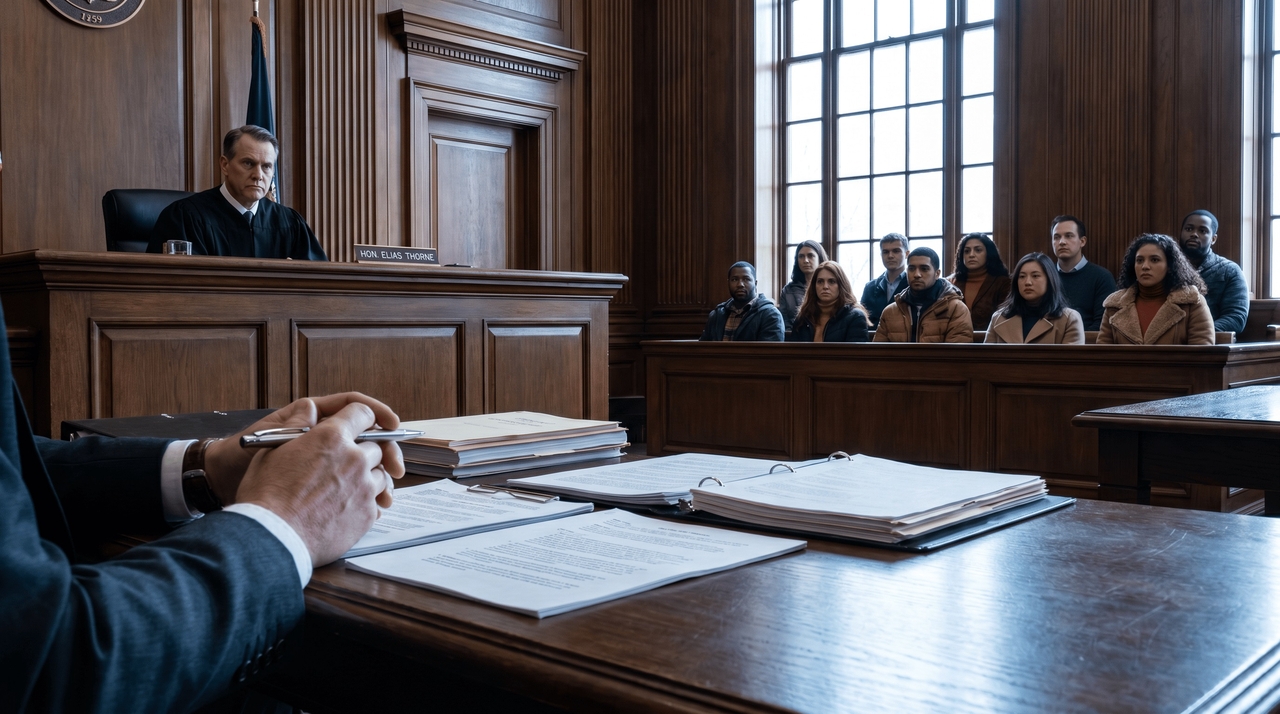
Deep focus shot
A deep focus shot expertly keeps the foreground, middle ground, and distant background completely sharp and clearly visible simultaneously. This challenging technique demands intense lighting and tiny apertures, allowing the audience to actively explore the dense visual frame and notice complex thematic details naturally embedded throughout the entire detailed environment.
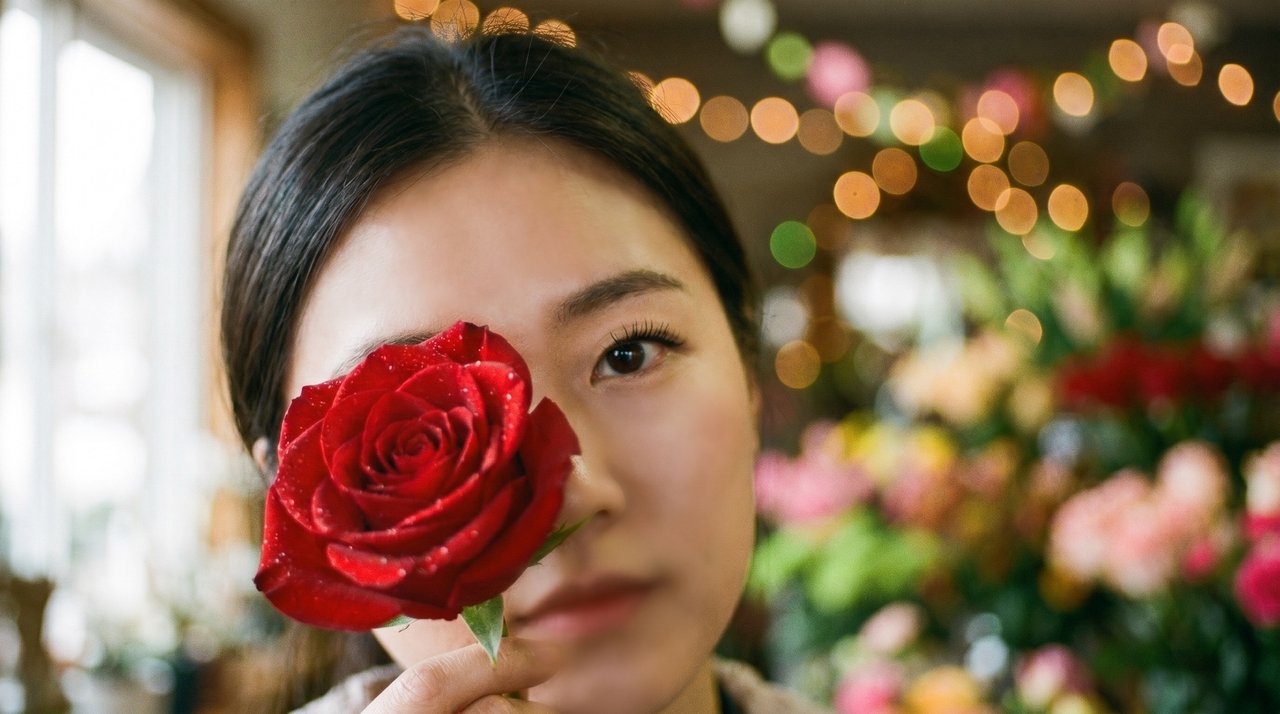
Shallow focus shot
A shallow focus shot intentionally limits the acceptable depth of field, keeping only the primary subject sharply in focus while smoothly blurring out the foreground and background entirely. This highly directed technique instantly isolates the character from their surroundings, strictly forcing the audience to stare only at their emotional performance.
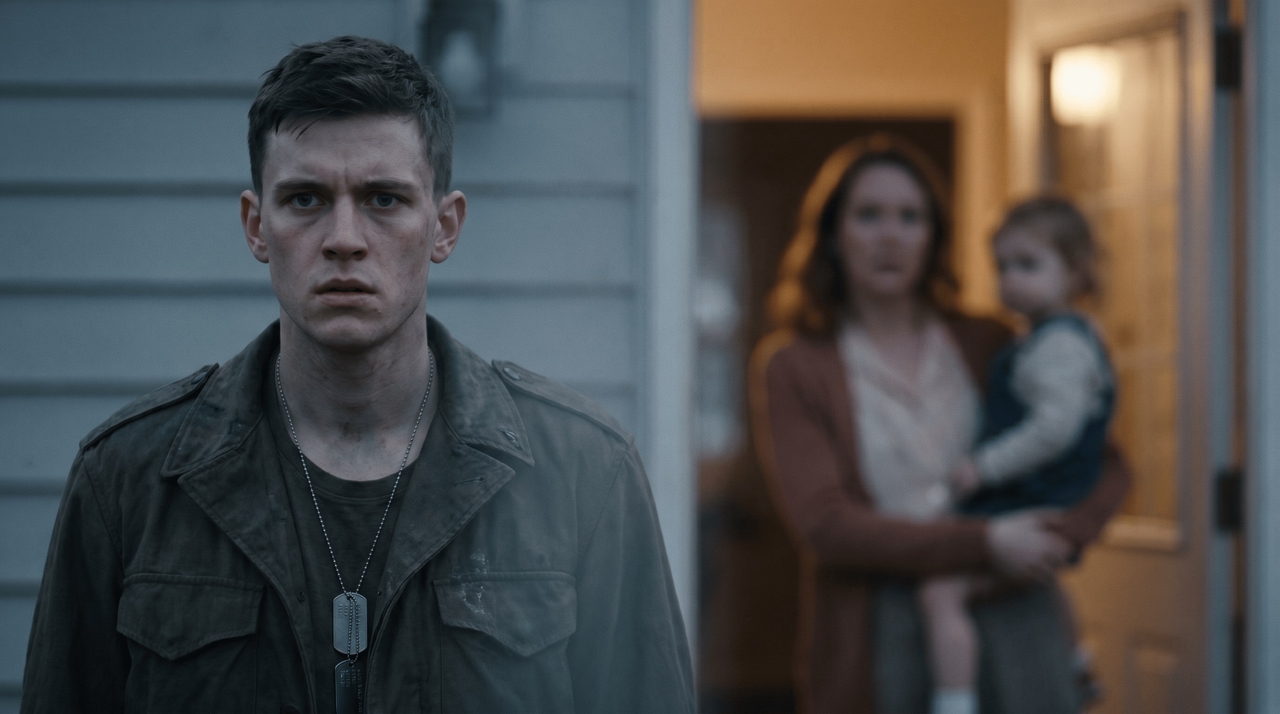
Rack focus shot
A rack focus shot is a highly deliberate cinematic technique where the precise point of sharp focus smoothly transitions from one subject to another during a single continuous take. This aggressively shifts the viewer's direct attention seamlessly between characters or objects, functioning precisely like a visual edit without cutting away.
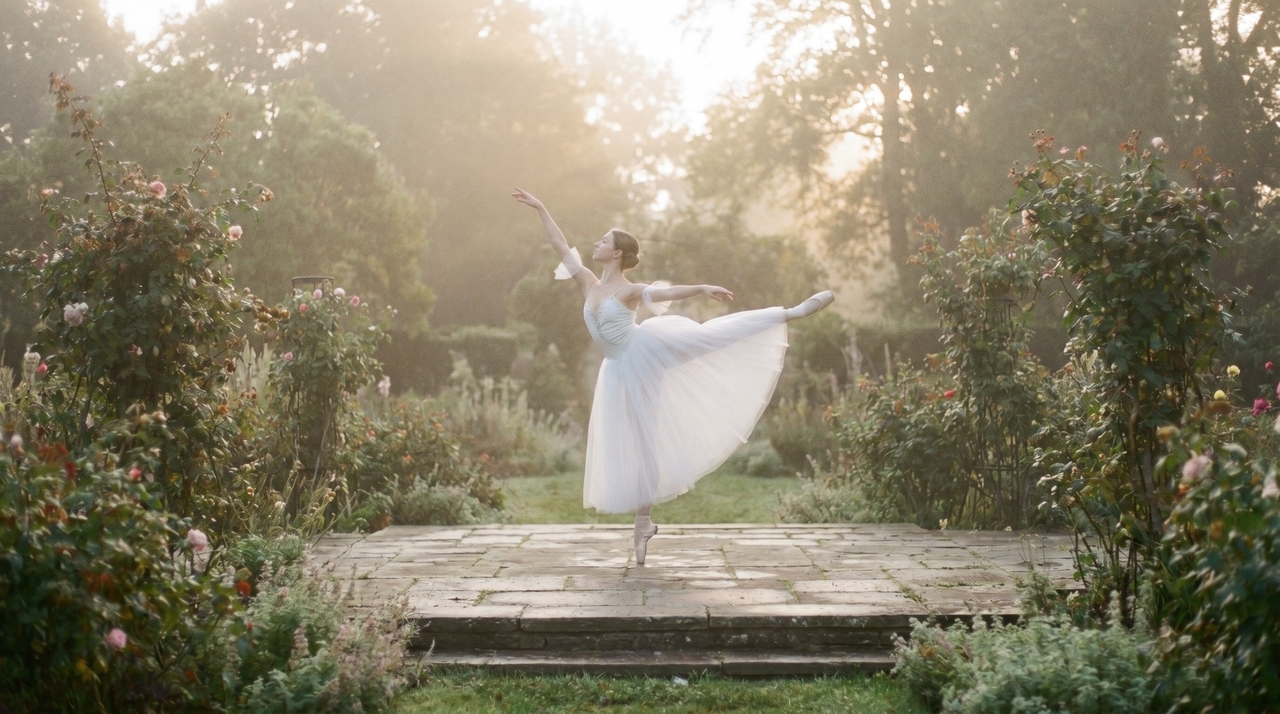
Soft focus shot
Being one of the popular types of movie shots, a soft focus shot subtly blurs the entire visual image just slightly, gently reducing sharp optical clarity. This specialized stylistic choice often beautifully smooths out skin textures to create a highly romanticized, deeply nostalgic, or distinctly dreamlike atmosphere, removing the harsh edges of reality for a purely poetic cinematic effect.
Split diopter shot
A split diopter shot uses a specialized half-convex glass lens attachment to simultaneously achieve crisp focus on two incredibly distant visual planes. This rare technique creates a highly striking, faintly unnatural image that perfectly holds both a very close foreground object and a distant background element in identically sharp focus.
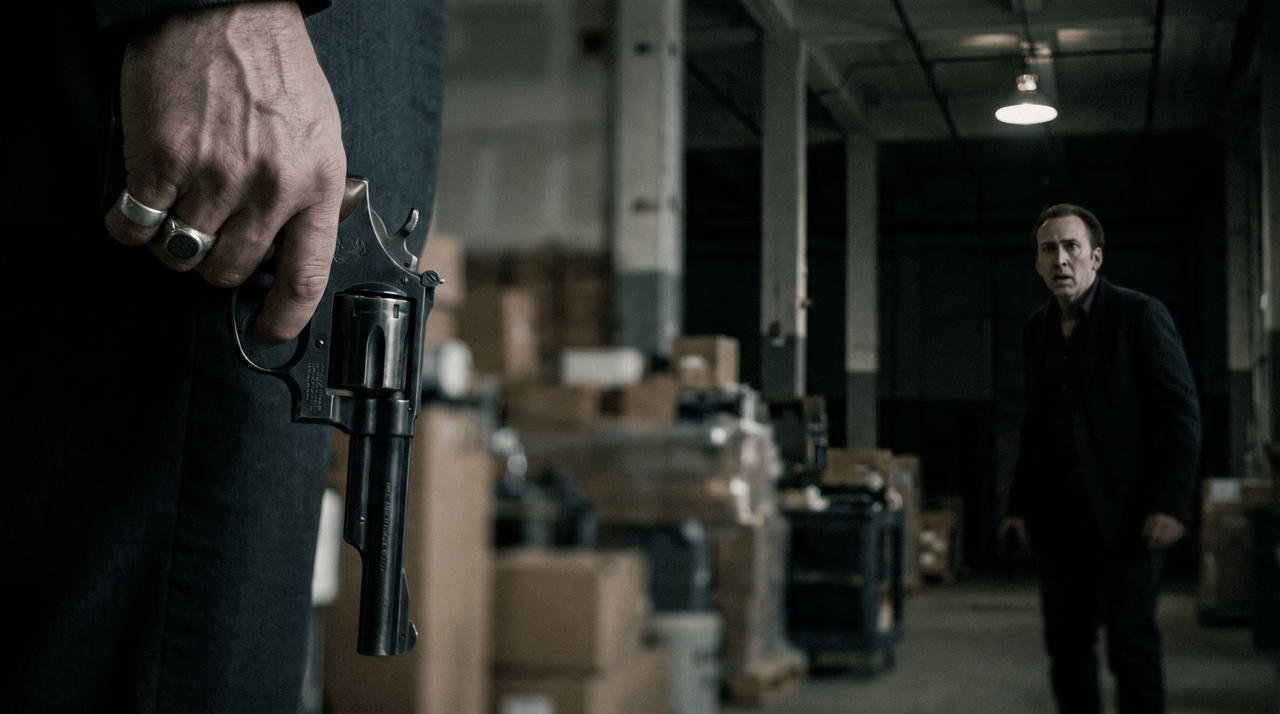
How to create different camera angles and shot types in Framia Pro?
Framia Pro is an advanced, AI-powered, all-in-one content creation platform equipped with specialized video and design agents.
It utilizes cutting-edge reasoning AI image and video generation models, such as Veo, Nano Banana, Seedance, Seedream, Midjourney, GPT Image, etc., to automate the entire production workflow.
From intelligent script generation to automated shot composition, Framia Pro dramatically streamlines cinematic storytelling, saving creators significant time and effort.
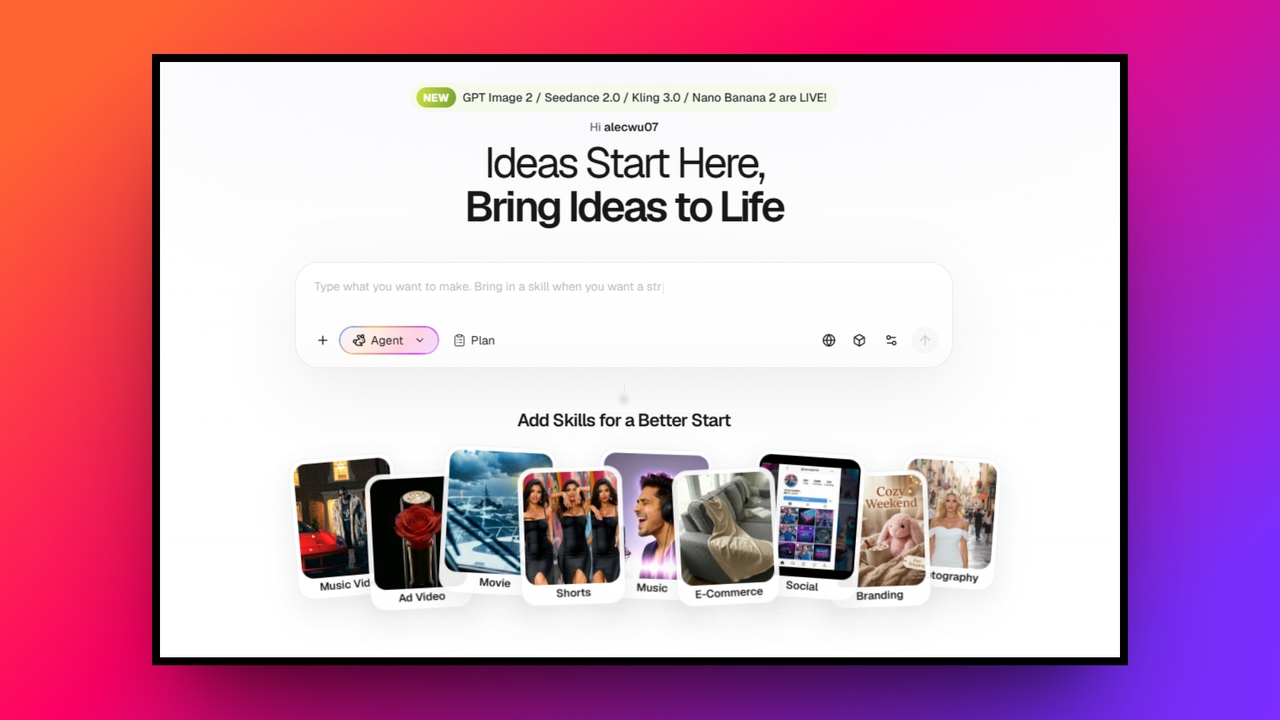
Key features of Framia Pro:
- Automatic storyboarding and composition: AI agents translate scripts into structured storyboards, automatically composing precise cinematic main shots and context-aware B-roll.
- Storyboard timeline editor: A highly visual interface where all generated clips are arranged, letting you regenerate individual shots without starting completely over.
- Flawless character consistency: Advanced generation ensures your subjects maintain the exact same appearance across diverse camera angles and complex cinematic shots.
- Targeted chat-to-edit: Select any specific segment on the timeline and simply describe exactly what visual element or camera angle to fix using natural text.
How to use Framia Pro for creating diverse camera angles and shot types?
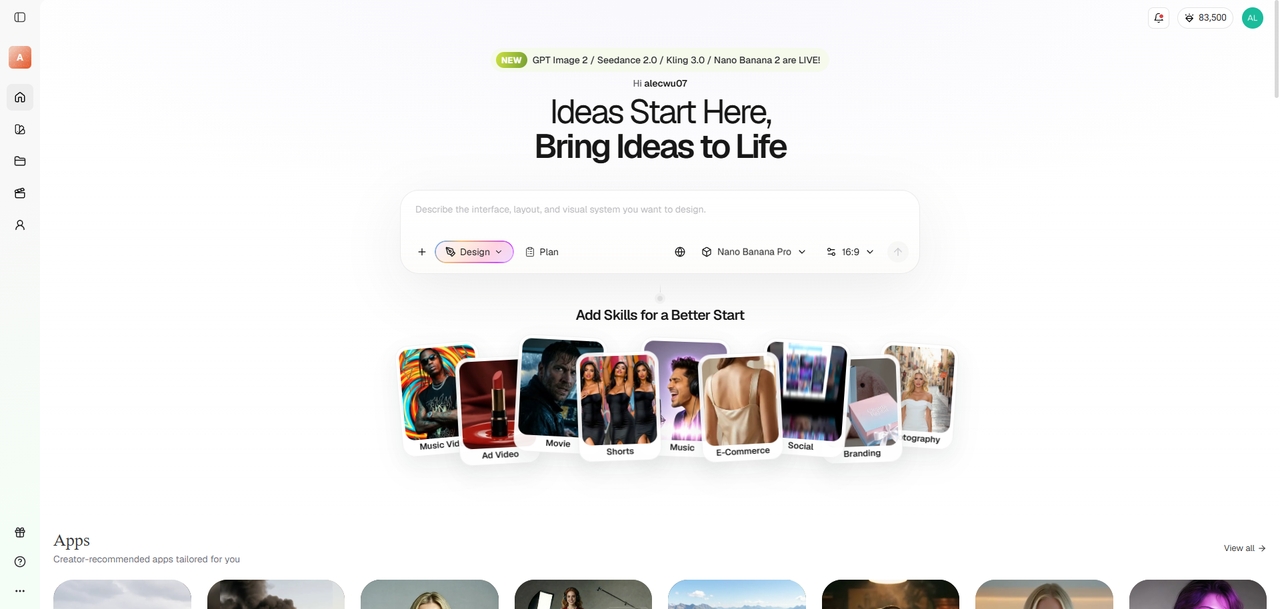
Step 1: Select either the "Design Agent" or the "Video Agent"
Based on whether you are planning to create videos or images, you need to select either the "Design Agent" or the "Video Agent". Additionally, for videos, you also select the "Movie" skill for a better start. After that, choose your AI image generation or video generation model, and the aspect ratio.
Step 2: Provide your detailed prompt
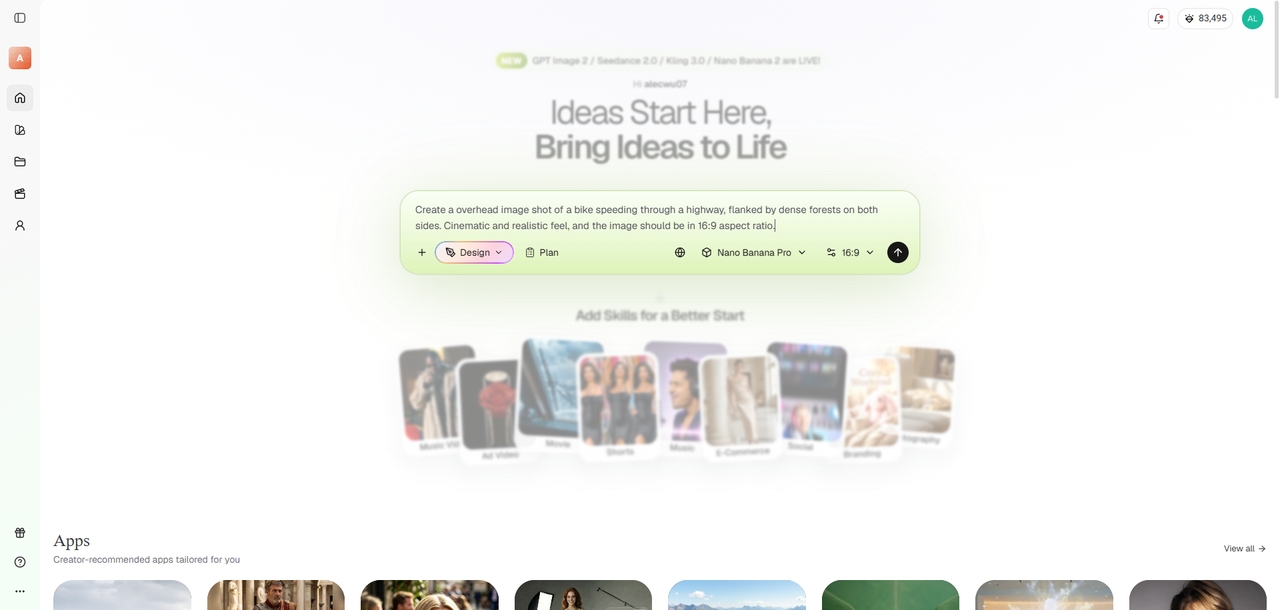
Then, you need to enter a detailed prompt for the image or video you want to create. Mention clearly the scene, style, camera angle/shot type, etc., so that the AI can understand your needs. Additionally, you can also upload any reference image/video as well.
Step 3: Finalize and export your media
Framia Pro will start creating your media and once that is done, you will be able to further tweak or edit it using simple text commands. If you are satisfied, be sure to download and use it.
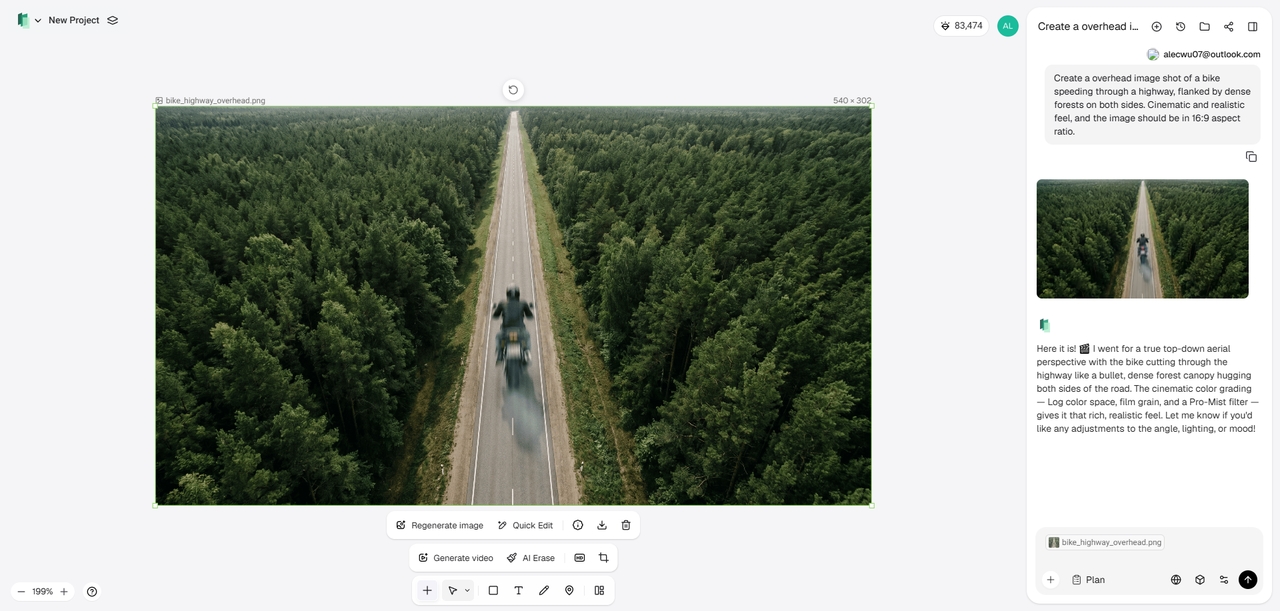
Signing off
Mastering the diverse array of different camera shots and angles is an absolutely crucial step for any aspiring filmmaker or dedicated visual storyteller.
By deeply understanding how shot size, precise framing, dynamic movement, deliberate angles, and calculated focus work together in perfect harmony, you can dramatically elevate the emotional impact of your narrative. Every single visual choice you make fundamentally shapes how your audience instinctively perceives the ongoing story and its complex characters.
Whether you are creating a simple short film or a massive cinematic epic, applying these fundamental techniques will undoubtedly ensure your visual grammar remains compelling, powerful, and unforgettable.
FAQs
What is the difference between a shot and an angle?
A shot typically refers to the specific size and framing of the visual subject, while an angle strictly dictates the physical height and specific structural tilt of the cinematic camera.
Why are extreme close-up types of shots in filmmaking used?
Filmmakers in movies use extreme close ups to intensely focus the audience's complete attention on tiny, vital detail, dramatically emphasizing intense, intimate emotions or highlighting crucial, unnoticed narrative objects completely seamlessly.
When should I strategically use a complex Dutch angle shot?
You should strategically employ a Dutch angle when you need to visually convey a sudden sense of extreme psychological distress, intense spatial disorientation, or escalating, frantic narrative tension incredibly effectively.
What is a cinematic rack focus practically used for?
A rack focus is creatively used to seamlessly shift the audience’s direct visual attention from one specific subject to another completely different subject within the exact same continuous camera take.
How does a low camera angle affect overall character perception?
Shooting a character from a deliberate low angle subconsciously manipulates the audience into perceiving them as significantly more powerful, highly dominant, physically imposing, or even dangerously heroic and subtly threatening.