
The modern consumer rarely buys a product after seeing just one advertisement. They might discover your brand through an Instagram reel, research your product via a Google search, read a few reviews on a blog, and finally make a purchase after receiving an email discount code. This complex, fragmented customer journey is exactly why relying on a single platform is no longer enough.
To survive and thrive, brands must be everywhere their customers are. This is where a robust multichannel marketing strategy comes into play. But what exactly does this entail, and how can you implement it effectively without spreading your resources too thin?
In this comprehensive guide, we will define multichannel marketing, explore its core benefits, and walk you through the steps to build a strategy that drives real engagement and revenue.
What is multichannel marketing?
If you are looking to define multichannel marketing, it is actually quite straightforward. A multichannel marketing definition refers to the practice of interacting with customers using a combination of indirect and direct communication channels. These channels can include websites, retail stores, mail order catalogs, direct mail, email, mobile, and social media.
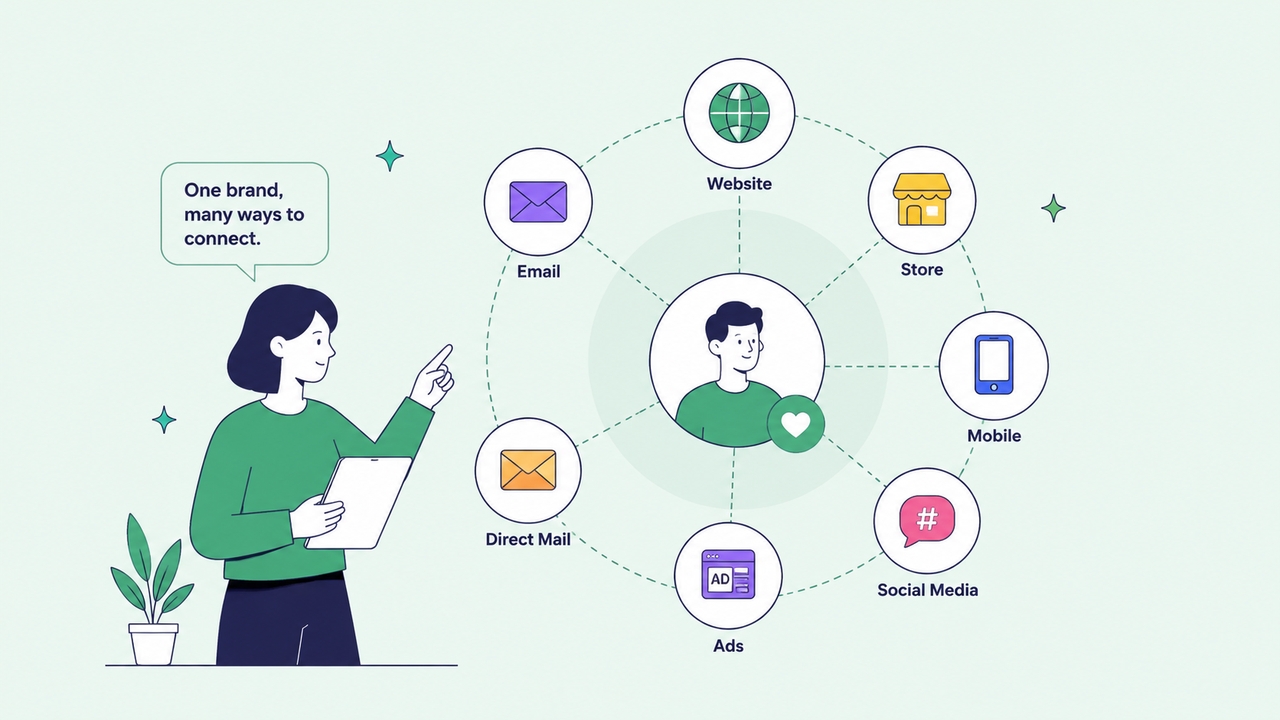
In simple terms, a multi channel approach means you are not putting all your marketing eggs in one basket. Instead of just running Facebook ads or only sending out a weekly newsletter, you use multiple marketing channels to reach your target audience. The goal is to give consumers the choice to engage with your brand on the platform they prefer most.
Whether it is a multi channel digital marketing campaign running across TikTok, Google Ads, and email, or a blend of digital and physical channels, the core philosophy remains the same: maximize your brand's visibility and accessibility.
Multichannel vs. Omnichannel: What is the difference?
While researching this topic, you will often see the terms "multichannel" and "omnichannel" used interchangeably. However, they are fundamentally different strategies. Understanding this difference is crucial for setting up your marketing infrastructure.
Here is a quick breakdown to clear up the confusion:
| Feature | Multichannel Marketing | Omnichannel Marketing |
| The Core Focus | The Brand (maximizing reach across platforms). | The Customer (creating a seamless user experience). |
| Channel Integration | Channels operate independently in silos. | All channels are fully integrated and share data. |
| The Goal | To cast a wide net and get the message out everywhere. | To provide a continuous, frictionless shopping journey. |
| Example | A customer gets an email promo and sees a social media ad, but the two systems don't "talk" to each other. | A customer adds an item to their cart on a mobile app, and that same item waits for them when they log in on a desktop. |
While omnichannel is the ultimate gold standard for customer experience, multichannel marketing is the necessary first step. You cannot connect your channels until you have successfully established them.
Benefits of multichannel marketing
Why should your business invest the time and resources into expanding its marketing footprint? The advantages of multi channel marketing are significant and directly impact your bottom line. Here are the most compelling reasons to adopt this approach.
Expanded reach and brand awareness
The most obvious benefit is visibility. Not every potential customer uses Facebook, and not everyone checks their promotional email folder. By utilizing multiple marketing channels, you cast a wider net. You reach different segments of your audience exactly where they prefer to consume content.
Higher engagement rates
When you give customers the option to interact with you on their terms, engagement naturally increases. Some people love interacting with polls on Instagram Stories, while others prefer reading long-form, in-depth blog posts. A multi channel marketing approach caters to these varying preferences.
More data for better decisions
Operating across various platforms gives you access to a wealth of consumer data. You can see which channels drive the most traffic, which demographics prefer specific platforms, and what types of messaging resonate best. This data allows you to optimize your campaigns and marketing spend continuously.
Increased revenue and ROI
Studies consistently show that customers who engage with a brand across multiple channels spend significantly more than single-channel customers. The more touchpoints a consumer has with your brand, the higher the trust, which directly translates to a higher conversion rate and return on investment.
The core challenges of a multi channel approach
While the benefits of multichannel marketing are clear, executing it flawlessly is not without its hurdles. Before diving in, it is important to understand the common roadblocks so you can avoid them.
- Siloed data: When marketing teams operate independently (e.g., the social media team does not talk to the email team), data gets trapped in silos. This can lead to a fragmented understanding of the customer.
- Inconsistent messaging: If your brand voice sounds playful on X (formerly Twitter) but highly corporate in emails, it confuses the audience. Maintaining a unified brand identity across platforms requires strict guidelines and oversight.
- Resource heavy: Managing a multi channel digital marketing strategy takes time, money, and manpower. Creating unique content for five different platforms is significantly harder than managing just one.
- Attribution tracking: When a customer finally buys, which channel gets the credit? Did the Google Search do it, or was it the YouTube ad they saw three days ago? Tracking attribution across multiple channels requires advanced analytics tools.
How to build a successful multi channel digital marketing strategy
Creating a campaign that spans various platforms requires more than just creating a few new social media accounts. It requires deep planning and strategic execution. Here is a step-by-step guide to building a multi channel digital marketing strategy that actually works.
Step 1: Define your target audience and buyer personas
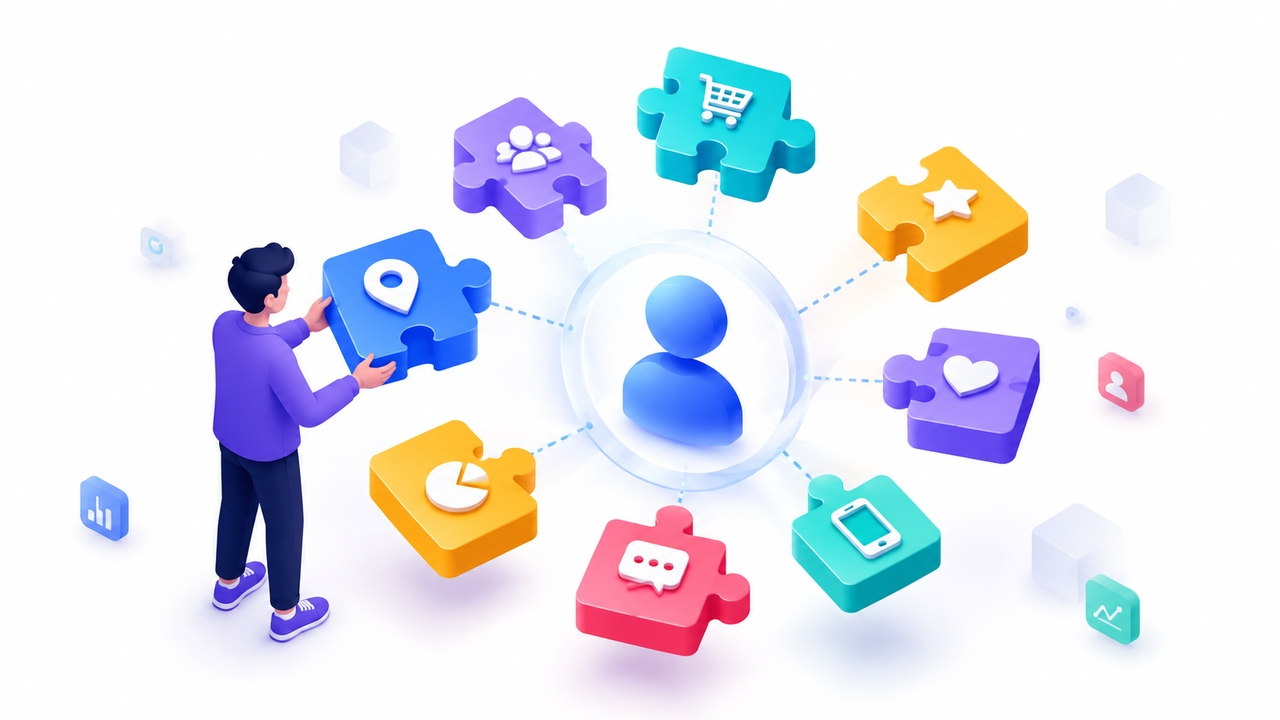
Before you choose your channels, you must know exactly who you are talking to. Create detailed buyer personas that outline your ideal customer's age, location, pain points, and—most importantly—their media consumption habits. If your target audience is Gen Z, pouring your budget into Facebook and direct mail won't yield great results. You need to be on TikTok and YouTube Shorts.
Step 2: Select the right multiple marketing channels
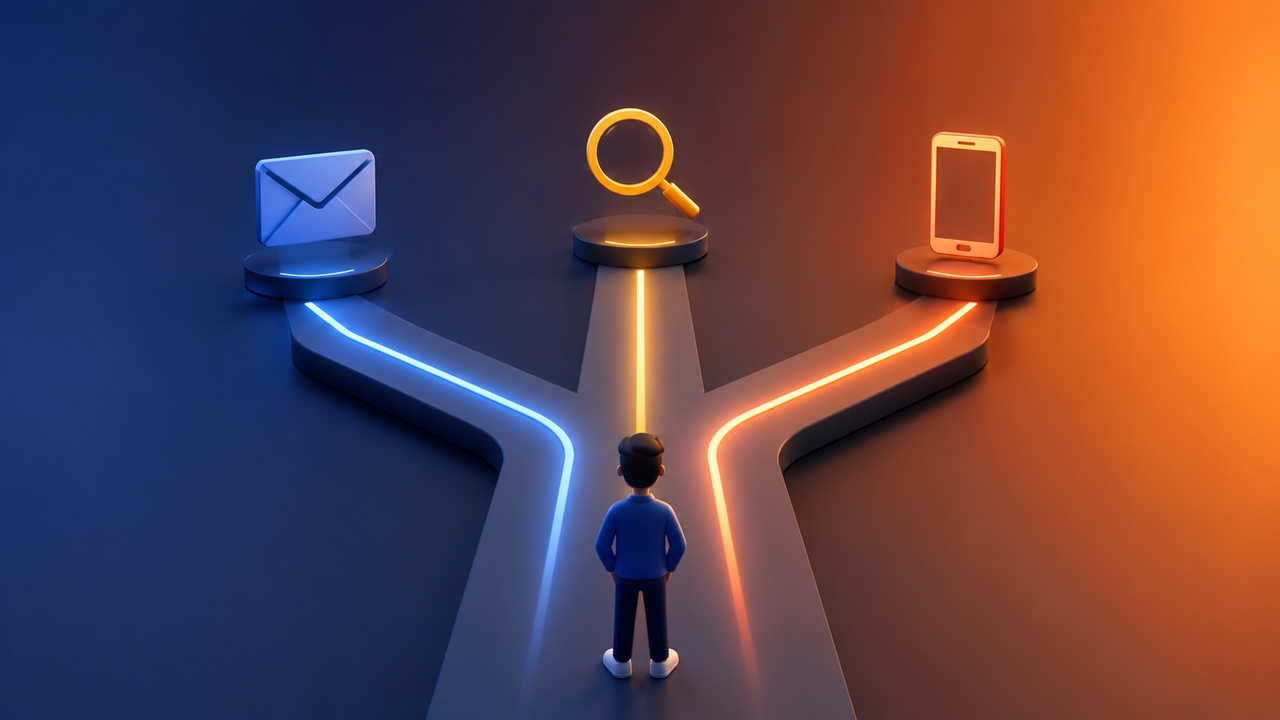
Do not try to be everywhere all at once. It is a guaranteed recipe for burnout. Instead, select three to four channels where your audience is most active. A standard foundational mix usually includes:
- An optimized website or blog (SEO)
- An email marketing list
- One or two primary social media platforms (e.g., LinkedIn for B2B, Instagram/TikTok for B2C)
- Paid advertising (Google PPC or Meta Ads)
Step 3: Craft a unified brand message
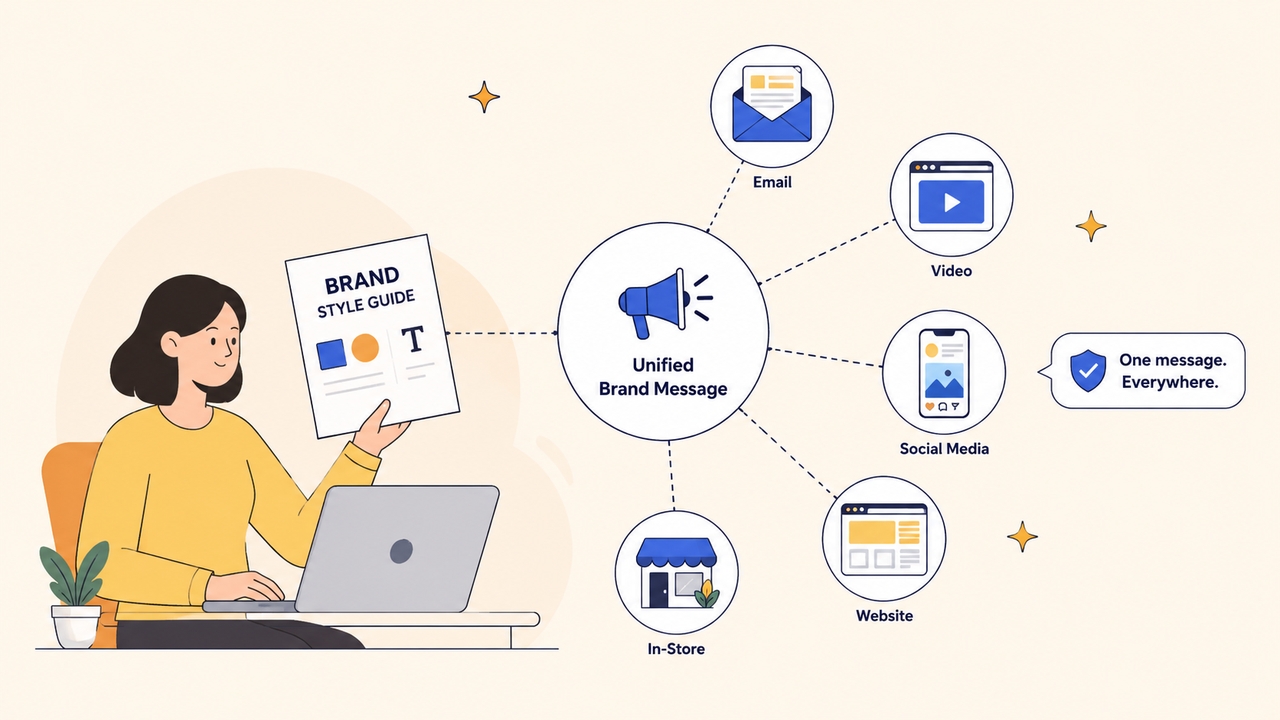
Your core message must remain consistent, no matter the platform. Whether a customer reads an email or watches a video, they should instantly recognize your brand's voice, colors, and values. Create a comprehensive brand style guide to ensure all teams are aligned.
Step 4: Adapt the format, not the message
While the core message stays the same, the delivery must change to fit the platform. This is the golden rule of multichannel content marketing. You cannot just copy and paste an email newsletter into an Instagram caption.
For example, if you are promoting a new software tool:
- Blog: Write a detailed, 1500-word tutorial on how to use it.
- YouTube: Create a 5-minute video walkthrough.
- Instagram/TikTok: Post a fast-paced, 15-second highlight reel of the best features.
- Email: Send a short, punchy announcement with a clear call-to-action link.

Step 5: Implement tracking and analytics
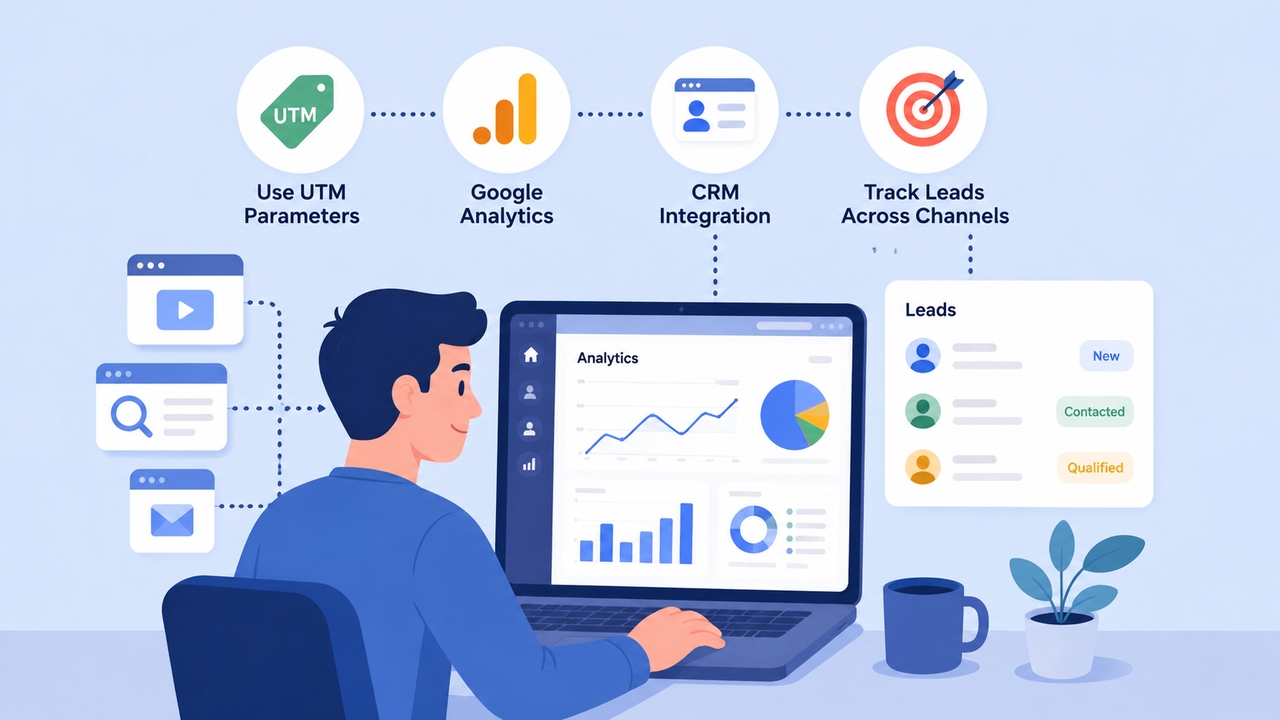
You cannot improve what you cannot measure. Use UTM parameters on all your links to track exactly where your website traffic is coming from. Set up Google Analytics to monitor user behavior, and utilize CRM (Customer Relationship Management) software to keep track of leads as they move across different channels.
Step 6: Test, analyze, and optimize
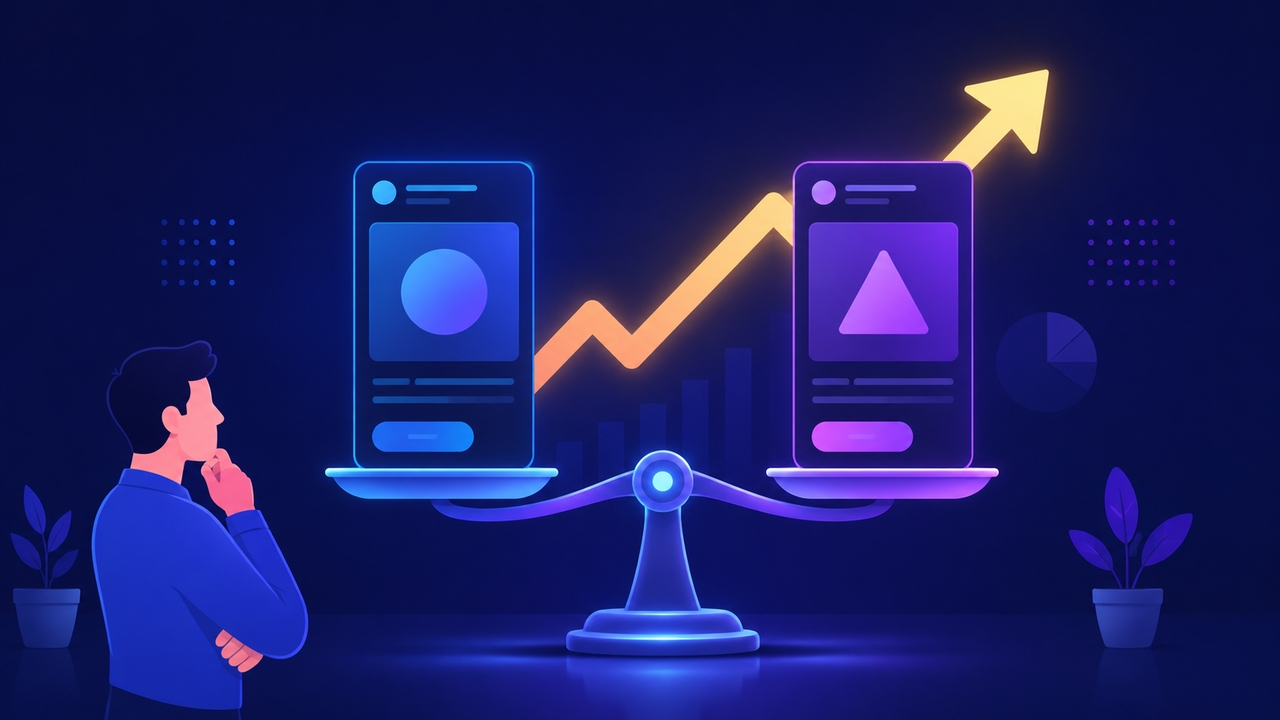
A multi channel digital marketing strategy is never truly "finished." You must constantly monitor the data. Are your email open rates dropping? Is your Facebook ad cost-per-click getting too high? Use A/B testing to try different headlines, images, and send times. Double down on the channels that generate the highest ROI and consider cutting platforms that are draining resources without providing results.
Supercharge your multichannel content creation with Framia Pro
The biggest bottleneck in any multichannel marketing strategy is content production. Creating a cohesive campaign that spans a blog post, a YouTube video, an Instagram Reel, and an email newsletter usually requires a massive team of writers, video editors, and graphic designers.
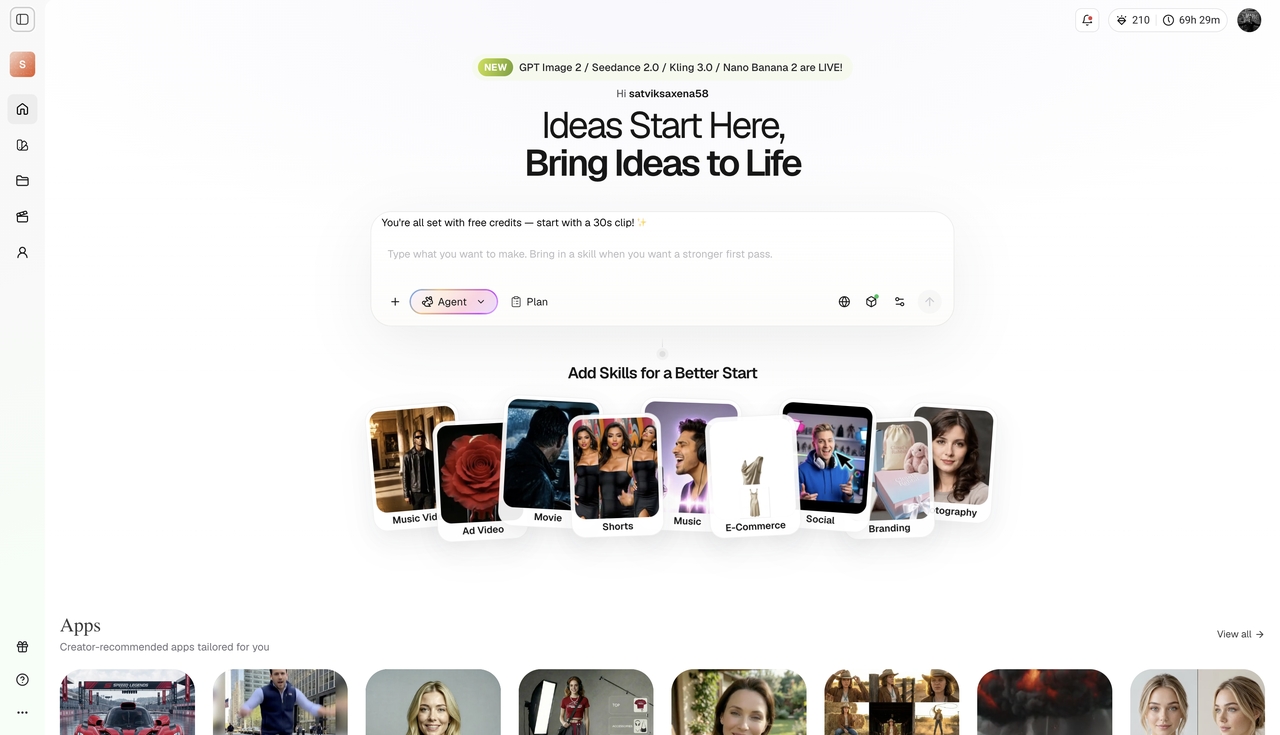
Framia Pro solves this exact problem. As an all-in-one AI creative agent platform, it allows solo marketers and small teams to generate high-quality assets for every single channel from one central hub, ensuring your brand identity remains perfectly consistent.
How Framia Pro elevates your multichannel strategy:
- Format-specific agents: Need a vertical video for TikTok and a cinematic 16:9 ad for YouTube? Framia's specialized Shorts and Ad Agents automatically format and optimize your content for the specific channel you are targeting.
- Consistent visual branding: With multi-model integration (including Veo 3.1 and Sora 2), you can maintain exact character consistency and visual style across all your marketing touchpoints, from social media graphics to long-form video content.
- End-to-end automation: Stop jumping between a dozen different apps. Framia Pro handles script generation, storyboarding, B-roll, voiceovers, and background music on a single Intelligent Canvas.
- Chat-to-edit flexibility: Need to adapt an Instagram video for a more professional LinkedIn audience? Simply use natural language commands to tweak specific layers, text, or pacing without regenerating the entire asset.
By leveraging Framia Pro, you can execute a robust, multi-platform campaign in a fraction of the time, allowing you to focus on strategy and analytics rather than endless content rendering.
Best practices for multichannel content marketing
Content is the fuel that powers your multichannel engine. Producing enough high-quality content to feed multiple platforms can be exhausting, but working smarter makes it manageable. Here are the best practices for multichannel content marketing in 2026.
Repurpose your content heavily
Never create a piece of content just once. A long-form YouTube video can be stripped of its audio to become a podcast. The video can be chopped into five separate YouTube Shorts or TikToks. The script can be rewritten into a comprehensive SEO blog post, and the key quotes can be turned into graphics for LinkedIn. Content repurposing saves time and ensures your message reaches different segments of your audience.
Use automation and scheduling tools
Manually logging into five different platforms every day to post content is highly inefficient. Invest in social media management tools to schedule your posts weeks in advance. Use email marketing automation to set up drip campaigns that trigger based on user behavior. Automation frees up your team to focus on high-level strategy rather than daily administrative tasks.
Maintain dynamic frequency
Understand the "posting rhythm" of each channel. X requires multiple posts a day to stay relevant, whereas sending three emails a day will result in massive unsubscribe rates. Tailor your publishing frequency to the specific expectations of each platform's user base.
Encourage cross-channel engagement
Use your channels to promote one another. Add your social media icons to the footer of your emails. Tell your YouTube subscribers to sign up for your weekly newsletter for exclusive content. Write a blog post and embed your latest Instagram reel inside it. This cross-pollination strengthens your overall online presence and keeps users trapped in your brand ecosystem.
Conclusion
In 2026, relying on a single avenue to acquire customers is a massive risk. Algorithm changes, shifting consumer trends, and rising ad costs can wipe out a single-channel business overnight.
Understanding what is multichannel marketing and executing it effectively provides your business with stability, wider reach, and a much stronger relationship with your audience. By carefully selecting your platforms, maintaining a consistent brand voice, and heavily repurposing your content, you can build a multi channel marketing approach that drives sustainable, long-term growth.
Start small. Master two or three channels perfectly before expanding to the next one. The goal is not to be everywhere—it is to be exactly where your customers need you to be, precisely when they are ready to engage.
FAQs
What is a multichannel marketing definition in simple terms?
Multichannel marketing is the strategy of using several different platforms—such as email, social media, print, and a website—to communicate with and market to your target audience. It gives customers the choice to interact with your brand on their favorite platform.
What are the main advantages of multi channel marketing?
The primary advantages include expanded brand reach, higher customer engagement rates, the ability to collect diverse consumer data, and ultimately, increased sales and ROI due to multiple customer touchpoints.
How is multichannel different from omnichannel marketing?
Multichannel marketing focuses on using multiple platforms independently to push a brand's message. Omnichannel marketing takes it a step further by connecting all those platforms together to create a seamless, unified shopping experience for the customer.
What is the best multi channel digital marketing approach for small businesses?
Small businesses should avoid trying to be on every platform. The best approach is to start with a strong foundational website, an active email list, and one or two social media platforms where your specific target audience spends the most time. Master those before expanding.