HappyHorse-1.0 is an AI video model that generates high-quality multimodal text-to-video and image-to-video content, with audio-video synchronization. It is built using unified transformer architecture and produces cinema-quality videos, superior benchmarks, and scalable APIs. HappyHorse-1.0 applies to marketing, social media, and automated video generation.
What is the HappyHorse-1.0 AI model?
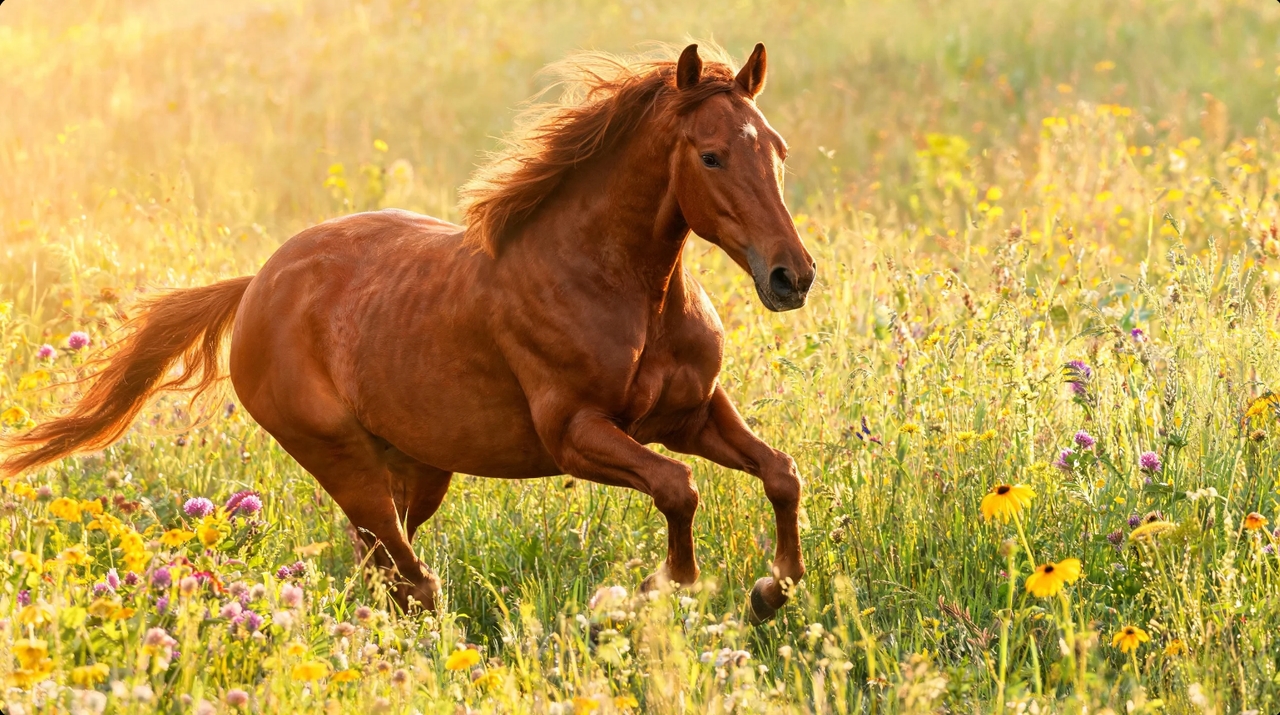
HappyHorse-1.0 AI Model was created by Alibaba's AI research ecosystem (division: ATH). This is one of their cutting-edge AI video generation models that leverage the latest advancements in generative video technology. This AI video generator creates high-quality videos through texts and image inputs by leveraging a unique multimodal Transformer architecture. It allows combining video and audio generation, thereby enabling realistic motion and synchronizing speech and audio components to produce high-quality videos. The technical details indicate support for 1080p resolution videos, short-form video generation, and multilingual lip-sync capability, among others.
HappyHorse-1.0 features overview
HappyHorse-1.0 features combine unified multimodal generation, native audio-video synthesis, and 1080p output to deliver realistic and synchronized AI video creation.
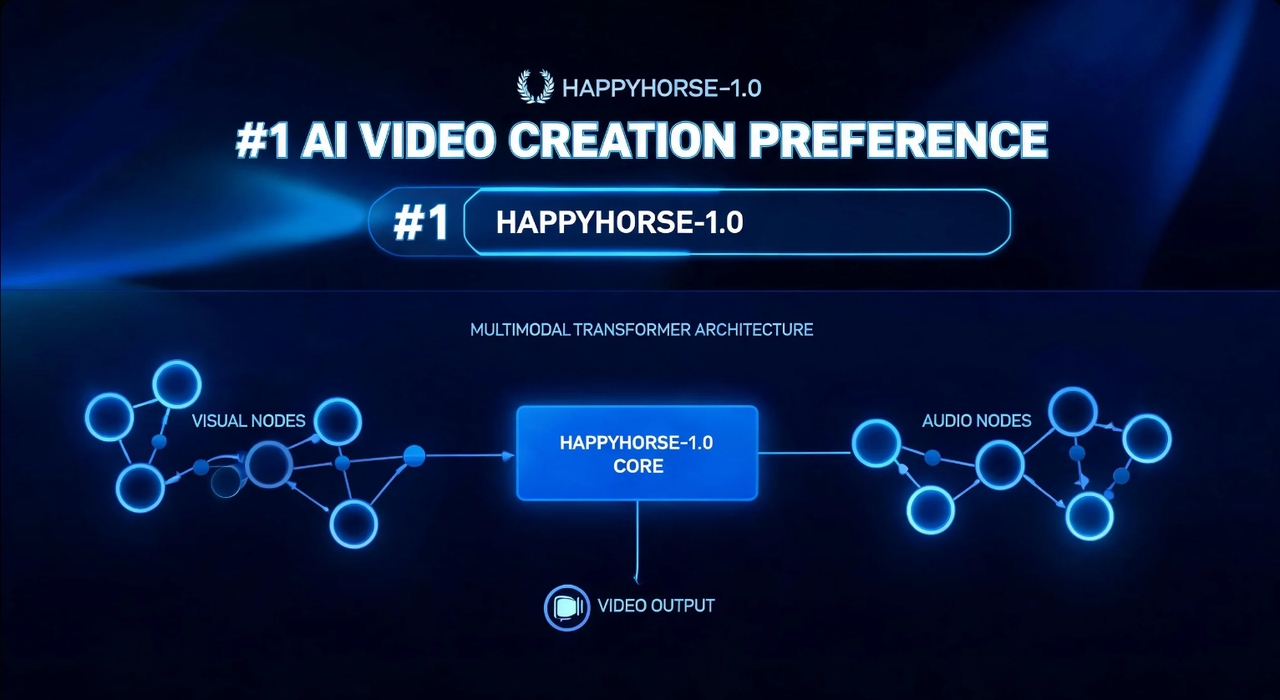
- Unified multimodal transformer: HappyHorse-1.0 makes use of a one-stream transformer that is able to handle text, image, video, and audio tokens in one unified pipeline to achieve excellent temporal coherence, good scene cohesion, and proper alignment of visuals and audio content without any multi-step operations.
- Text-to-video and image-to-video generation: The ability to generate video from either text prompts or images is provided by HappyHorse-1.0, which can create realistic video footage with consistent visual storylines and cinematic lighting effects, while respecting the given prompt or reference image.
- Native audio-video generation: HappyHorse-1.0 generates audio and video content together within one session, with voice-over, background music, and sound effects included, guaranteeing perfect synchronicity between audio and video without relying on any outside dubbing or audio editing after production.
- 1080p video output quality: This model offers videos with a high resolution (1080p), which ensures smooth videos that maintain good lighting quality without causing any flickering. It minimizes generative issues, such as visual distortions, that often occur when using this technology.
- Multilingual lip-sync capability: HappyHorse-1.0 has the ability to perform multilingual lip-sync where speech is synchronized with facial animations. This makes HappyHorse-1.0 useful for creating localized videos in various languages.
Why the HappyHorse-1.0 AI model stands out?
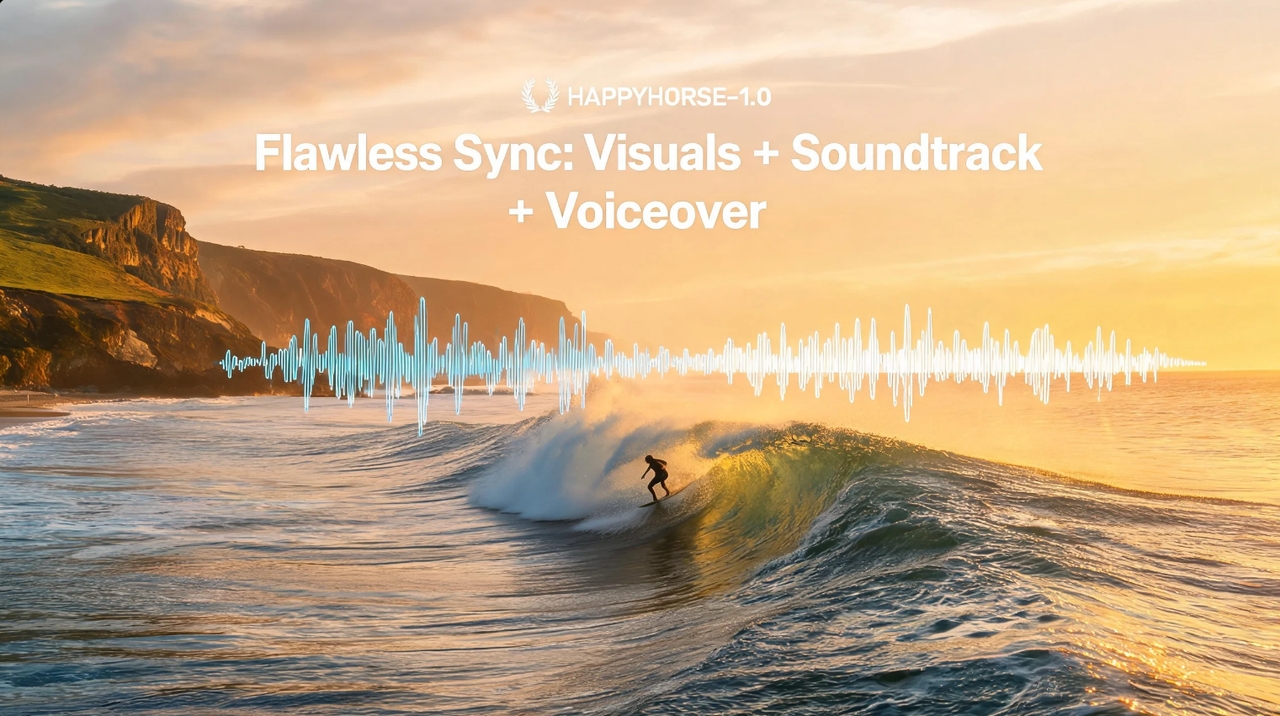
HappyHorse-1.0 AI Model is remarkable for its outstanding results on the Artificial Analysis leaderboards, making it number one (#1) in terms of preference for AI video creation. The model utilizes a single multimodal Transformer architecture for generating both video and audio content simultaneously, ensuring flawless synchronization between visuals, soundtracks, and voiceover. Contrary to other models, HappyHorse-1.0 delivers native audio-video synthesis, achieves stable performance, and generates cinematic-style short videos.
HappyHorse-1.0 pricing, release date, and availability
HappyHorse-1.0 is a newly released AI video creation models (era of 2026) that gained attention due to leaderboards and its initial API release. HappyHorse-1.0 is now categorized as an AI video creator, credit- and API-based, and pricing depends on various platforms. Some initial findings from the SERP show that HappyHorse-1.0 is a usage-based AI video creation tool like other serverless AI video creators, which charge per video time, video resolution, and video computing intensity.
Pricing structure (estimated across platforms)
| Component | Details | Model Type |
| Subscription plans | ~$9.9–$99.9/month (varies by tier) | Credit-based creator plans |
| API pricing | ~$0.14–$0.28 per second | Usage-based billing |
| Credit system | Video consumes credits based on duration and resolution | Flexible consumption model |
| Audio-video generation | Higher compute cost than standard video | Premium feature layer |
Release date and rollout status
HappyHorse-1.0 debuted at the beginning of 2026 AI video benchmarks. It immediately achieved great results among text-to-video and image-to-video rankings and became connected with some major AI ecosystems and cloud systems.
| Stage | Timeline | Availability Status |
| Benchmark emergence | Early 2026 | Internal / anonymous testing phase |
| Public identification | April 2026 | Model attributed to major AI ecosystem developers |
| API rollout | Mid 2026 (phased) | Limited developer access via platforms |
| Full availability | Ongoing | Gradual expansion to broader users |
Availability summary:
- Accessible via API-based platforms (serverless access)
- Early access for developers and enterprise users
- Not yet fully open consumer rollout
- Expanding through cloud and partner integrations
👉 Overall, HappyHorse-1.0 is a benchmark-leading AI video model with scalable pay-per-use pricing and phased global availability.
HappyHorse-1.0 position in the current AI video model market
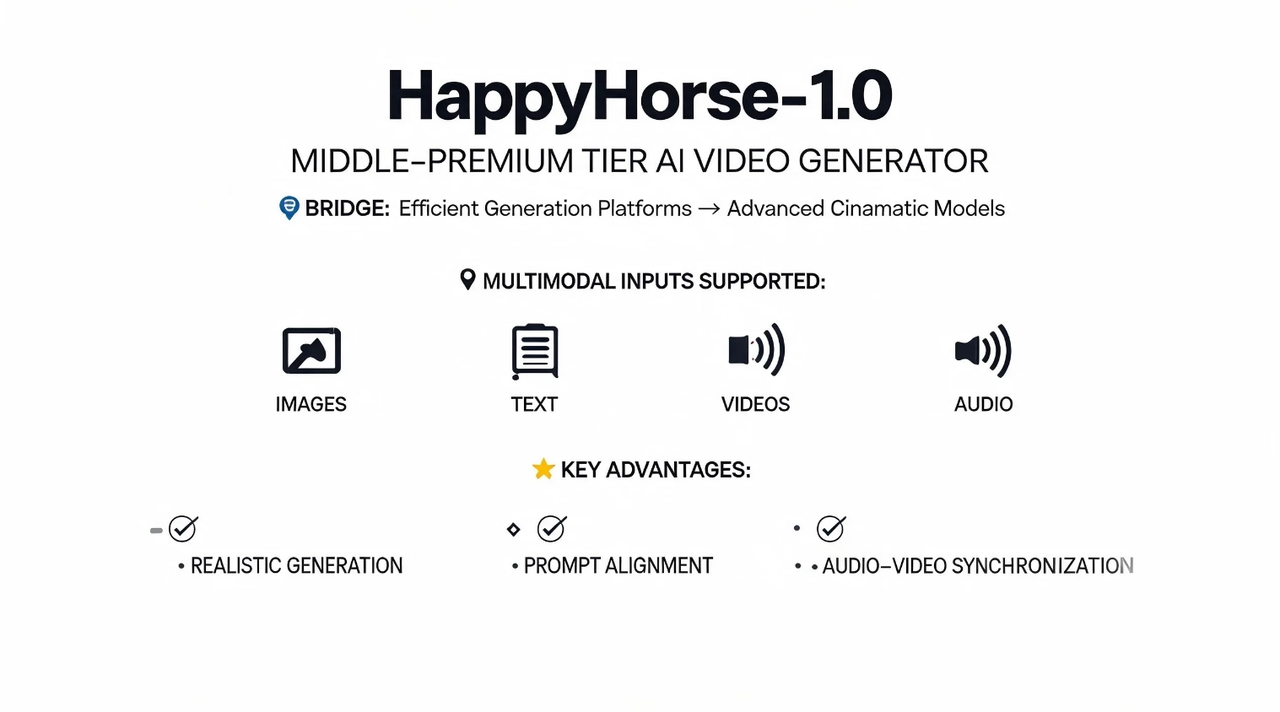
HappyHorse-1.0 falls under the middle to premium tier of AI video generators, serving as a link between efficient generation platforms and the more advanced cinematic models. The project is oriented towards multimodal generation, where the generator processes text, images, videos, and audio. The advantages of this platform include realistic generation, prompt alignment, and audio-video synchronization.
AI video model comparison:
| Model Category | Example Models | Strengths | Position vs HappyHorse-1.0 |
| Budget / Fast Models | Wan 2.5, Hailuo-02 Standard | Low cost, fast generation | Lower quality, less realism |
| Mid-Range Models | Hailuo-02 Pro, PixVerse V5.6 | Balanced quality and cost | Slightly below HappyHorse-1.0 in realism |
| Premium Cinematic Models | Kling, Seedance | Strong production stability | Comparable but less unified multimodal sync |
| High-End Closed Models | Sora, Veo | Long-form cinematic generation | Higher scale but less accessible |
| HappyHorse-1.0 | Unified multimodal AI video model | Best-in-class sync, high realism, benchmark leader | Strong balance of quality + accessibility |
HappyHorse-1.0 stands out because it delivers top-tier visual fidelity and audio-video synchronization in a scalable API format, making it more accessible than closed cinematic systems while outperforming many mid-range competitors in benchmark evaluations.
Real-world applications of HappyHorse-1.0 AI model
HappyHorse-1.0 is used in ads, social media, demos, education, and AI video automation workflows.
- Marketing and ads:
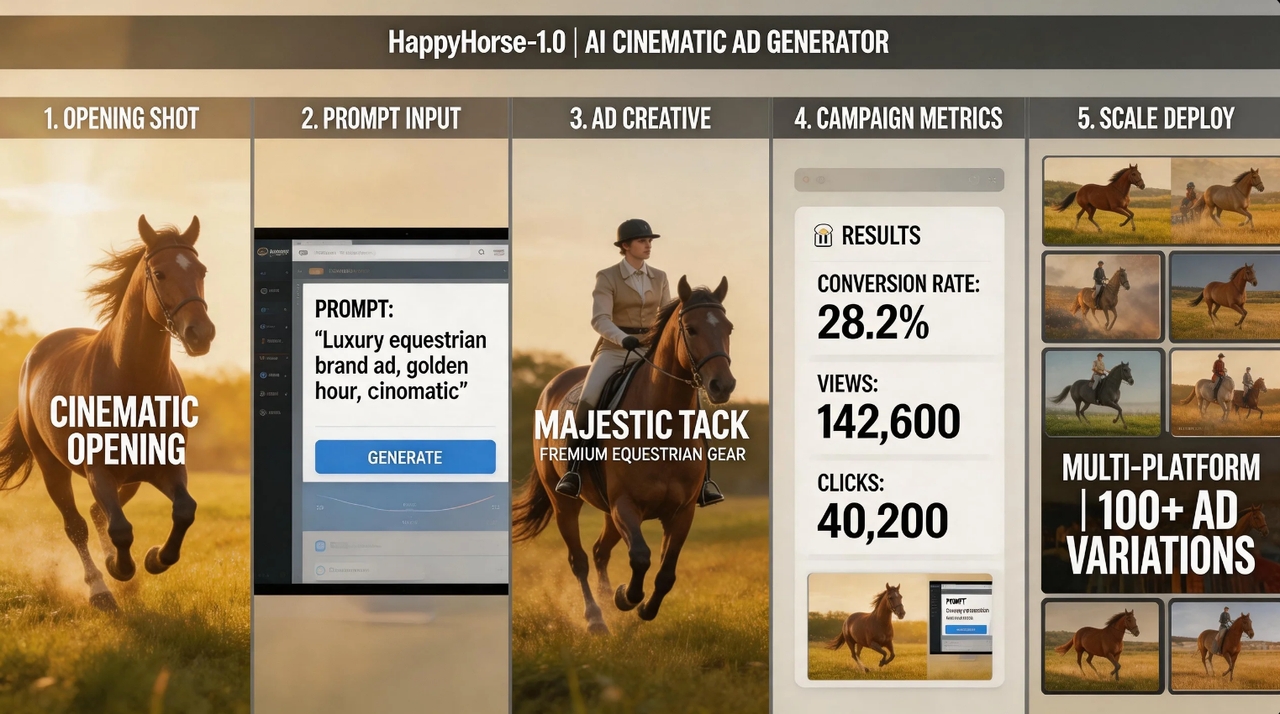
HappyHorse-1.0 AI video model generates cinematic marketing and advertising videos using text-to-video prompts, combining AI-driven visuals, brand messaging, and synchronized audio to produce high-conversion ad creatives for digital campaigns and promotions at scale.
- Social media content:
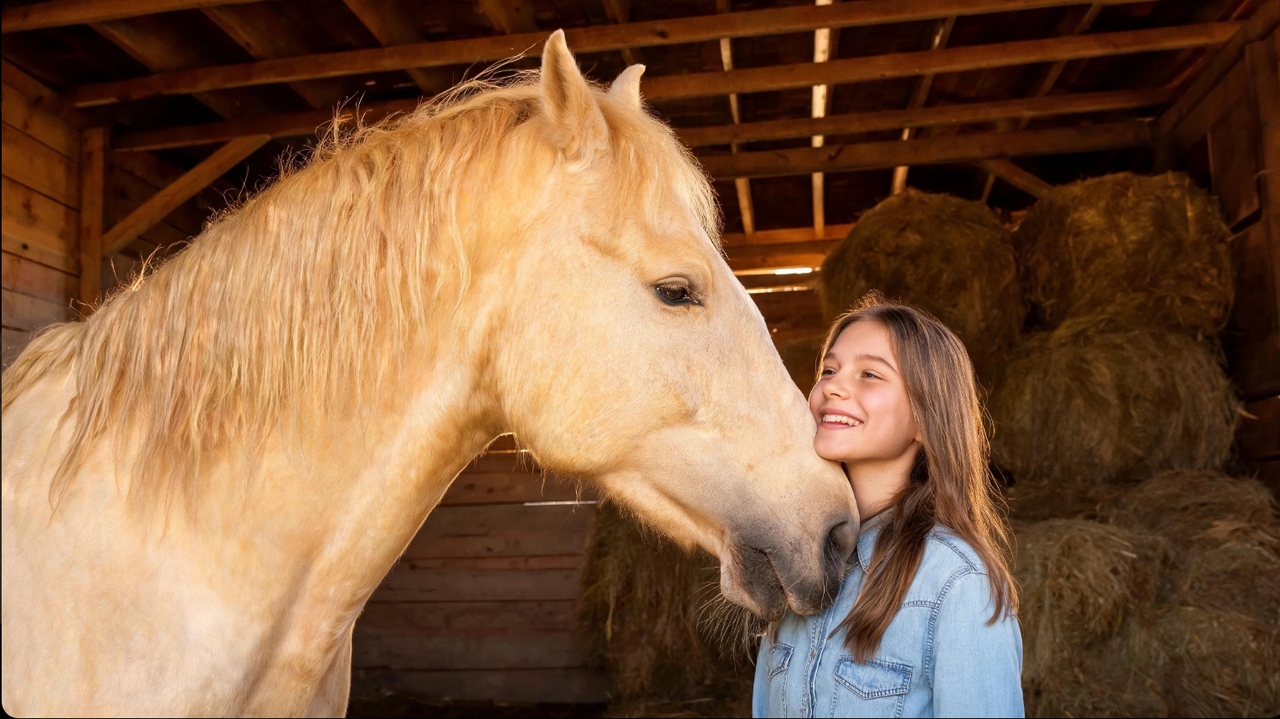
HappyHorse-1.0 creates short-form social media videos for platforms like TikTok, Instagram Reels, and YouTube Shorts, using AI prompts to generate engaging clips with realistic motion, lip-sync audio, and trending visual styles optimized for audience engagement.
- Product demos:
HappyHorse-1.0 turns written descriptions and product images into engaging video demos with AI-powered visuals, transitions between scenes, and even a voice over. It makes the job easy for businesses wishing to present their products and describe all its features with the help of an exciting demo.

- Educational videos:
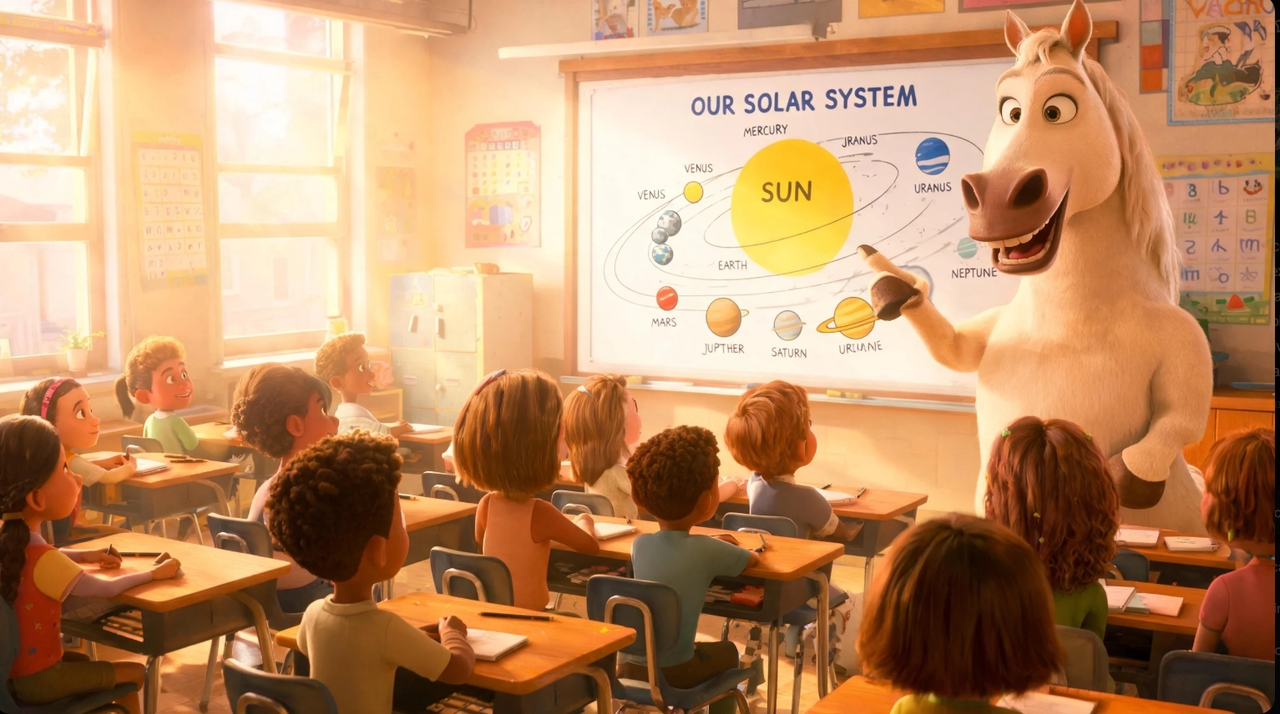
HappyHorse-1.0 supports educational content creation by converting scripts into structured AI explainer videos with animated visuals, synchronized narration, and scene-based storytelling, making complex topics easier to understand through engaging and interactive learning formats.
- Content automation workflows:
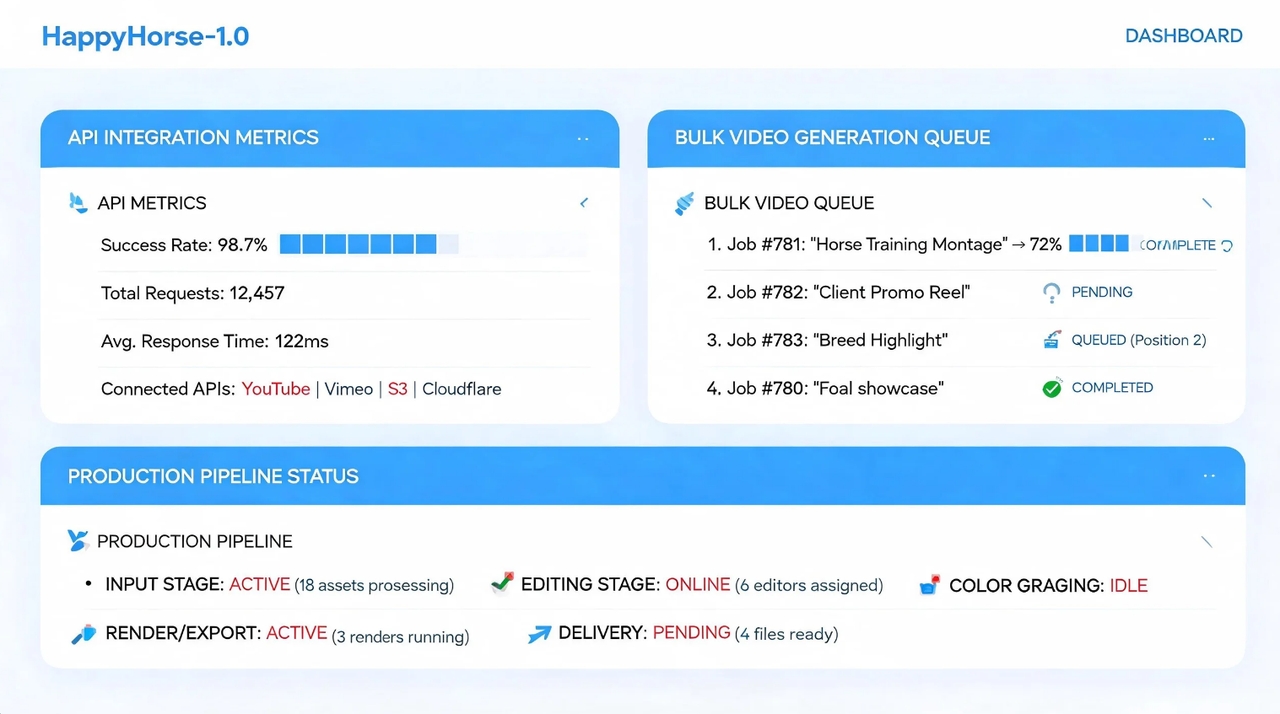
HappyHorse-1.0 enables scalable content automation workflows via API integration, allowing developers and creators to generate AI videos in bulk, streamline production pipelines, and maintain consistent output for marketing, training, and digital content distribution systems.
HappyHorse-1.0 vs other AI video models full comparison
HappyHorse-1.0 is benchmarked against Sora, Veo, Kling, and Seedance, showing stronger realism, native audio-video sync, and top preference rankings.
| Model | Strengths | Limitations | HappyHorse-1.0 Advantage |
| Sora | Long-form cinematic video, strong world simulation. | Limited native audio integration. | Better audio-video sync and short-form realism. |
| Veo | Scalable ecosystem integration, stable generation | Not always top in preference tests. | Higher visual realism and user preference scores. |
| Kling | Stable production workflows, consistent outputs. | Weaker multimodal fusion. | Stronger visual fidelity and tighter audio sync. |
| Seedance | Balanced multimodal video and audio generation. | Lower benchmark ranking. | Leads in text-to-video and image-to-video tests. |
| HappyHorse-1.0 | Unified multimodal transformer, native audio-video, 1080p output. | Short-form (5–10 sec) focus. | #1 in preference rankings with best realism and sync. |
HappyHorse-1.0 is positioned as a benchmark-leading multimodal AI video model, outperforming competitors in blind preference tests, audio-video synchronization, and unified generation quality, while other models focus more on either long-form video, editing tools, or ecosystem integration.
While HappyHorse-1.0 delivers high-quality video generation, turning that performance into consistent results requires structured workflows, better prompt control, and efficient iteration. This is where all-in-one solutions like Framia Pro help streamline and scale creative production.
How Framia Pro enhances your creative workflows
The Framia Pro system streamlines complex operations related to video models powered by artificial intelligence through prompt optimization, organization of multimodal input data, and overall improvements in the video production process. Acting as an all-in-one platform, it increases text-to-video precision, improves consistency between scenes, and guarantees good audiovisual harmony. By introducing automation into the process, it facilitates scalability in generating videos using AI techniques while ensuring consistent output quality.

Key features:
- Prompt optimization: Through Framia Pro, the prompts of HappyHorse-1.0 model are optimized according to the scenes, motions, and contextual cues of the video.
- Multi-model architecture: Unlike single-model tools, Framia Pro connects over 20+ top-tier models (including Sora 2, Kling 3.0, and Veo 3.1) plus specialized image engines like Nano Banana Pro and Midjourney v7. This allows you to pick the "best-in-class" engine for every specific shot.
- Character consistency engine: Solves the biggest pain point in AI video by allowing you to "lock in" a cast. Once you upload images of your character, the system maintains their face, clothing, and physical traits across every generated scene.
- Conversational editing & refining: Conversational editing & polishing: Avoid convoluted prompt rewrites. Enter commands such as "increase warmth in lighting" or "regenerate scene 4 with cinematic lens" to improve on-the-fly.
- Storyboard timeline editor: An advanced editing platform which allows you to arrange scenes, regenerate particular frames, and even add AI-generated audio (by ElevenLabs or Suno v5).
- The Intelligent Canvas: The ultimate design workspace for layer manipulation, resizing, and adjustment on top of your video project without using any additional design stack.
Step-by-step HappyHorse-1.0 workflow
Framia Pro enhances HappyHorse-1.0 workflows with structured prompts and automation tools.
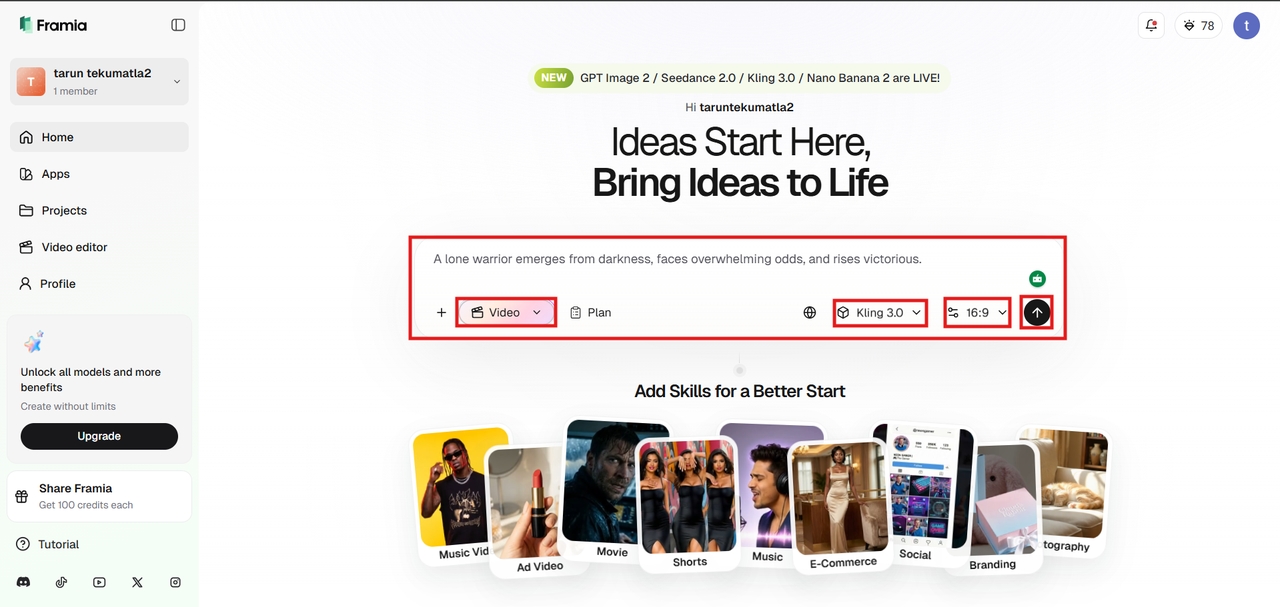
Step 1: Prompt optimization
Framia Pro refines HappyHorse-1.0 prompts into structured inputs with scene direction, motion control, model selection, aspect ratio, video duration, and generate settings for accurate cinematic output.
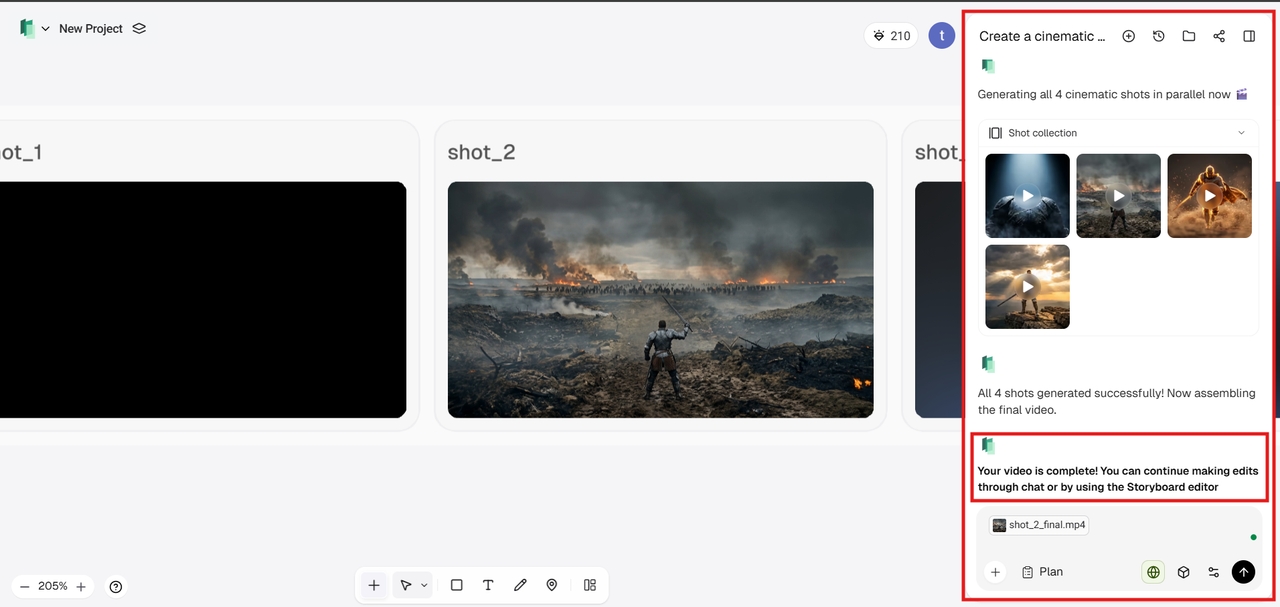
Step 2: Workflow orchestration
Framia Pro integrates HappyHorse-1.0 into multi-model workflows using editing tools, enabling parallel generation, scene refinement, and iterative control for efficient, consistent, scalable video production.
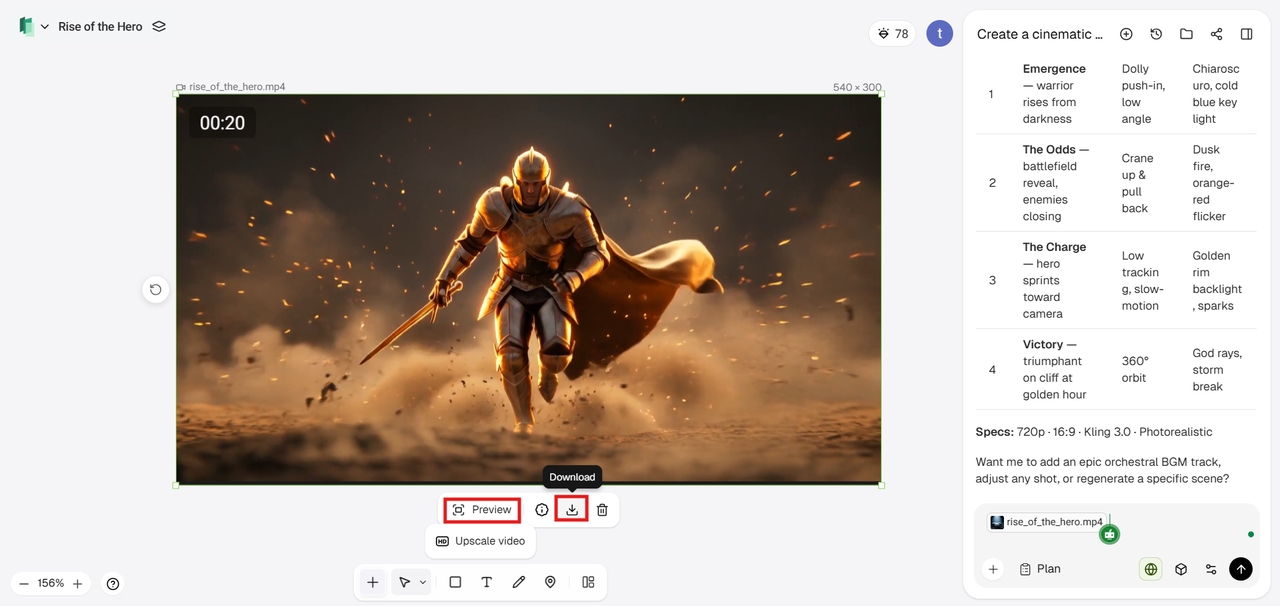
Step 3: Download and output management
Preview the generated Framia Pro HappyHorse-1.0 outputs. Download in optimized formats with optional upscaling, ensuring fast, consistent, and production-ready video delivery across platforms.
Conclusion
HappyHorse-1.0 is a video generation AI model released in 2026, designed for the purposes of text-to-video and image-to-video generation that features excellent benchmark scores and capabilities in terms of multimodality. This product is based on the credit payment model and is charged per second. Thus, it is very convenient for developers and creators. Additionally, HappyHorse-1.0 boasts high realism, AV synchronization, and outstanding benchmarking results. The integration of the Framia Pro extension can help boost the performance of the HappyHorse-1.0 model.
FAQs
- How does HappyHorse-1.0 compare with Kling AI?
Comparing HappyHorse-1.0 with Kling AI, the former outshines the latter in terms of multimodal transformer fusion, native audio-video synthesis, and visual quality scores, while Kling AI emphasizes stability and generation of long videos.
- Why is HappyHorse-1.0 highly ranked in benchmarks?
The benchmark ranking of HappyHorse-1.0 is due to its superior performance in blind preference studies, adherence to prompts, and integrated architecture that helps to ensure temporal consistency and realistic audio-video synchronization.
- Is HappyHorse-1.0 available via API access?
The HappyHorse-1.0 can be accessible through certain API endpoints that are supported by particular platforms like fal.AI and even the partner ecosystem, wherein the consumers have the ability to use credits and endpoint-based access to generate AI videos.
- What are HappyHorse-1.0's limitations?
Limitations of HappyHorse-1.0 include being able to generate short video clips (up to 5-10 seconds long), a lack of accessibility to the general public when launching, and API access only instead of a full consumer release.
- How does Framia Pro improve HappyHorse-1.0?
The workflow enhancement through Framia Pro can boost HappyHorse-1.0 in terms of prompt optimization, multi-modal orchestration, and scalability and consistency in AI video generation pipelines.