
In the competitive world of ecommerce, high-quality visuals are non-negotiable. Studies show that 90% of consumers consider product imagery crucial for online purchases. Great product photography ideas go beyond simple snaps—they tell stories, highlight features, evoke emotions, and build trust. Whether you need clean white-background shots for Amazon or eye-catching lifestyle images for Instagram, the right approach can dramatically boost conversions. This guide shares creative product photo ideas, and practical tips. Plus, discover how Framia Pro's AI image generator makes professional product imagery accessible without studio or expensive equipment.
What is product photography?
Product photography is a branch of commercial photography focused on capturing a product in a way that highlights its best features, communicates its value, and motivates potential customers to buy. It's used across e-commerce websites, social media platforms, digital ads, email campaigns, and print materials.
Unlike portrait or landscape photography, product photography demands equal attention to technical craft and creative storytelling. The subject rarely moves, yet every detail — from the angle and lighting to the background texture and props — determines whether the image converts or gets ignored.
There are two broad categories: studio product photography (controlled environment, artificial lighting, clean backgrounds) and lifestyle product photography (real-world settings, natural light, models or props that communicate context). The best brands blend both.
15 creative product photography ideas to elevate your brand
Discover 15 powerful product photography examples that can instantly boost your brand’s visual appeal and sales. From lifestyle shots to artistic compositions, these creative approaches help your products stand out, tell compelling stories, and convert viewers into customers.
- Lifestyle product photography
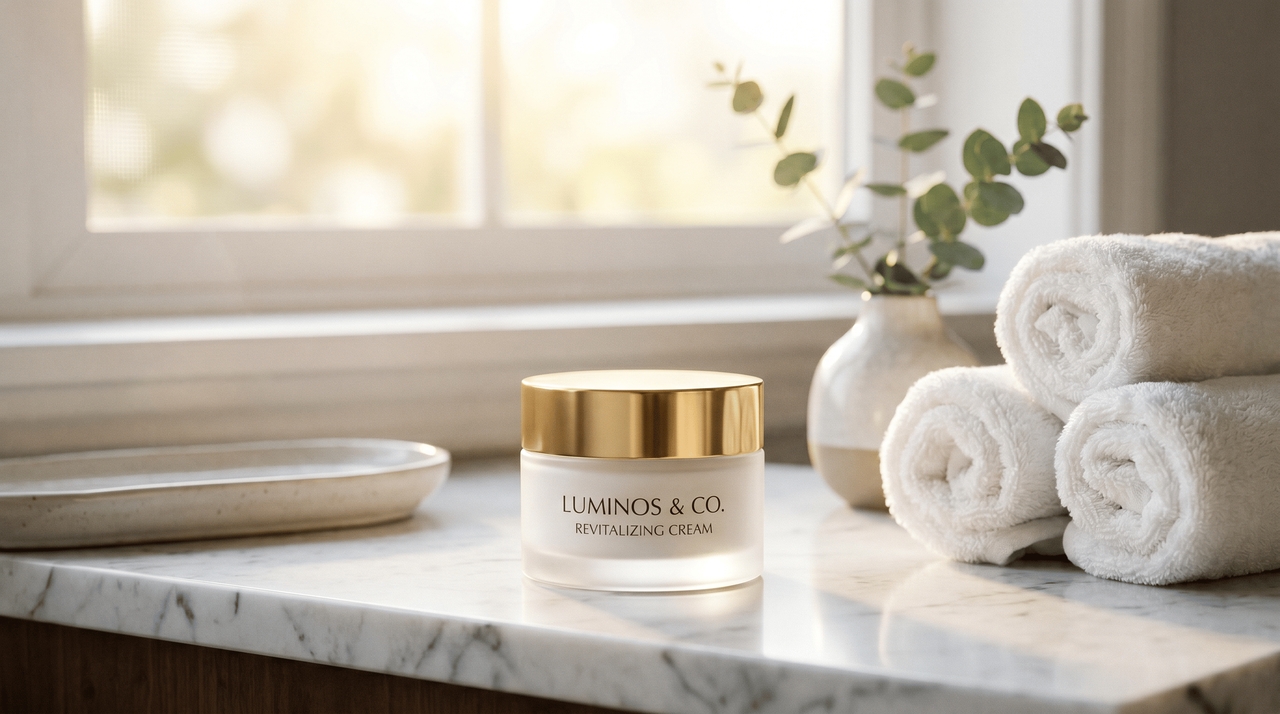
Place your products in real-life scenarios that reflect how customers would use them. A skincare jar on a marble bathroom counter with fresh towels or wireless earbuds during a morning run. This style builds emotional connections by helping buyers visualize ownership and integration into their daily routines. It’s highly effective for social media and brand storytelling.
- Clean white background
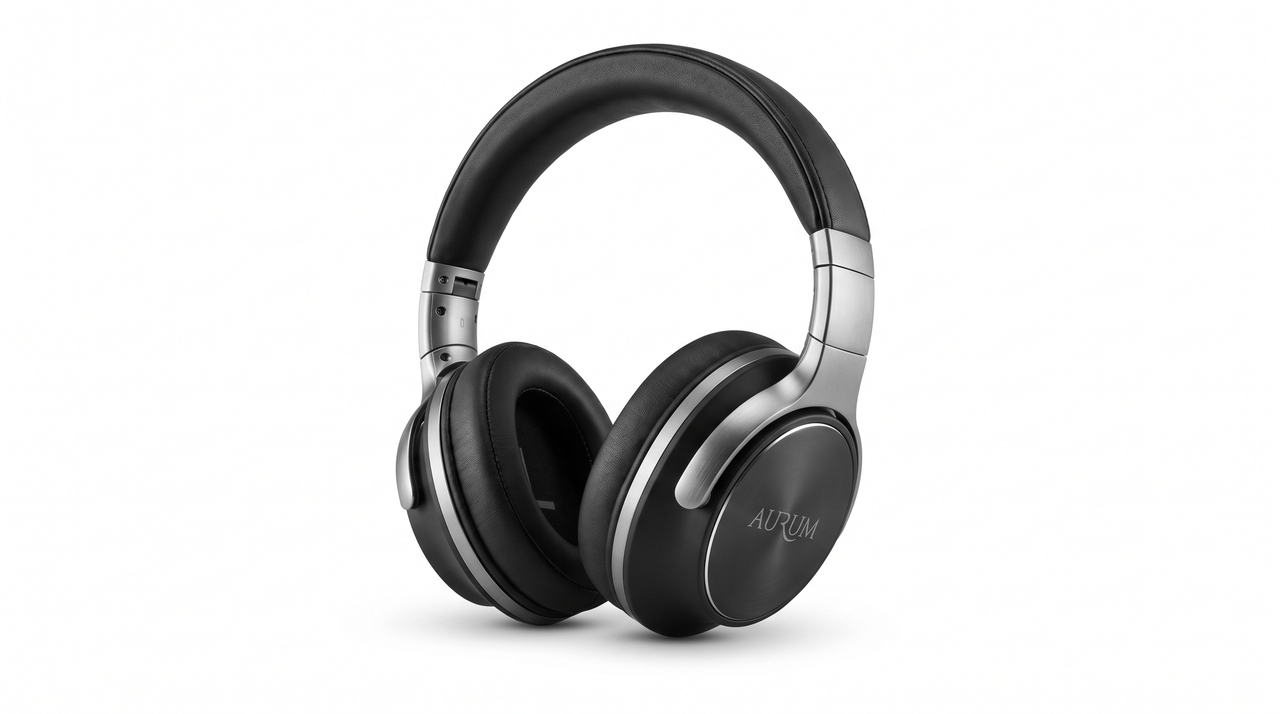
The most universally used of all product picture ideas, the white background shot strips away all distractions and puts your product front and center. It's the standard for Amazon, Etsy, and most e-commerce product detail pages — and for good reason. Clean backgrounds build trust, create catalog consistency, and meet platform listing requirements.
- Flat lay product photography
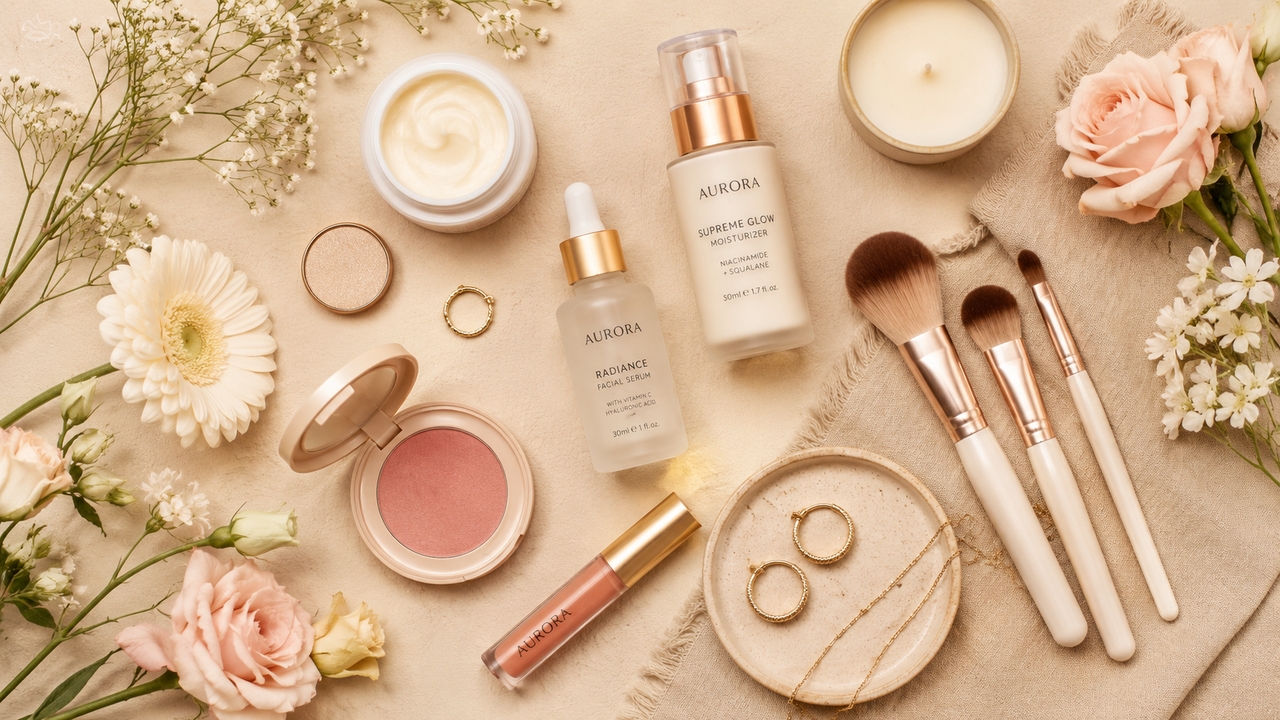
Flat lay photography involves arranging products on a flat surface and capturing them from above. This style creates visually balanced compositions that perform exceptionally well on social media platforms. Adding props, textures, and complementary colors can make the scene more engaging. Flat lays are ideal for beauty products, food items, stationery, jewelry, and lifestyle brands aiming for modern, aesthetic visuals.
- Product in-use shots
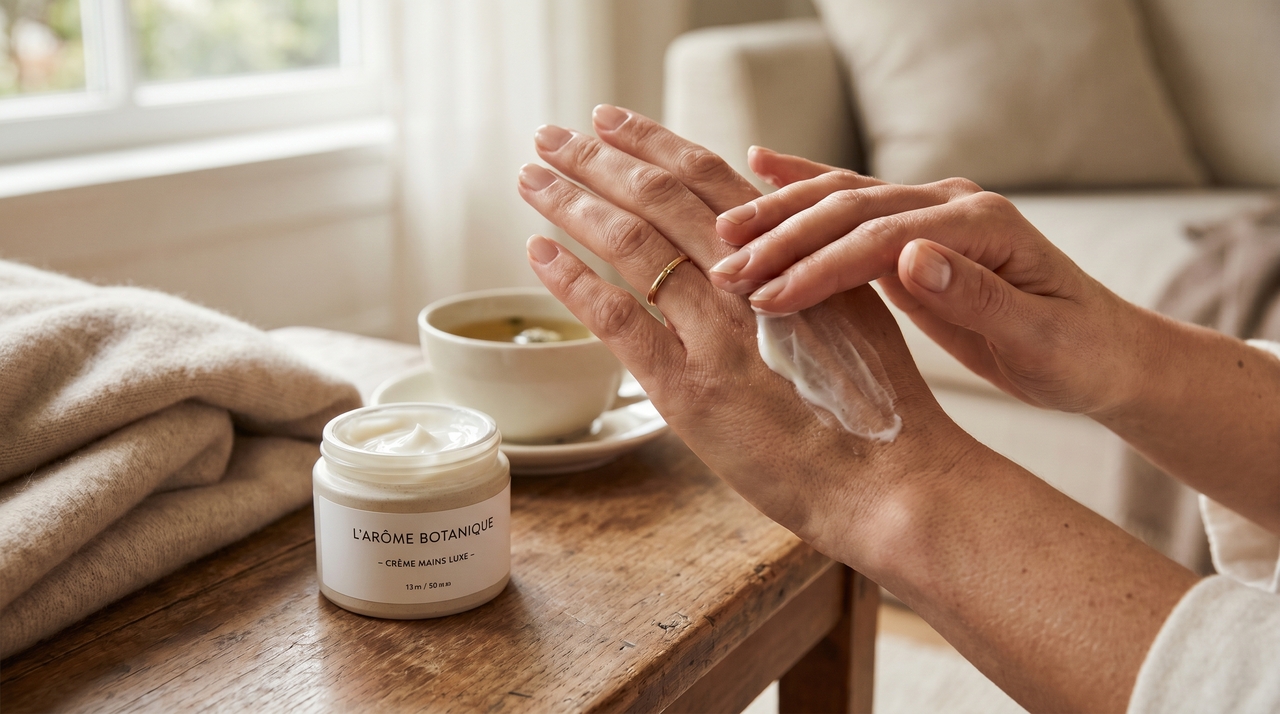
Capture the item being actively used — hands applying lotion, a bag carried over the shoulder, or a gadget in action. These images demonstrate scale, functionality, and real benefits. They help customers picture themselves using the product, increasing desire and reducing purchase hesitation.
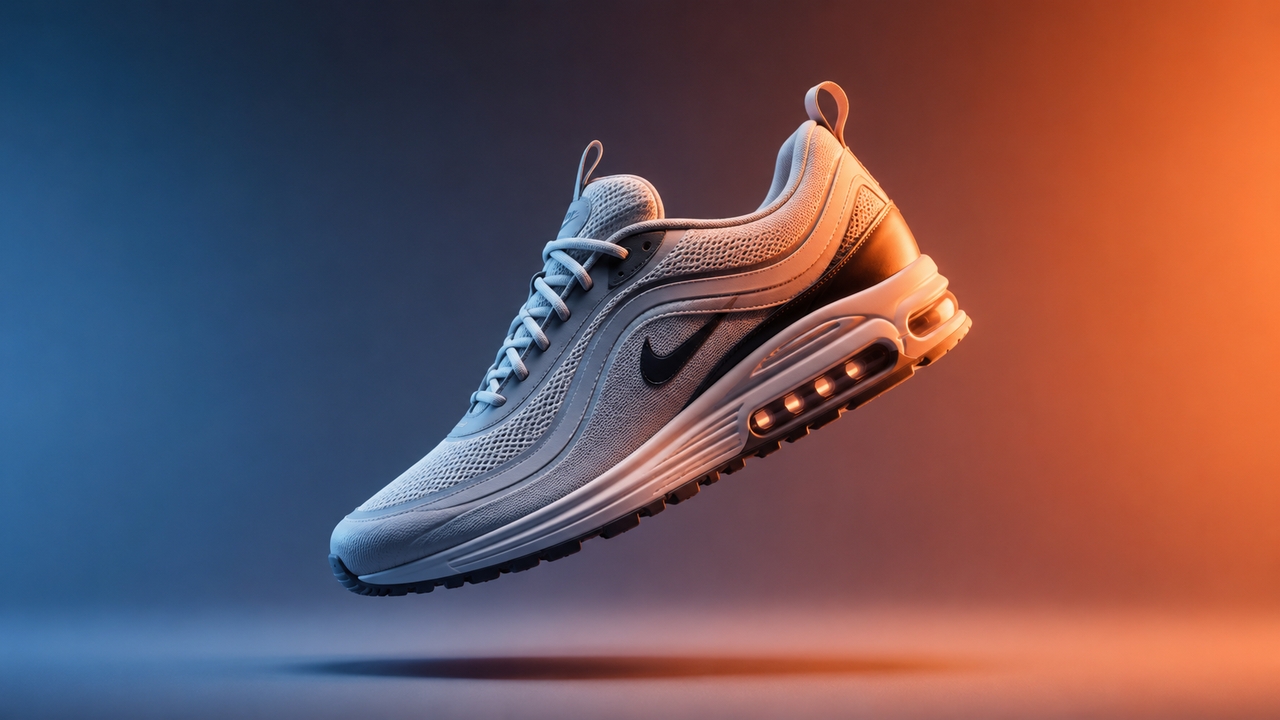
- Floating / Levitation Shots
Levitation photography gives the impression that a product is suspended mid-air without any visible support. Achieved either through suspension rigs (strings, rods) and post-production removal, or through AI image generation, the floating effect communicates lightness, innovation, and a premium feel.
This style works for nearly any product category — from packshots to food photography — and it stops scrollers cold.
- Reflection photography
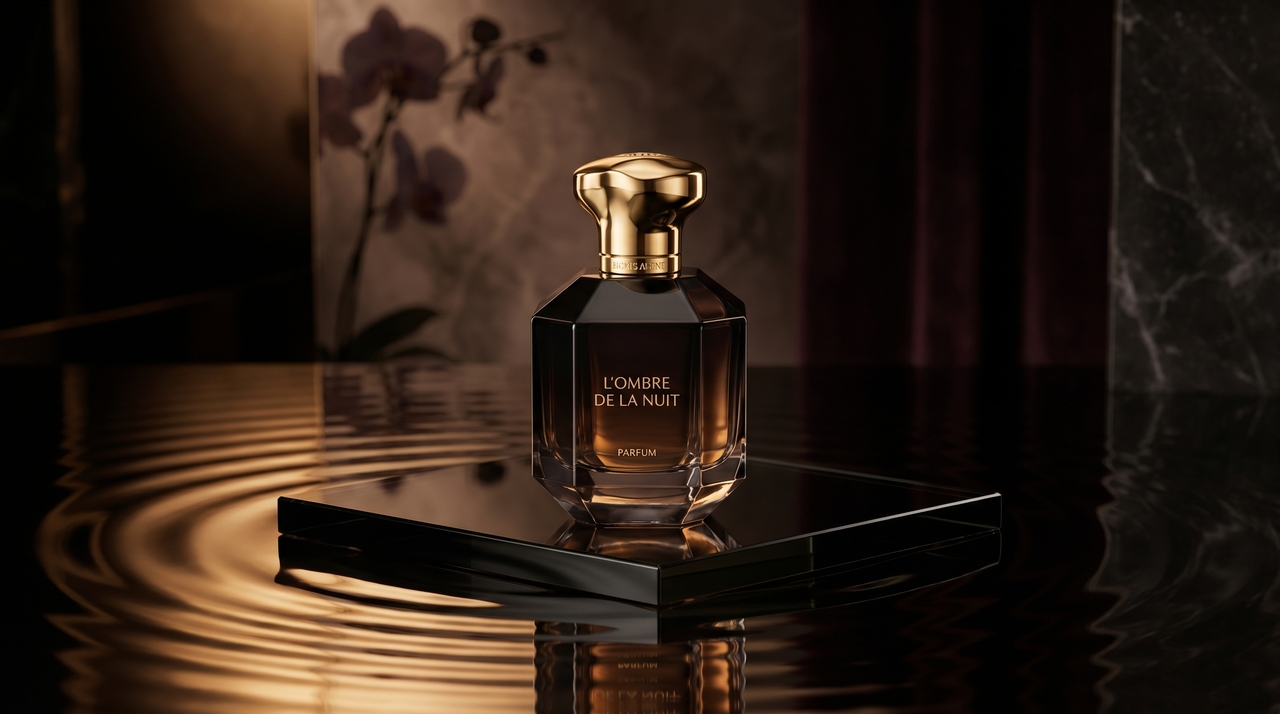
Reflection photography uses mirrors, glass surfaces, or glossy materials to create elegant and premium-looking product images. Reflections add depth, sophistication, and a luxury feel to compositions. This technique is commonly used for watches, perfumes, cosmetics, and tech products. When paired with dramatic lighting, reflective setups can transform ordinary product shots into visually striking, high-end marketing assets.
- Close-up detail shots
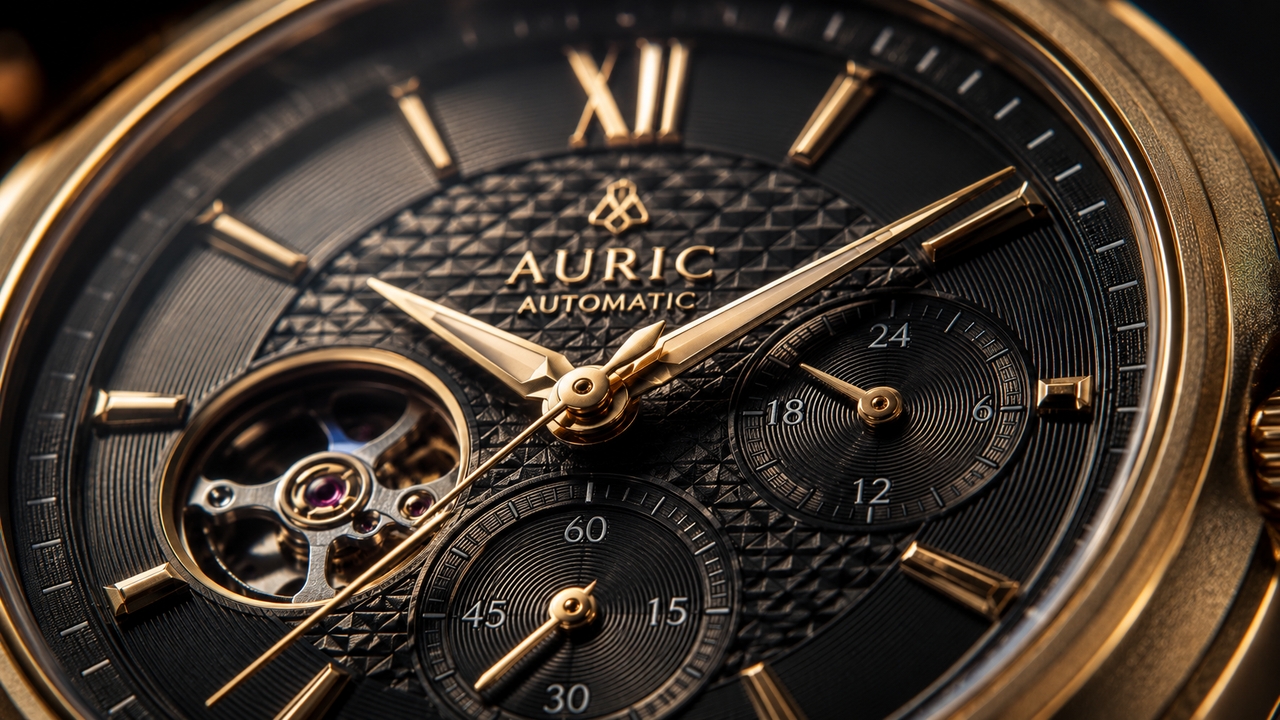
Macro photography focuses on capturing fine details, textures, and craftsmanship that customers might otherwise miss. Close-up shots are highly effective for jewelry, makeup, watches, and handmade products because they showcase quality and precision. Highlighting intricate details helps build trust and increases perceived product value. Macro photography also creates visually satisfying content that performs well across social platforms and advertisements.
- Ingredient-focused photography
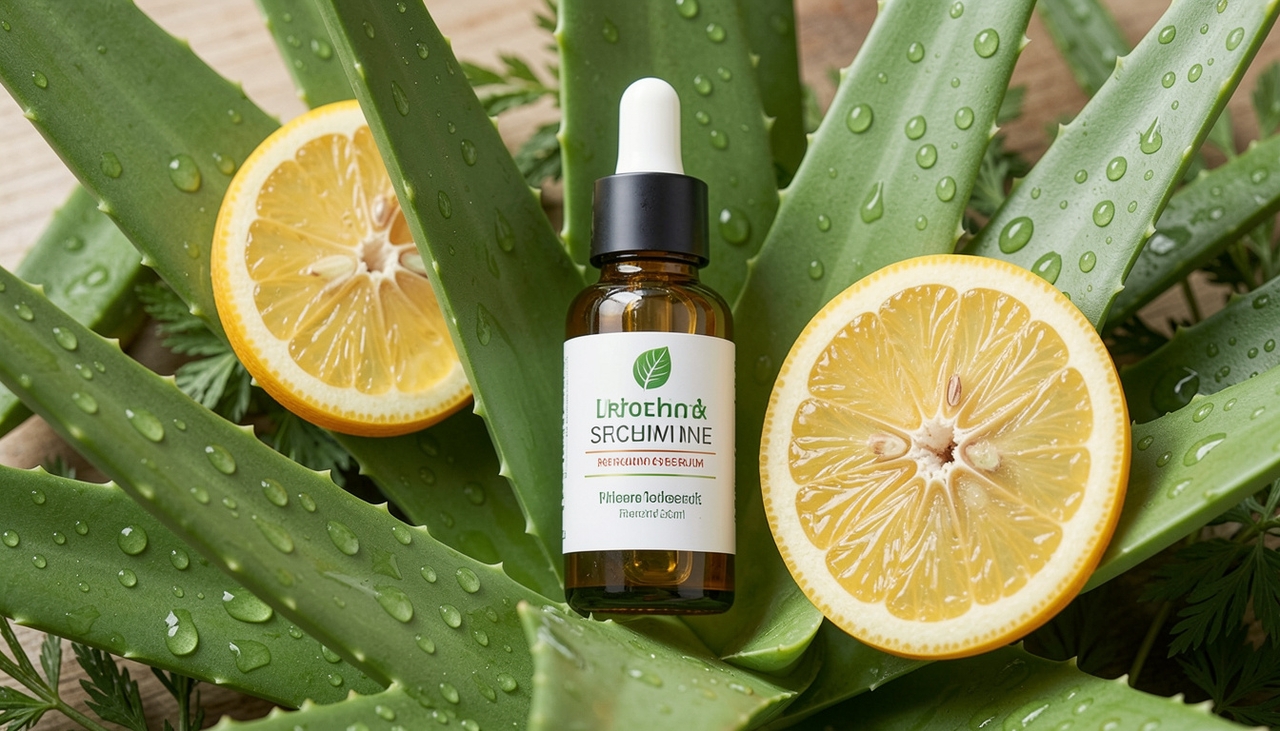
Ingredient-based photography highlights the materials or components used in a product. Skincare brands may showcase aloe vera, citrus, or flowers, while food brands display fresh ingredients around the product. This approach helps customers understand product quality and benefits instantly. Ingredient-focused visuals also create storytelling opportunities and make products feel more natural, authentic, and premium to potential buyers.
- Natural light photography
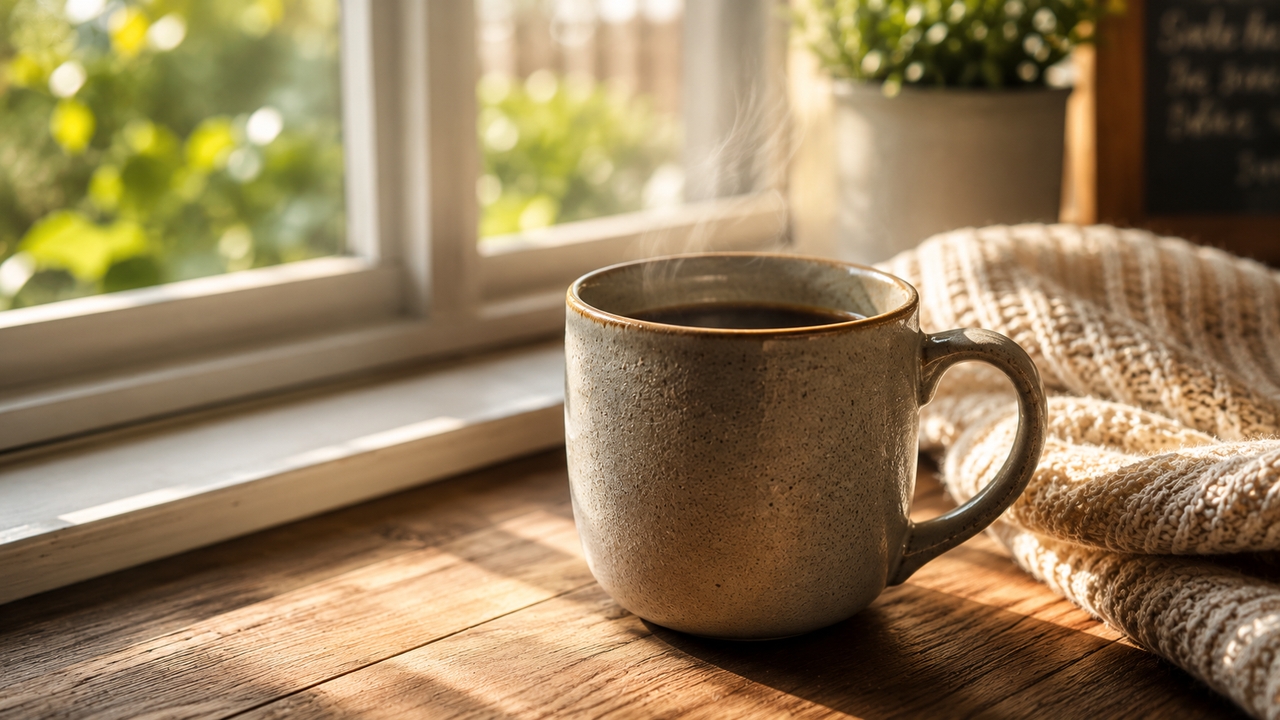
Natural lighting produces soft, authentic-looking images that feel warm and realistic. Shooting near windows or outdoors can create beautiful shadows and highlights without requiring expensive studio equipment. This photography style works especially well for organic brands, skincare products, fashion accessories, and food photography. Natural light also helps create approachable and human-centered visuals that resonate strongly with modern audiences.
- Creative & artistic backgrounds
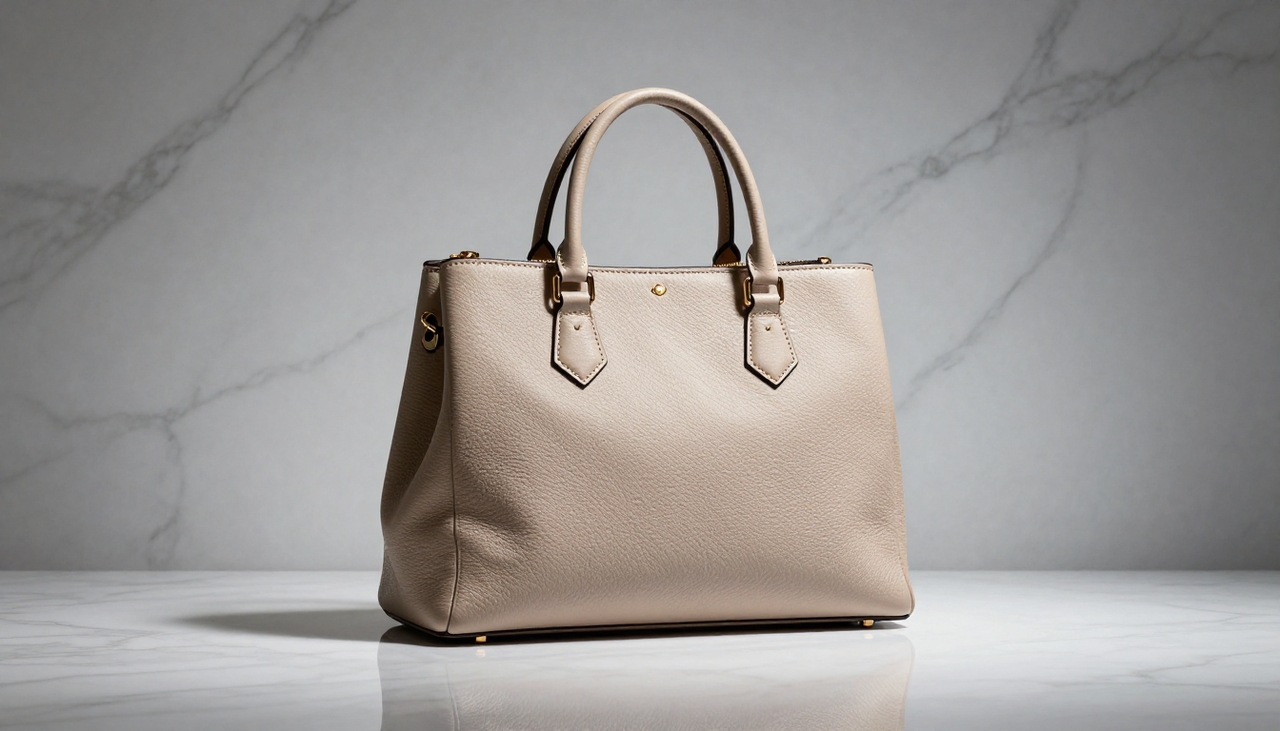
Move beyond plain backdrops by experimenting with marble, wood, textured fabric, abstract patterns, or bold colored surfaces. Matching the background to your brand personality helps create stronger visual storytelling and a more memorable aesthetic. Elegant marble creates a luxury feel, while playful colors add energy and personality. Creative backgrounds also help products stand out in crowded social media feeds, advertisements, and eCommerce marketplaces.
- Group & bundle shots
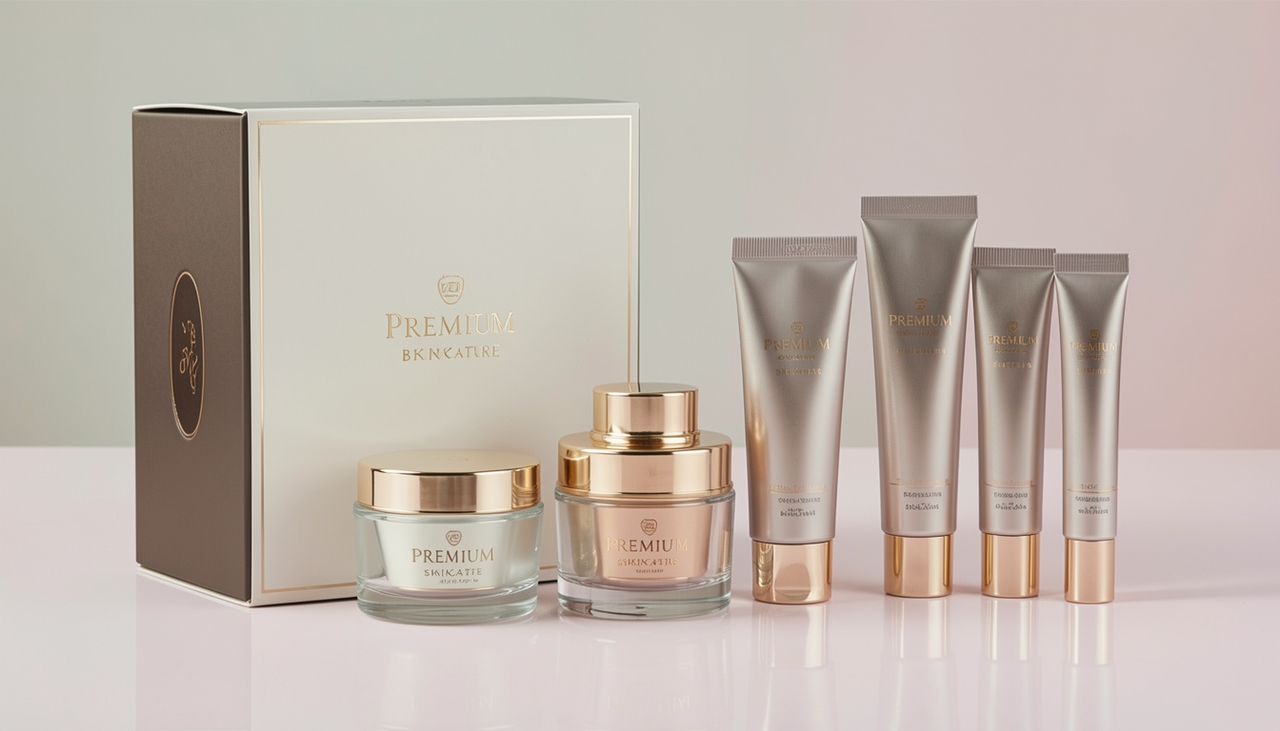
Another common product picture idea is a group shot. Displaying complete collections, bundles, or matching products together helps customers instantly understand variety, value, and product compatibility. These visuals are especially effective for gift sets, skincare routines, subscription boxes, and promotional offers. Group shots also encourage cross-selling by showing how products complement each other, making it easier for customers to visualize complete solutions or curated product experiences.
- CGI & 3D visualization
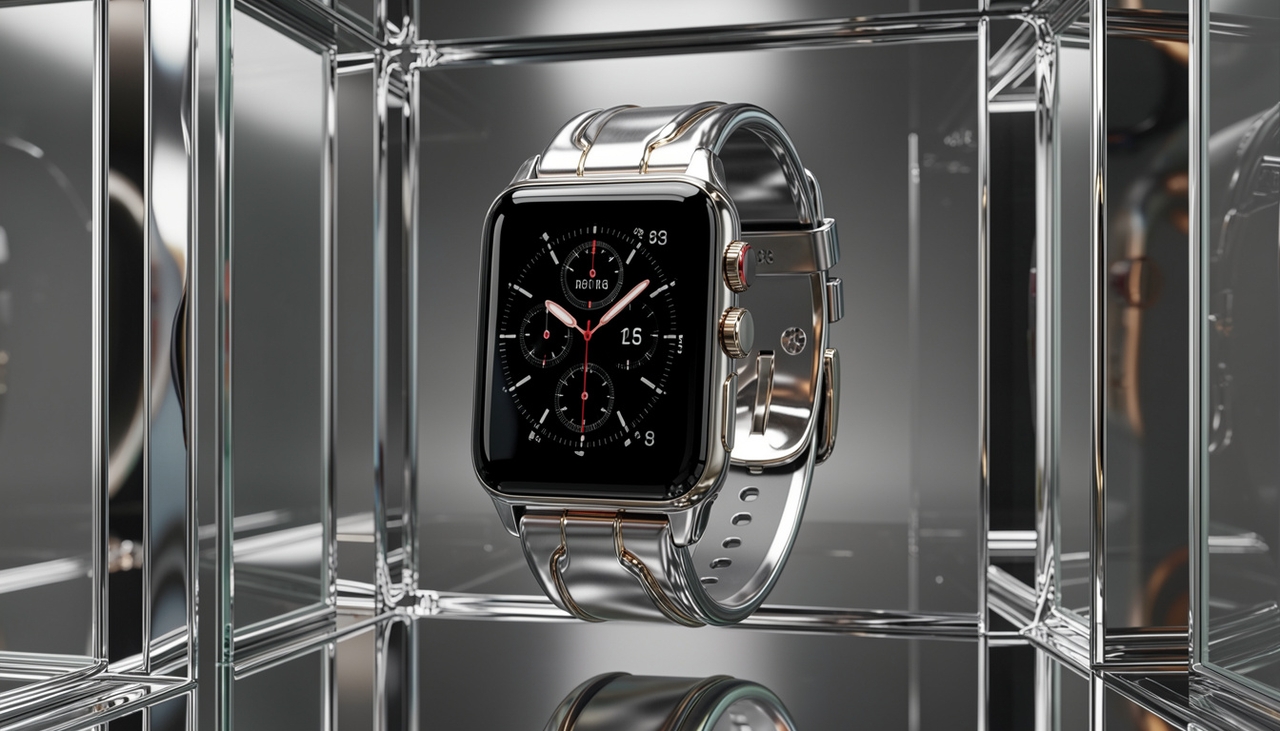
CGI (Computer-Generated Imagery) product photography uses digital 3D models rather than physical sets or cameras. The output is virtually indistinguishable from real photography — but entirely produced on a computer. Brands can show their product from any angle, in any setting, in any lighting condition, without a single physical sample.
This approach is standard in automotive, tech, and luxury fashion — and it's rapidly becoming accessible to smaller brands too. You can show a product floating in a futuristic environment, exploding into its component parts for an "exploded view," or merging seamlessly into a surreal artistic scene.
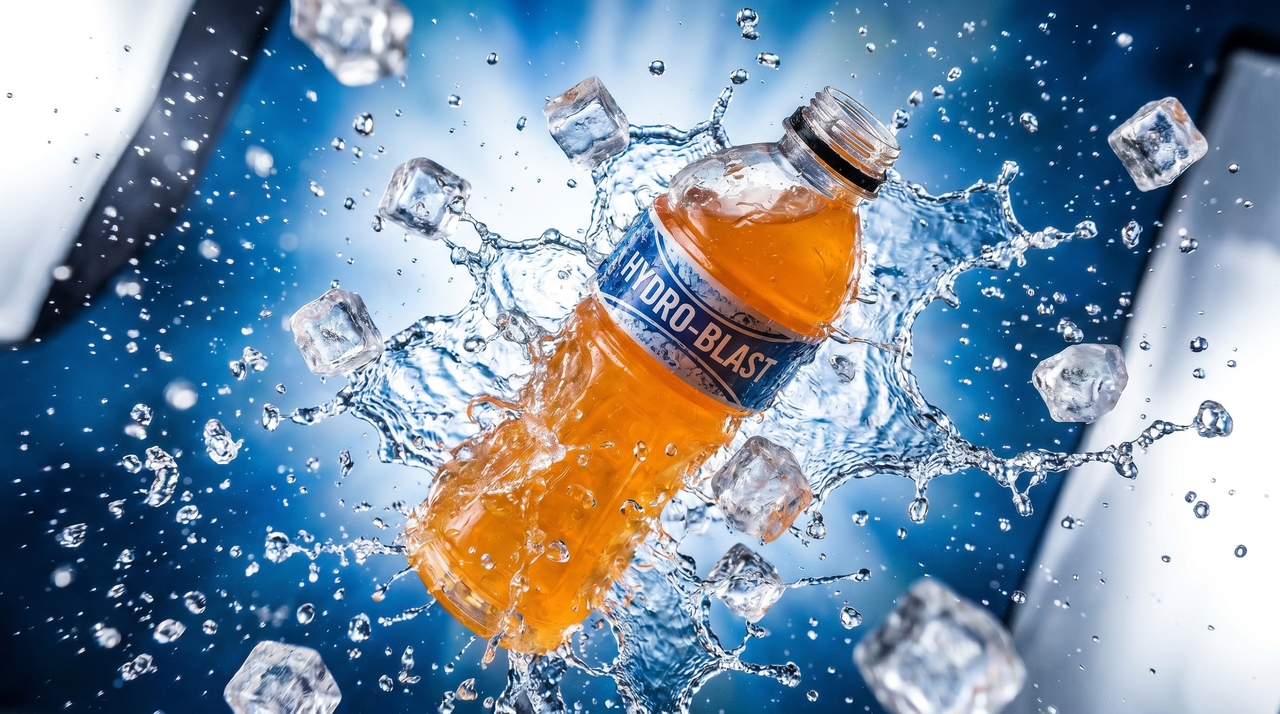
- Motion product photography
Motion photography introduces movement into product shots to create dynamic and attention-grabbing visuals. Splashing liquids, flying ingredients, drifting fabrics, or falling objects can make images feel alive and exciting. Motion effects are especially popular in beverage, beauty, and sports product campaigns. This style adds energy to marketing visuals and helps products stand out in crowded social media feeds and advertisements.
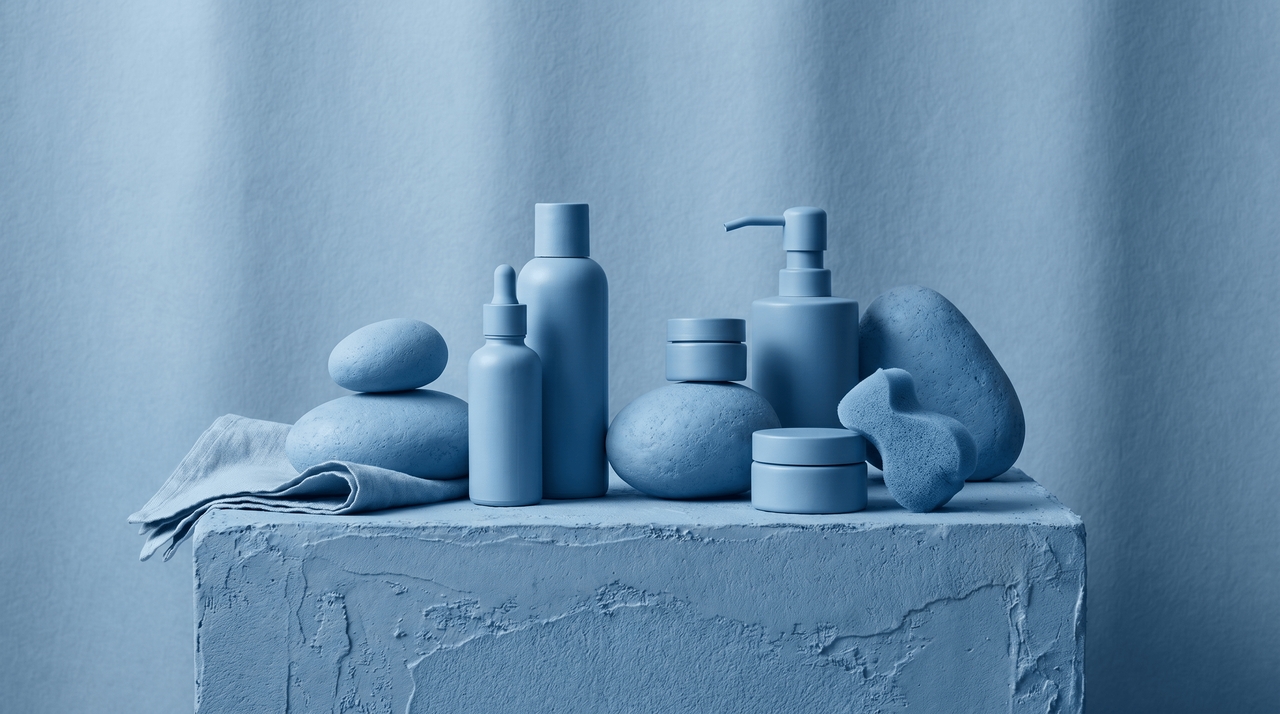
- Monochromatic photography
Monochromatic photography uses different shades of the same color to create cohesive and stylish visuals. This approach gives product images a clean and modern appearance while strengthening brand identity. Monochromatic setups work especially well for minimalist brands and social media feeds that prioritize visual consistency. The technique helps products stand out subtly without relying on overly complex backgrounds or props.
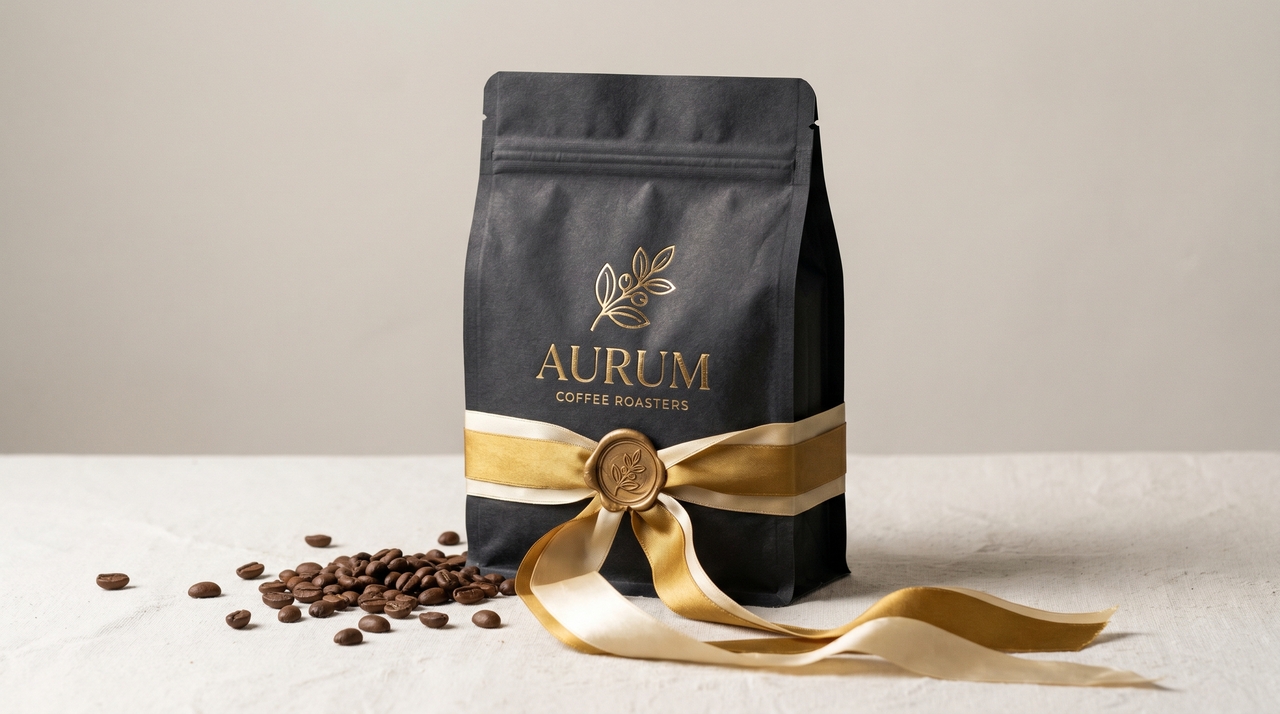
- Packaging-focused photography
Packaging photography highlights the design, texture, and branding of your product packaging to create a strong visual identity. Well-designed packaging can instantly communicate quality, luxury, sustainability, or creativity. Showcase boxes, labels, wrapping details, and unboxing experiences to make products feel more premium and gift-worthy. This style works especially well for cosmetics, food products, candles, fashion accessories, and subscription brands looking to strengthen customer perception and brand recognition.
Create professional product photos with Framia Pro
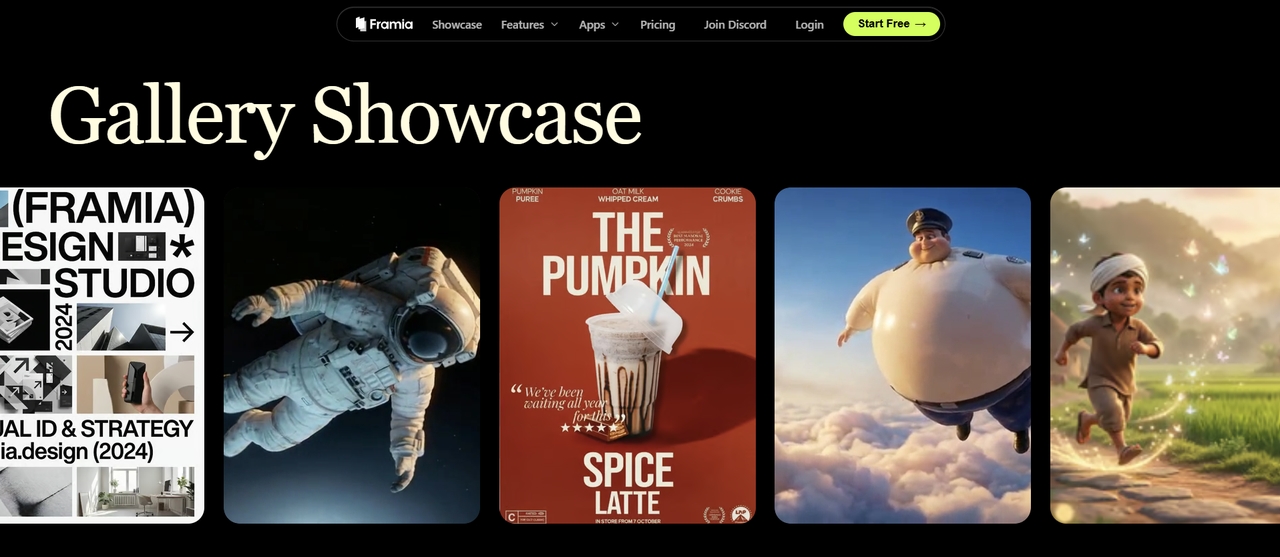
Great product photography ideas are only half the equation — execution is where most brands get stuck. Studio bookings, photographer fees, and long turnaround times make consistent, high-quality visuals feel out of reach. Framia Pro's AI product image generator removes every one of those barriers. It's an AI-powered creative platform that works as an intelligent agent, connecting world-class image models — including Nano Banana Pro, Midjourney v7, Flux Max, and Seedream 5.0 — on a single interactive canvas. Upload your product, describe the look you want, and Framia's dedicated Photography Skills and E-commerce Skills agents generate studio-quality images in minutes, no equipment required.
From clean white-background shots to lifestyle scenes, creative compositions, and high-detail product visuals, Framia Pro helps brands create consistent, high-converting product photography at scale.
Key features of Framia Pro product photography
- E-commerce & photography skills: Framia Pro's dedicated Photography Skills and E-commerce Skills agents are purpose-built for product imagery. Upload your product, describe the setting, and the agent generates professional-grade shots — white backgrounds, lifestyle scenes, moody lighting, flat lays — all optimized for commercial use.
- World-class image models under one subscription: Framia Pro gives you access to Nano Banana Pro (premium quality), Nano Banana 2 (speed + quality), Midjourney v7 (artistic visuals), Flux Max, Seedream 5.0, and more — without juggling multiple tools or subscriptions. One plan. 20+ models.
- From still images to video: Once you have the perfect product image, Framia Pro's video agents (Veo 3.1, Sora 2, Kling 3.0, Seedance 2.0) can bring it to life as a campaign video, a social media ad, or an animated product reveal — with character-consistent motion throughout.
- Ultra 4K upscaling: Transform standard AI generations into high-resolution, professional-grade assets. The built-in 4K upscaler ensures your images are crisp enough for large-format advertisements, high-end web stores, and print media.
- Character and asset consistency: Framia Pro's consistency engine allows you to "lock in" your product’s appearance. This ensures that across dozens of different shots and environments, your product remains visually identical, maintaining brand integrity.
Steps to generate creative product images with Framia Pro
Creating the best product images has never been easier. Follow these simple steps to turn your product into scroll-stopping visuals in minutes.
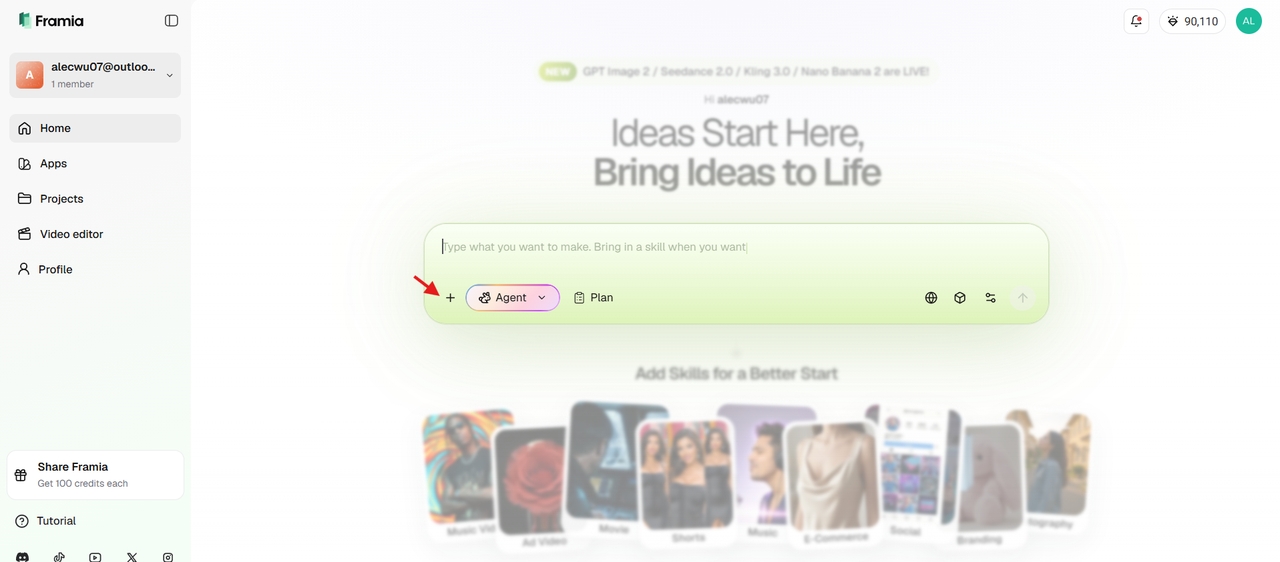
Step 1: Upload your product
Log into your Framia Pro account. Once inside, open a new canvas to begin your project. Upload a clear photo of your product or start from scratch. You can also simply describe your product in detail if you don’t have images yet
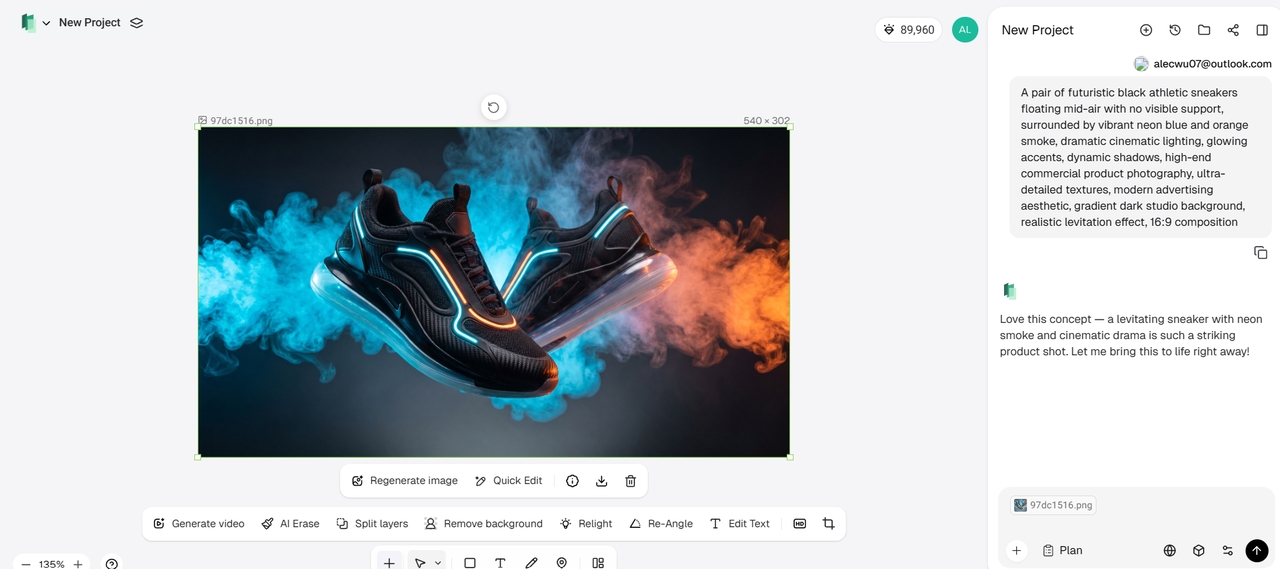
Step 2: Describe your vision and choose a model Tell Framia Pro exactly what you want using natural language. For example: "Place this skincare bottle on a marble bathroom counter with morning sunlight and fresh eucalyptus leaves, lifestyle product photography, premium feel." Select your preferred model (Nano Banana 2, Flux Max, etc.)
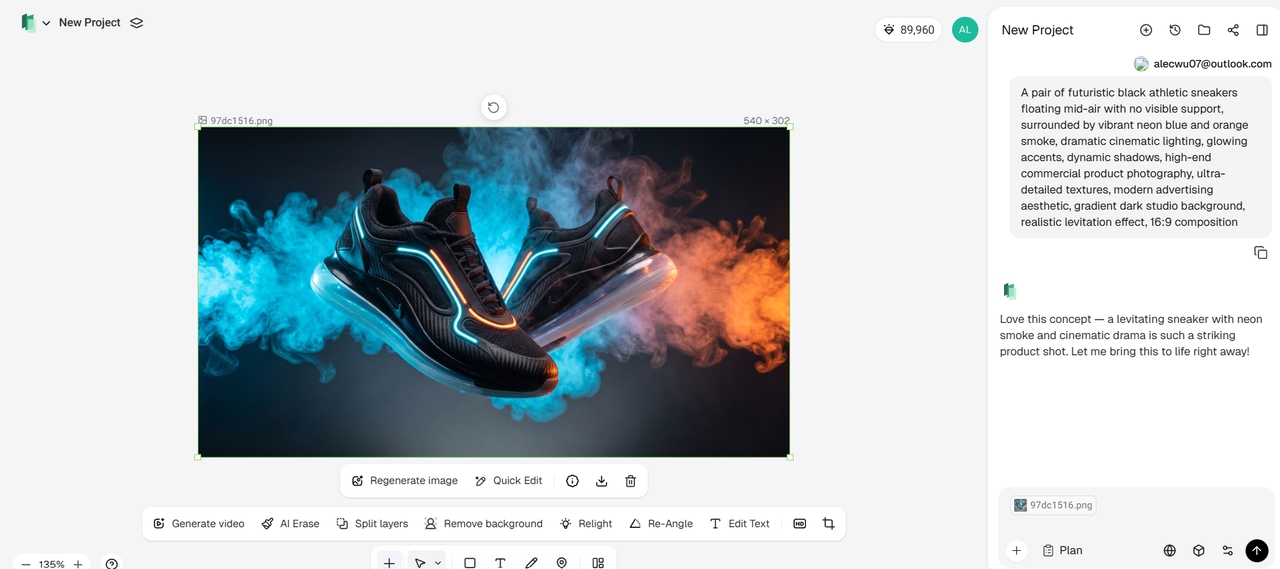
Step 3: Generate and refine Hit "Generate" and get multiple high-quality variations instantly. Use intelligent canvas to make changes. Add or remove elements, adjust lighting, change backgrounds, or edit with layers until the image perfectly matches your brand.
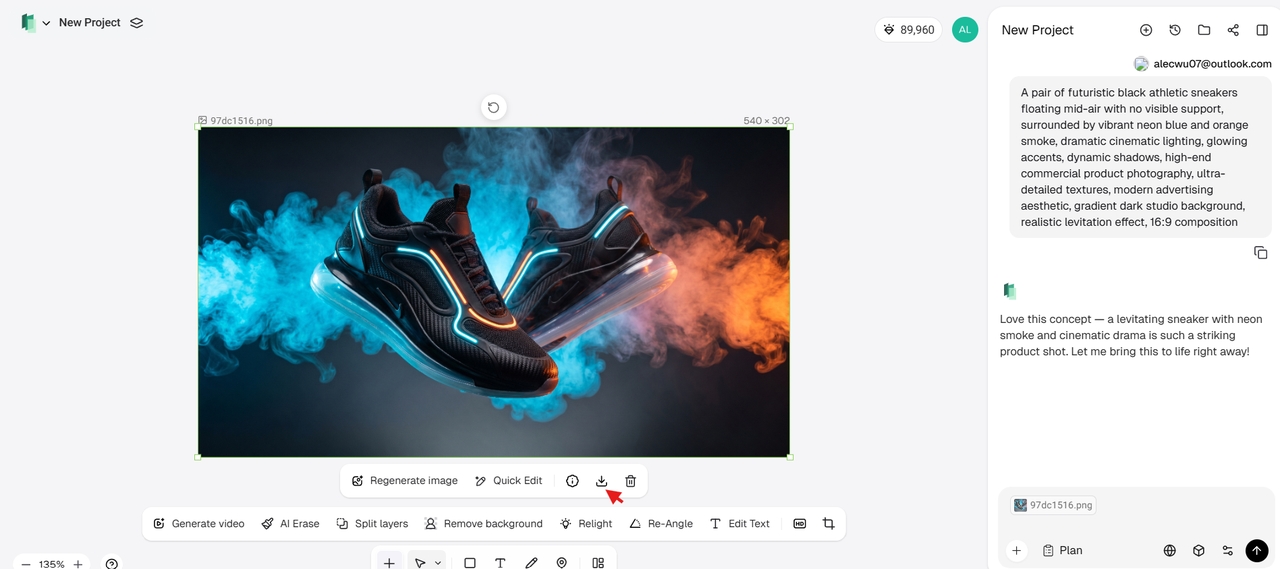
Step 4: Download and export
Once satisfied, click the download icon to save it in high resolution. Export optimized versions for Amazon, Instagram, Shopify, or ads.
Tips for better product photography
Want to take your product images from average to outstanding? These essential tips will help you create more professional, engaging, and conversion-driven photos that truly showcase your products.
- Master your lighting: Good lighting makes or breaks product photos. Use soft, diffused light to avoid harsh shadows. Natural window light or softbox setups create dimension and highlight product details beautifully.
- Keep consistent branding: Maintain the same style, angles, background, and color tone across all images. Brand consistency builds trust and creates a professional catalog that strengthens your visual identity.
- Focus on composition & angles: Use the rule of thirds and shoot from multiple angles. Include close-ups for details and full shots for context. Clean composition helps customers understand the product quickly.
- Choose the right background: Select backgrounds that complement rather than distract. Clean white for marketplaces, lifestyle settings for storytelling, and textured surfaces for premium feel. Match background to your brand vibe.
- Pay attention to details: Clean every product thoroughly. Remove dust, fingerprints, or loose threads. Small imperfections become obvious in high-resolution photos and can reduce perceived product quality.
Conclusion
Mastering product photography is a blend of creative experimentation and the right technical tools. By implementing these 15 diverse photography ideas—from the tactile detail of macro shots to the high-energy appeal of dynamic water splashes—you can transform your brand’s visual narrative and build deeper trust with your audience. However, great imagery no longer requires a massive budget or a physical studio. With powerful AI tools like Framia Pro, creating professional-grade product photos has become faster, easier, and more affordable than ever. Embrace these tips to capture attention in a crowded marketplace and turn casual browsers into loyal customers with professional, high-impact visuals.
FAQs
- Why is product photography important?
High-quality product photography helps brands create strong first impressions, improve credibility, and increase conversions. Professional visuals also help customers better understand products, making them more confident when making purchasing decisions online.
- Do I need expensive equipment for product photography?
Not necessarily. A modern smartphone with good natural light and a simple backdrop can produce strong results for small brands. Alternatively, AI tools like Framia Pro generate professional-quality product images entirely from prompts — no camera or equipment needed.
- How can I make my product photos stand out?
Use creative angles, interesting backgrounds, props, or levitation effects. Focus on storytelling, maintain brand consistency, and highlight unique features. High-resolution images with proper lighting help your products look premium.
- How many product photos do I need per listing?
Most e-commerce experts recommend at least five to eight images per product: a hero front shot, multiple angles, a detail close-up, a lifestyle shot, and a packaging or scale reference image. More angles reduce return rates and improve buyer confidence.
- What lighting works best for product photography?
Soft natural light or diffused studio lighting works best for most products. Proper lighting helps highlight textures, colors, and details while reducing harsh shadows and creating balanced, professional-looking product images.